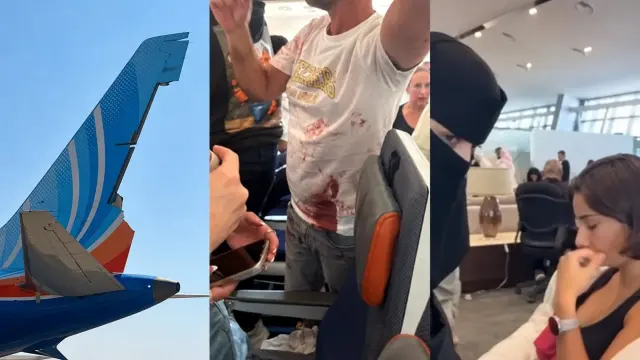
A flydubai flight from Dubai to Tel Aviv turned into every flyer's worst scenario when officials say the co-pilot stabbed his captain and apparently tried to bring the Boeing 737 down over northwestern Saudi Arabia. Passengers and the injured captain managed to subdue him, and the plane made an emergency landing at Tabuk in Saudi Arabia. The captain, India's Smit Machchhar, was hospitalised and is now out of danger, and has been praised as a hero by his country's prime minister.
The case has reopened old questions about who is protecting the flight deck from the people inside it. Israeli Prime Minister Benjamin Netanyahu described it as a prevented 9/11-style crash and later claimed the co-pilot, reportedly an Omani national, had undergone Islamist radical indoctrination. The UAE has opened an investigation into a possible terrorist link. What weapon was used remains unclear, though some reports point to the small emergency crash axe carried in every cockpit.
Here's the part most passengers don't realise: pilots go through the same security as everyone else. They queue through passenger checkpoints or dedicated crew lanes, pass metal detectors and have their cabin bags X-rayed, precisely so that signs of intoxication or unusual behaviour get flagged. Neither Dubai's heavily trafficked hub airport nor Israel's long-standing vigilance on flights since the 1970s hijacking wave stopped whatever reached the cockpit that day.
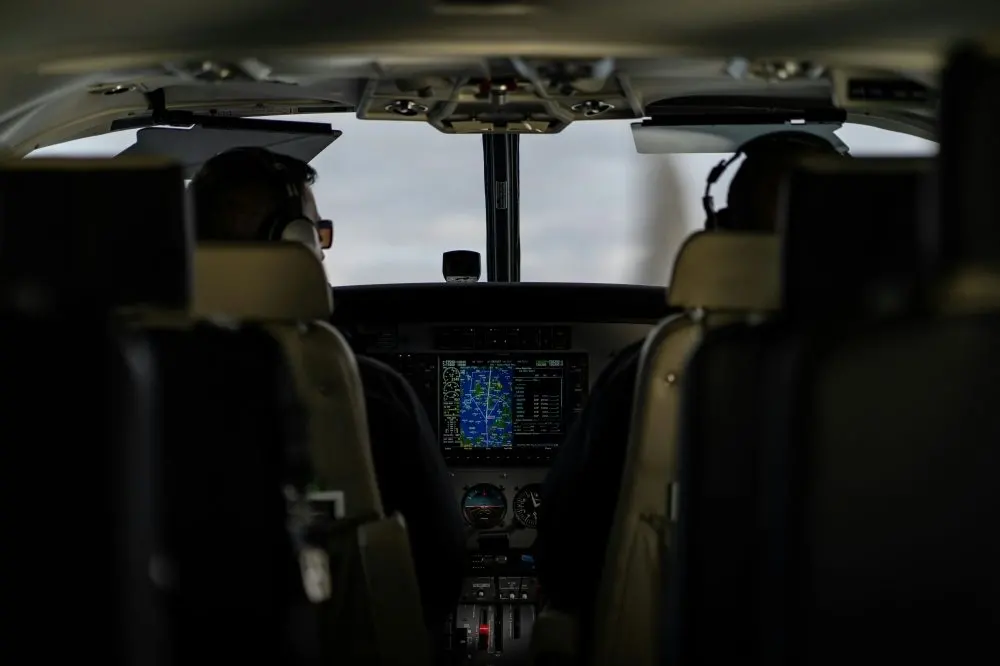
Cockpit doors themselves were heavily reinforced after September 11, and crews can lock them instantly when warned of trouble. This incident was different in the rarest possible way: the threat was already inside. Early accounts suggest the captain kept control of the door and alerted colleagues, which is likely why the flight ended with a landing rather than a catastrophe.
The hardest question is crew mental health and vetting. Since the 2015 Germanwings crash in the French Alps, where a pilot with concealed depression deliberately flew 150 people to their deaths, airlines worldwide have been pushed to monitor crew psychological wellbeing more closely. They rarely discuss the details, citing confidentiality, so travellers are largely asked to trust the system. In the flydubai case, many questions are still unanswered.
Should this change how you travel? Statistically, no. Attacks from inside the cockpit are extraordinarily rare, and the fact this one ended with everyone walking away shows the layers of defence, flawed as they are, can work. If you're flying the Dubai-Tel Aviv route or anywhere in the region, the practical takeaway is simply to stay aware of cabin announcements during any unusual diversion, and know that emergency landings like the one at Tabuk are well-practised procedures rather than improvisation.