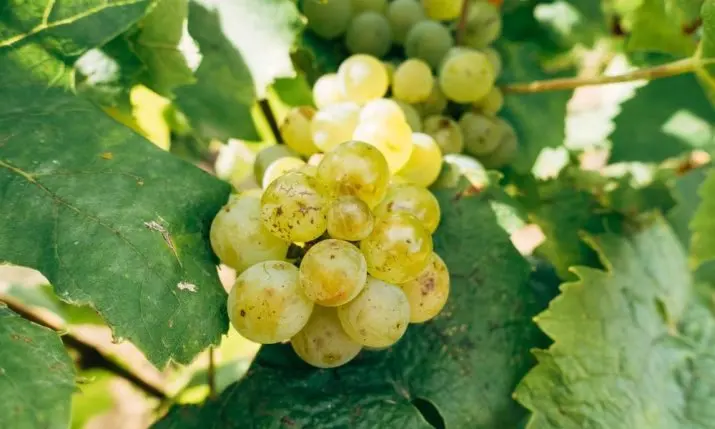
Croatia's wine country has a problem it can't spray away. Flavescence dorée — grapevine yellows — has now reached vineyards in 14 counties, and unlike hail or drought damage, there's no recovery once a vine is infected. There is no cure; sick vines have to be dug out and destroyed to stop the spread, which is carried by the American grapevine leafhopper.
The damage is most visible in the north and north-west of the country, especially Hrvatsko Zagorje, the rolling hills just north of Zagreb. Growers there are reporting serious losses. One winegrower near Klanjec told Croatian public broadcaster HRT he had to remove around 10,000 infected vines — a huge hit for a family operation.
The numbers behind the outbreak are sobering. Croatia has lost 22.3% of its total vineyard area since 2017, and the disease compounds longer-term pressures on an industry dominated by small family growers. Abandoned and neglected vineyards are part of the problem: the leafhopper thrives in unkempt plots and then moves into neighbouring cared-for vineyards. The Ministry of Agriculture has logged roughly 3,700 neglected parcels covering about 570 hectares, and is drafting measures that would let local authorities clear them, alongside a new Plant Health Act.
Money and seedlings are starting to flow. Krapina-Zagorje County is giving away vine seedlings for free, with 25,000 new plants planned this year, and the ministry has earmarked €800,000 in its current programme to tackle the outbreak.
Why should a traveller care? Zagorje isn't a headline wine region like Istria or Dalmatia, but it's classic weekend territory for Zagreb locals — cellar doors serving white varieties in a landscape of hilltop castles and thermal spas. Fewer vines means less local wine in the glass and slower replanting for years to come. It's also a reminder, if you're visiting any Croatian wine region, to buy directly from working producers: small family vineyards are the backbone here, and they're the ones absorbing losses. The disease is a Europe-wide viticultural issue, not a Croatian one, but with vineyard area shrinking fast, the growers who stay in business deserve the support more than ever.