There's a new reason to spend an afternoon in a supermarket. Condé Nast Traveler has named grocery store tourism among the hottest travel trends for 2026, and TikTok agrees — over 50 million posts now feature travellers wandering foreign aisles. It makes sense: a grocery store tells you what a place actually eats, what grows there, and what locals grab on a Tuesday night. No menu, no markup, just real life.
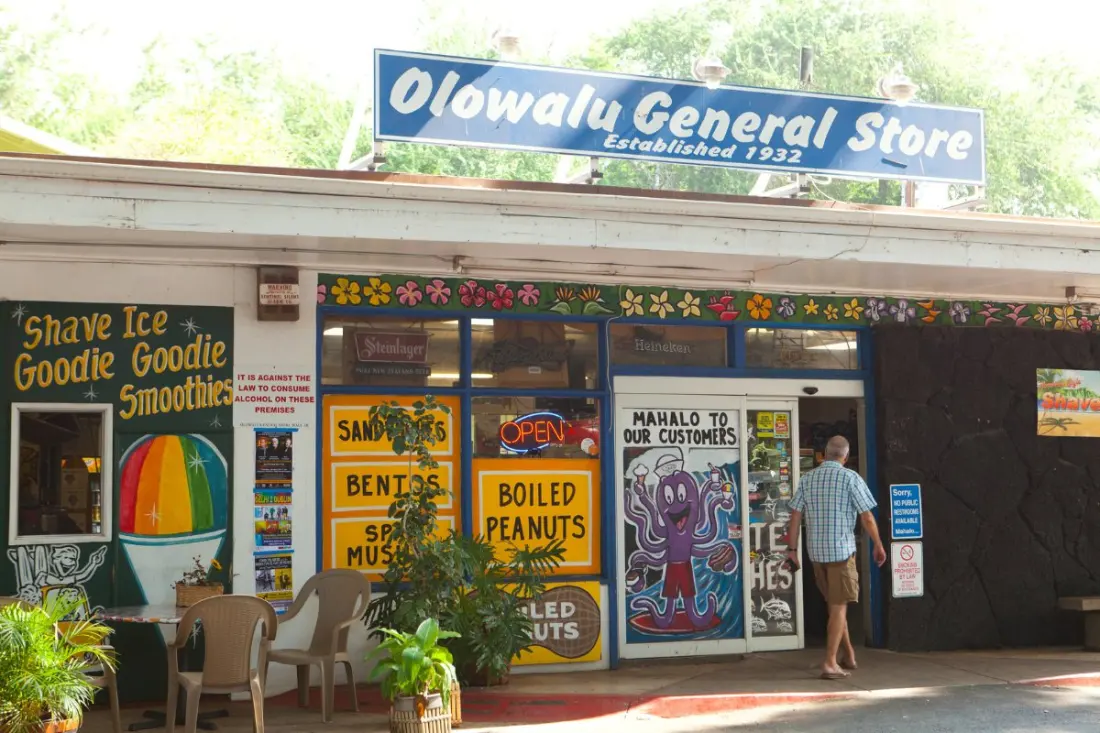
Hawaiʻi is arguably the best place in America to try it, thanks to a crop of old family-run general stores that doubled as time capsules of the islands' plantation era. Maui alone has several. Olowalu General Store has fed drivers heading to the West Side since 1932 — its red hot dogs and Spam musubi are the draw, plus butter mochi and boiled peanuts for the road. In Upcountry Maui, Pukalani Superette has anchored the same corner for 60 years (the Tanizaki family's retail roots go back to a 1927 fire in Wailuku) and is beloved for grab-and-go bentos, chow fun and a signature chili chicken. Out in remote Hāna, the fourth-generation Hasegawa General Store has been running since 1910 and sells everything from wine to hardware, with "Uniquely Hāna" tagged products you can't buy anywhere else.
The Big Island and Kauaʻi have their own institutions. KTA Super Stores started as a 500-square-foot Hilo shop in 1916 and now runs eight stores, with its Mountain Apple Brand covering 200-plus products from more than 50 local vendors — coffee, poi, fresh bread, cookies. In Kōloa, Sueoka Market began in 1918 serving sugar plantation workers and now sells Kauaʻi Kookies and the local curiosity known as Goteborg musubi: rice and furikake topped with slices of sausage instead of Spam. Its snack shop plates up fried mahi mahi, loco moco and mochiko chicken. On multiple islands, Foodland — founded in Honolulu in 1948 and still the state's largest locally owned grocer — is the easiest one-stop option, especially its Maikaʻi house label of jams, syrups, kettle chips and kaki mochi that travel well in a suitcase.
That last part is half the appeal. Edible souvenirs — the Japanese concept of omiyage — are a big reason travellers are ducking into markets, and local honey, jams and snacks beat another fridge magnet every time. For anyone tired of resort dining or wanting a holiday that feels grounded rather than choreographed, an afternoon spent browsing island aisles delivers more cultural insight than most paid tours. Come hungry: the poke counters and musubi warmers are the real restaurants here.