
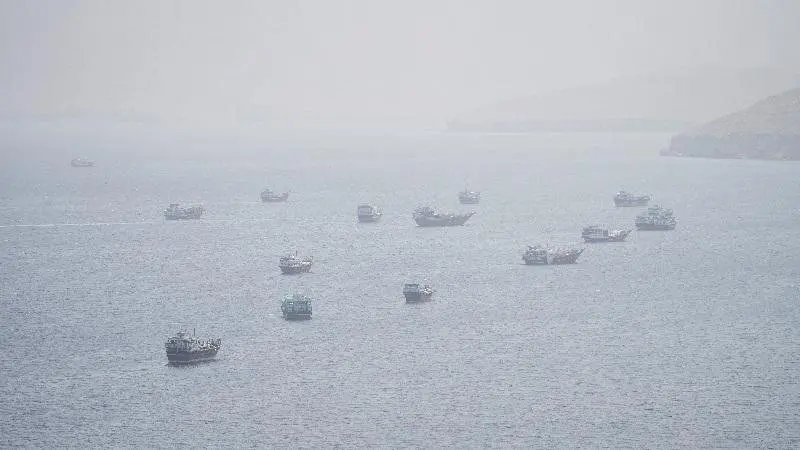
A weekend of strikes across the Gulf has pushed an already tense region closer to a wider energy crisis, and the ripple effects reach well beyond oil traders.
On Sunday, a ship was hit by a projectile while passing through the Strait of Hormuz, catching fire and forcing its crew to evacuate, according to the UK-based maritime security agency UKMTO. Iran reported one dead and four wounded aboard one of its own commercial vessels struck off its coast. At the same time, Yemen's Houthi movement kept up cross-border attacks on southern Saudi Arabia, with state footage showing damage to homes and a mosque in Jazan province.
The bigger picture: drone strikes on Friday knocked out Saudi Arabia's 1,200-kilometre east-west pipeline, the main alternative route for Middle East oil that avoids the Hormuz chokepoint. The same day, the Houthis seized Perim Island in the Bab El-Mandeb strait at the mouth of the Red Sea — putting pressure on both of the region's key shipping corridors at once. Reuters sources say Saudi storage at its Red Sea port of Yanbu covers only five to seven days of exports if the pipeline stays shut, after which roughly 4% of world oil supply could be at risk. Oil briefly topped $100 last week, and US diesel hit a record high above $6.20 a gallon.
Diplomacy stumbled too. A much-trailed meeting in Oman, where Iran planned to pitch a deal on shipping routes through Hormuz to Gulf Arab states, was postponed at short notice "in the interests of consensus," according to Oman's foreign minister. Iran's foreign minister told Al-Arabi Al-Jadeed the strait will not reopen until Washington meets Tehran's demands. Meanwhile, Crown Prince Mohammed bin Salman reportedly asked President Trump for military help against the Houthis and was offered intelligence support only.
Why it matters to travellers: anyone with trips booked to the Gulf, the Red Sea coast or Yemen's neighbours should watch this closely. Shipping through Hormuz and Bab El-Mandeb affects cruise itineraries, flight routing and fuel surcharges, and rising oil prices tend to feed through to airfares and car hire within weeks. Southern Saudi Arabia is already seeing regular air-raid alerts. If you're heading to the region, check your foreign office's latest advice, confirm whether your airline or cruise line has adjusted routes, and consider flexible booking options — the situation has shifted noticeably week to week, with no peace talks since a June interim deal collapsed.