Việt Nam has just pulled off something few countries manage: hosting the Asia-Pacific Dialogue on Heritage and Authenticity and walking away with a new international reference point for how heritage gets protected. The event, held in Hà Nội and Ninh Bình, ended with the adoption of the Hà Nội Document on Heritage and Authenticity — the first time an Asia-Pacific perspective has been written directly into the global conversation on what makes a heritage site authentic.
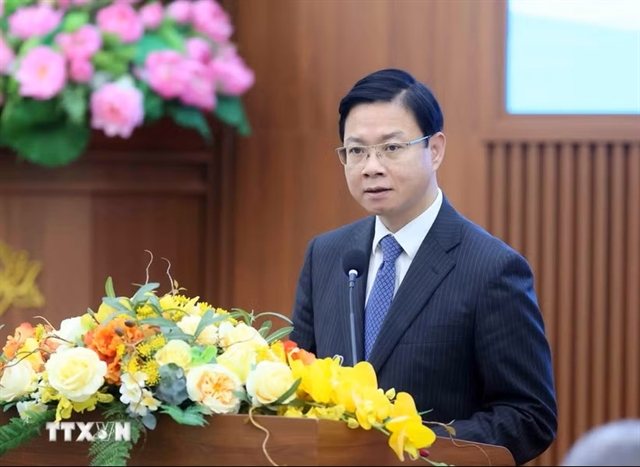
Deputy Foreign Minister Ngô Lê Văn, who chairs the Việt Nam National Commission for UNESCO, called the document a shift in conservation thinking worldwide. It builds on the 1994 Nara Document and the 2025 Nairobi Document, and UNESCO World Heritage Centre director Lazare Eloundou Assomo described it as a milestone for the 1972 World Heritage Convention. Not bad timing either — the adoption landed in the 50th anniversary year of Việt Nam-UNESCO relations.
What makes this interesting for travellers is where the dialogue happened. Delegates didn't just talk theory. They attended the groundbreaking for the restoration of Kính Thiên Palace at the Thăng Long Imperial Citadel in Hà Nội — a site that has been the seat of Vietnamese political power for 13 centuries — and visited Tràng An and Tam Chúc in Ninh Bình. The citadel case is genuinely unprecedented: for the first time in the Convention's near 55-year history, the World Heritage Committee agreed to allow changes to a property's core zone, green-lighting the palace's reconstruction after 15 years of research and negotiation. UNESCO and ICOMOS experts have framed it as a model other countries can learn from.
There's follow-through too. Việt Nam, as Vice Chair of the World Heritage Committee, will push the document's recommendations at the committee's 49th session in Istanbul in 2027, with the aim of refining the Convention's operational guidelines. Regionally, three proposals are on the table: an Asia-Pacific heritage cooperation network, regular training for young heritage professionals, and making the dialogue a permanent fixture. And when Việt Nam hosts APEC in 2027, heritage and culture will feature on the agenda as a bridge between economies.
For anyone planning a trip, the practical upshot is that Việt Nam's heritage sites are getting serious international investment and attention. The Hà Nội Document will directly inform nomination dossiers for Óc Eo – Ba Thê, Cổ Loa, the Củ Chi Tunnels, Con Moong Cave and Vân Long – Kim Bảng – Tam Chúc — meaning the country's World Heritage list is likely to grow. Thăng Long Imperial Citadel, right in central Hà Nội, pairs naturally with a visit to the Old Quarter, while Ninh Bình's Tràng An limestone karsts and the vast Tam Chúc temple complex are an easy side trip from the capital.
Vietnam News Life