
A fresh round of Houthi missile and drone strikes on southern Saudi Arabia, combined with the last-minute postponement of Oman-hosted talks between Iran and Gulf Arab states, has raised fresh worries that the Middle East conflict is spilling beyond its borders — with knock-on effects for oil prices, shipping routes and travel across the region.
The Houthis said they fired dozens of missiles and drones at the Khamis Mushait military airbase in Saudi Arabia's south, targeting hangars, radar, runways and ammunition depots in retaliation for Saudi airstrikes in Yemen. Saudi authorities issued emergency alerts in Khamis Mushait and three other southern cities. The group has also made rapid territorial gains inside Yemen this month, including seizing Perim Island at the mouth of the Red Sea, and around 82,000 Yemenis have fled the fighting, according to the International Organization for Migration.
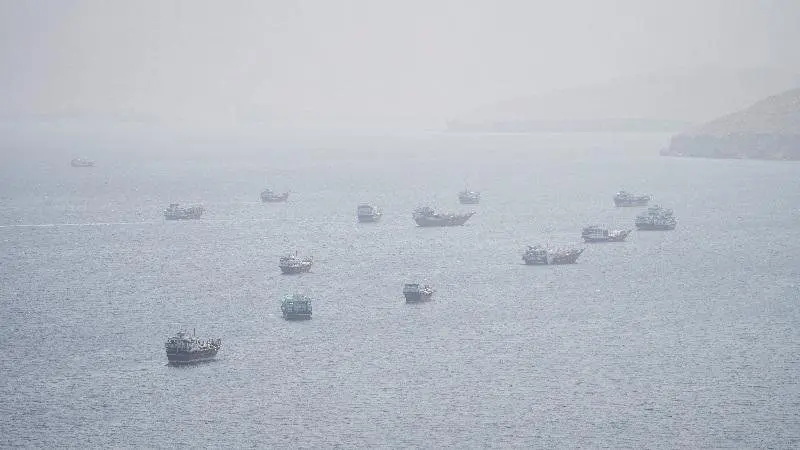
Energy markets reacted quickly. Brent crude rose more than 4% on Monday before settling about 1.6% higher near $106 a barrel after US President Donald Trump suggested Iran was keen to strike a deal with Washington. A separate attack — blamed by Riyadh on Iran-backed fighters in Iraq — knocked out Saudi Arabia's east-west pipeline, a route that lets Gulf oil bypass the Strait of Hormuz. Traders warn a prolonged shutdown could remove up to 4% of global oil supply, and the strait itself has been largely closed since the US and Israel attacked Iran in late February. Iran has also published a list of 77 ships it accuses of violating its protocols there, threatening fines or detention.
For travellers, the practical picture is straightforward: this is not a moment for trips to Yemen, and southern Saudi Arabia near the Yemeni border is an active risk zone with emergency alerts in effect. Red Sea shipping and aviation schedules in the wider Gulf could face disruption if the conflict widens, and higher oil prices tend to feed through to costlier flights in the medium term. Anyone with trips booked to Gulf states — including Dubai, Doha or Riyadh — should monitor their foreign office's travel advice and airline notices rather than cancel outright, as the main hubs remain far from the fighting. The postponed Oman talks and Trump's signal that diplomacy may be back on the table suggest the situation could calm as quickly as it flared, but timing is anyone's guess.
The diplomatic backdrop matters too: Crown Prince Mohammed bin Salman met US regional commander Admiral Brad Cooper in Jeddah, while Washington has reportedly resisted Saudi requests for direct military intervention beyond intelligence support. Trump said over the weekend he expected the Iran war to end shortly after November's US midterm elections, predicting oil prices would then "drop like a rock". Until then, Gulf travel plans deserve a cautious eye on the news.
Story via Japan Today.