Ever wondered why an airline suddenly announces a nonstop to Porto or Prague? It's not guesswork. At American Airlines, which turns 100 this year, a full department called network planning makes those calls — and its senior vice president, Brian Znotins, oversees more than 2,100 domestic and 700 international routes.
The process blends hard data with gut feel. Planners track which cities customers search for most, pore over demand models and global event calendars, and sometimes just take inspiration from articles about up-and-coming spots. When Prague and Budapest kept topping the list of most-searched unserved cities, American launched both on the same day. New routes can take over a year to materialise; long-haul international ones are the slowest to come together.
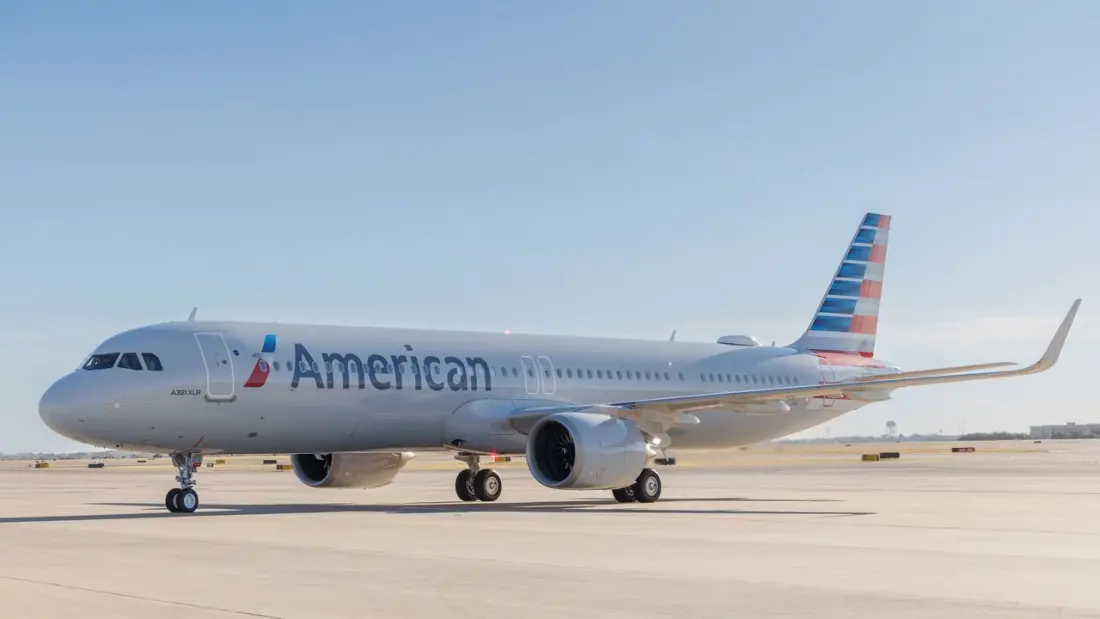
Aircraft availability is the real gatekeeper. American retired a big chunk of its long-haul fleet during the pandemic — Boeing 767s, 757s and A330s — which pushed growth toward domestic flying and Mexico and the Caribbean. Now the Airbus A321XLR is rewriting the playbook. American was the first US carrier to take delivery of it late last year, with 50 on order. The 155-seat jet, fitted with Flagship Suites and premium economy, can cross the Atlantic — but it's small enough to serve 'thinner' destinations where a wide-body would be overkill. That's exactly why American's newly announced 2027 routes — New York to Nice and Amsterdam, Philadelphia to Porto and Vienna — will fly exclusively on this plane.
The smaller jet also helps with the 'seasonal creep' Znotins has noticed: Europeans destinations used to empty out after summer, but travellers now keep coming in milder, quieter months. A route like New York to Barcelona can run a wide-body in peak summer, then downsize to the A321XLR in winter — keeping service year-round instead of cutting it entirely.
External shocks still force improvisation. Closed airspace, fuel spikes and corporate contracts all shuffle the schedule; a second daytime New York–London Heathrow flight starts in spring because business travellers specifically asked for one that lets them sleep at home before meetings.
Why should holidaymakers care? Because your searches genuinely shape future route announcements, and the A321XLR era means more nonstops to smaller European cities that never had them before. Znotins hints at what's next: secondary destinations across Europe, North Africa and South America. If you've been waiting for an easy nonstop to a less obvious city, the odds just improved.
First reported by Condé Nast Traveler.