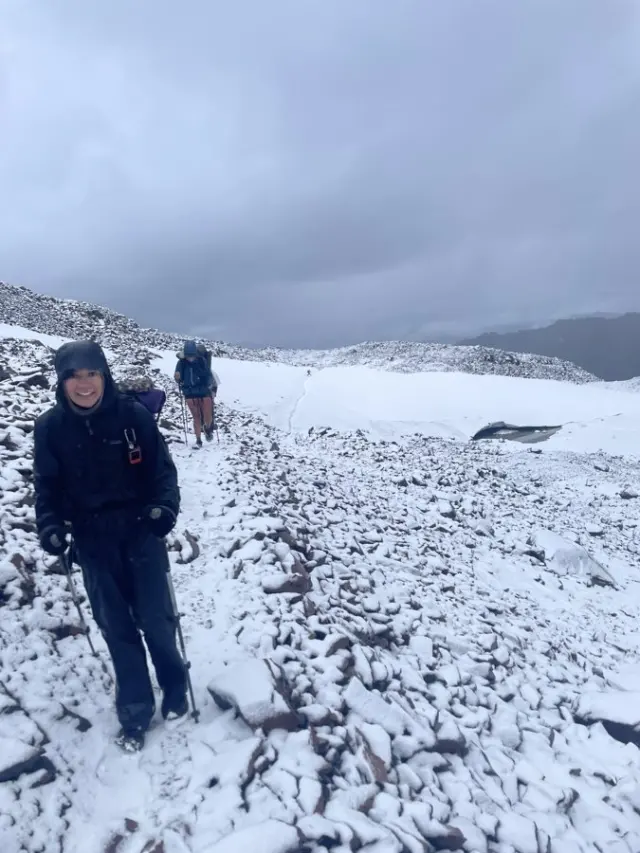
A small pilot programme in northern Portugal is treating depression with a rather unusual prescription pad. Rather than pills, doctors at the Local Health Unit (ULS) of Barcelos will be 'prescribing' walks, pilates, swimming sessions and time with animals to a group of 25 to 30 participants, who will follow the programme for 12 weeks.
The initiative, called AtivaMente, rests on a simple idea from the health unit itself: health is not achieved only within healthcare facilities. Over the three months, participants will rotate through different activities, always accompanied by the project team and professionals from the Family Health Unit Santo António in Porto.
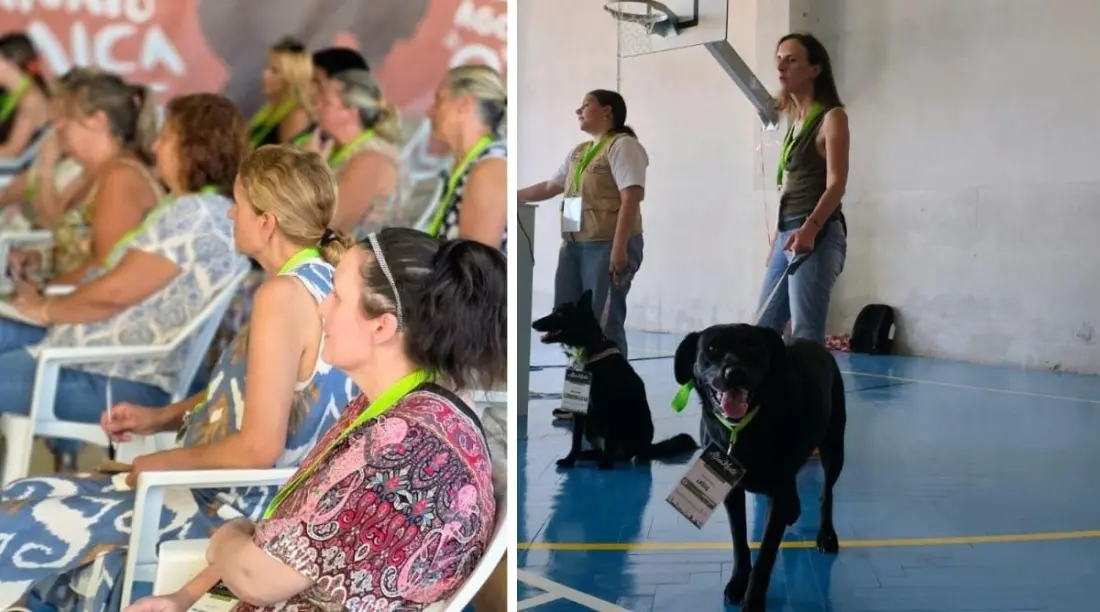
One of the more charming elements is animal-assisted therapy, delivered with the help of two trained dogs named Salvador and Lassie. According to the health unit, the dogs are there to create new forms of interaction, stimulate communication, and help participants work on self-esteem, confidence and autonomy.
The scheme will be formally evaluated once the 12 weeks are up, with the findings shaping what happens next. José Moreira, director of Primary Health Care at the northern ULS of Barcelos and Esposende, described AtivaMente as a source of pride for the unit and a starting point for a more effective response to mental health needs.
That response matters in a country with a notable relationship with medication. Portugal consumes famously high quantities of antidepressants and anti-anxiety drugs per person per year, and Moreira's comments implicitly acknowledge that pills have too often been the default answer. If the Barcelos trial shows meaningful results, non-clinical approaches like guided exercise and animal therapy could spread to other parts of the Portuguese health service.
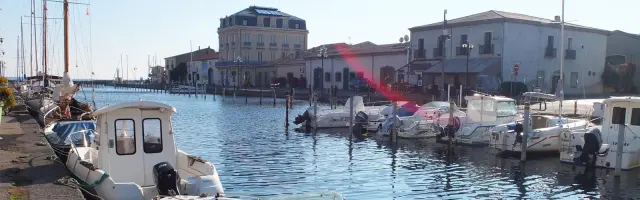
So why should this register with travellers? Barcelos remains one of the Minho region's quieter treasures — a riverside town famous for its huge weekly Thursday market and the legend of the cockerel that gave Portugal its most recognisable symbol. A town whose health service is pioneering outdoor, community-based wellbeing fits neatly with the kind of slow, walkable, low-key Portuguese travel that more visitors are seeking. And for anyone interested in how destinations are rethinking health and quality of life, this is a small story with broader echoes across Europe, where 'social prescribing' schemes are gaining ground.
The results of the AtivaMente evaluation are worth keeping an eye on. If walking groups and a pair of therapy dogs prove their worth in Barcelos, the model could influence how mental health support is delivered elsewhere in Portugal — and give travellers one more reason to see the region as a place that takes wellbeing seriously.
Story reported by Portugal Resident (text: Lusa).