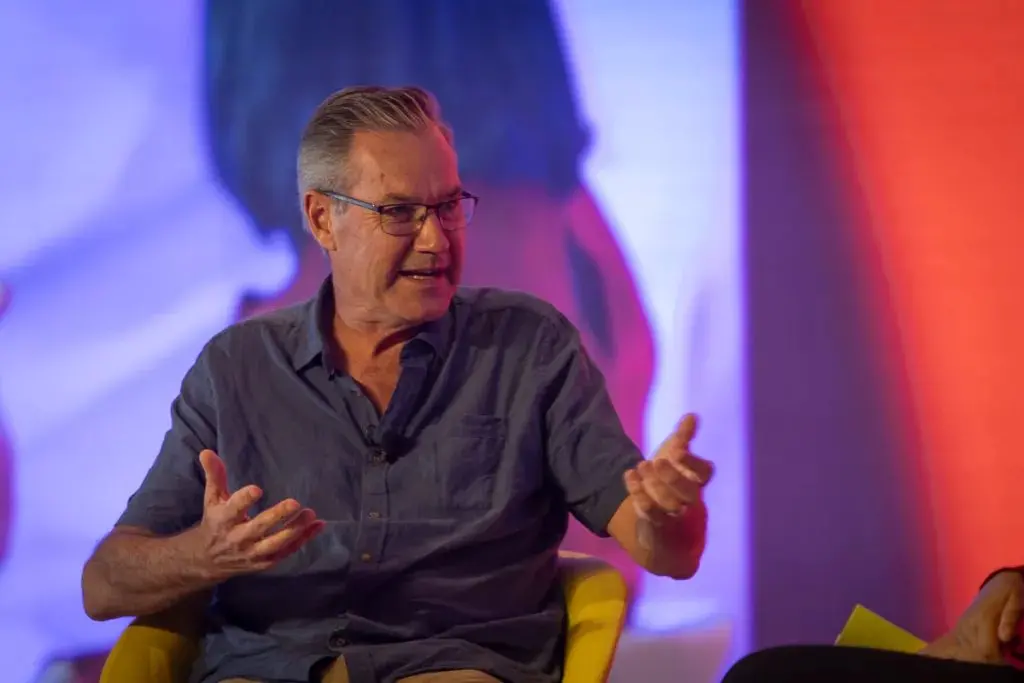
Mega-cruise ships, all-inclusive resorts, Instagram-famous landmarks — the travel industry keeps selling scale. Darrell Wade, who co-founded Intrepid Travel, thinks that's exactly the wrong direction. Speaking at the Skift Global Forum, he argued that luxury travel's rise has pulled the industry away from what travel is actually for: meeting people and experiencing culture, including in the places you thought you already knew.
His sharpest point was aimed at the giants of the sea. A ship carrying 7,000 passengers might boast 20 restaurants, he said — but step ashore and there are probably 3,000 of them. You don't need to board a floating city to eat well. The point of going somewhere is to step slightly into the unknown and be a little uncomfortable, because that's where the real experiences live. A cruise, by design, insulates you from the place you came to see.
Wade's prescription isn't budget backpacking, though. He's not telling anyone to rough it. His argument is about proximity and depth over distance and polish: travellers get more out of a trip — and so do local communities — when the focus shifts to smaller groups, local operators and experiences rooted in the destination rather than imported onto it.
There's a climate thread here too. Wade has been vocal about tourism's environmental footprint, and shorter, closer-to-home trips are one of the clearest ways to cut emissions without giving up travel altogether. The rise of luxury and expedition cruising, in particular, sits awkwardly with that math — high-impact, high-comfort, and largely disconnected from the destinations being sailed past.
For holidaymakers, the practical takeaway is refreshingly simple. Before booking the far-flung, heavily packaged option, ask what you'll actually remember in ten years. Often the answer is a conversation with a local, a meal you didn't expect, a detour that went slightly wrong. Those tend to happen more on small-group trips and regional getaways than on itineraries designed to keep you inside a bubble. It also reframes the 'staycation' debate: exploring your own country or region with a proper local guide can feel as novel as flying overseas — at a fraction of the carbon cost.
None of this means giving up on big trips. Wade's point is about balance and intent: if the industry keeps chasing bigger ships and fancier hotels, travellers lose the thing they came for. The world doesn't need more 7,000-passenger vessels. It needs trips built around people — and sometimes those people are just down the road.
Skift