
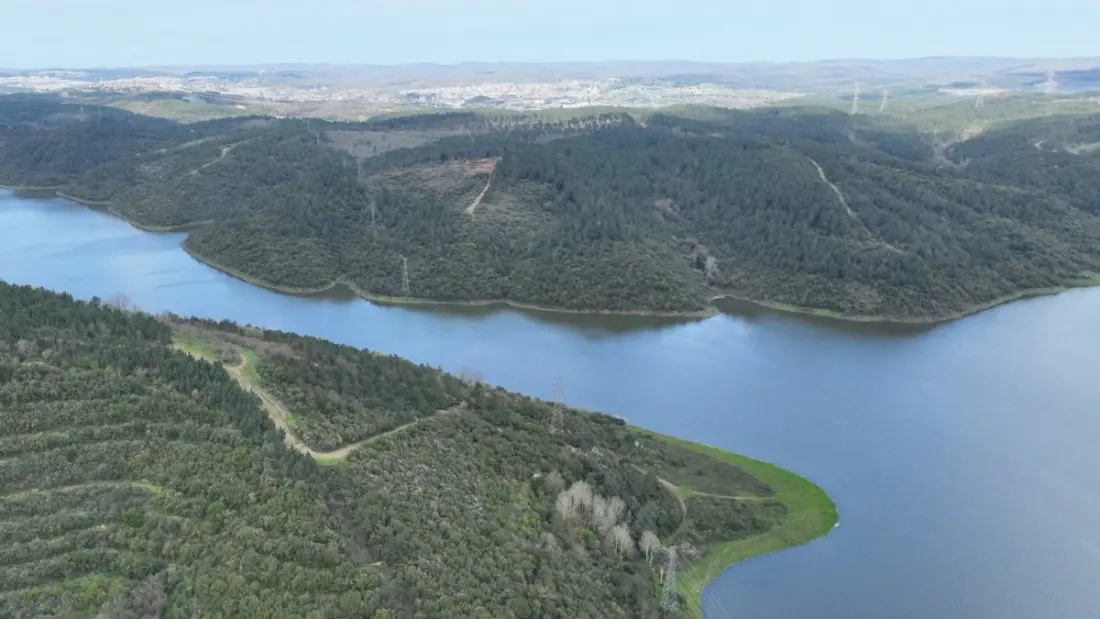
Istanbul is running dry again. As of September 18, the average occupancy of the dams supplying Turkey's largest city sat at 38.03%, with roughly 330 million cubic metres left in reservoirs that can hold about 869 million cubic metres in total. It's only the third time in the past decade that September levels have dropped under 40% — the other occasions were worse, at 25.28% in 2023 and 33.49% in 2025.
The reasons are familiar: less rain and more demand. Rainfall in the dam catchment areas has slid steadily, from 852.64 kilograms per square metre in 2023 to 709.27 in 2024, 619.92 in 2025 and just 540.49 this year. Hot, dry summers compound the problem — higher evaporation, drier soil and a spike in consumption as people water gardens, cool off and use more water overall, according to meteorology professor Güven Özdemir of Istanbul Aydın University.
One nuance worth knowing: it's not just how much rain falls, but how. A short burst of heavy rain doesn't refill reservoirs the way steady, regular rainfall does, because much of it runs off rather than feeding the catchment areas. That means autumn and winter rains will be decisive. Sustained rainfall through the coming months could restore Istanbul's stocks before the next water year; if it stays scarce, the pressure on reserves continues.
For travellers, this isn't a reason to cancel a trip to Istanbul — the city keeps running, and hotels, restaurants and attractions operate as normal. But water stress does shape the on-the-ground experience. Expect possible municipal appeals to conserve, occasional pressure fluctuations in older neighbourhoods during peak summer, and a city government increasingly vocal about usage. Simple gestures matter: reuse hotel towels, take shorter showers, and skip getting tap water you won't drink. Tap water in Istanbul is treated but most locals and visitors stick to bottled or filtered water anyway.
The bigger takeaway is seasonal timing. If dry patterns persist, spring is shaping up as the comfortable window for a visit — mild weather, lower water demand and the city's famous tulip season in April. Deep summer combines peak heat, peak crowds and peak strain on resources, so a shoulder-season trip is easier on both you and the city.
Who should care most? Anyone planning a long stay in Istanbul over the summer months, travellers heading to apartments or guesthouses in older districts where plumbing is temperamental, and visitors who want to travel a bit more responsibly in a city of over 15 million people. A short city-break in autumn or spring will feel largely unchanged — Istanbul's mosques, bazaars, rooftop bars and Bosphorus ferries are all unaffected. But it's a reminder that even iconic city breaks now come with an environmental footnote, and being a low-impact guest is part of travelling well in 2026.