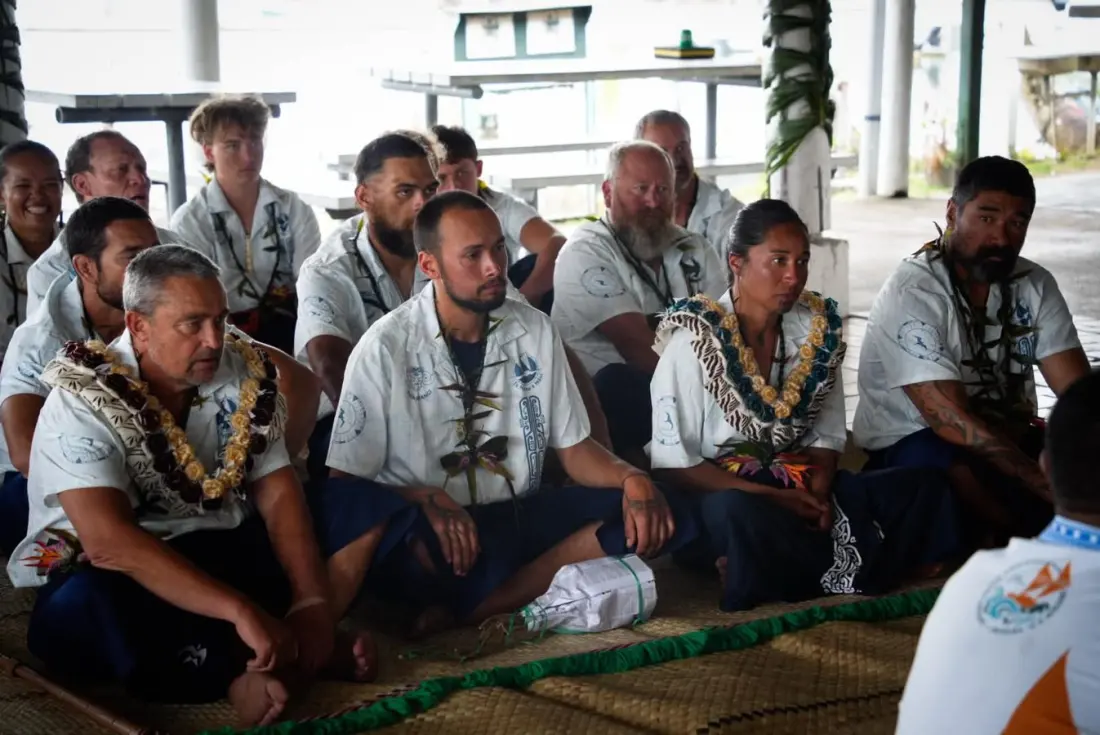
A double-hulled sailing canoe from New Zealand has tied up in Suva, and its arrival is about much more than a port call. The Te Matau a Maui, crewed by 16 sailors from Aotearoa, berthed at the Royal Suva Yacht Club after sailing in from Samoa, where it was welcomed by the Unto Ni Yalo Trust — the guardians of Fiji's own ocean-going canoe, the Uto Ni Yalo.
The voyage, called Te Hokinga (The Return), retraces a route from Maori oral tradition: a voyaging canoe that crossed the Pacific before Christianity arrived, stopping in Samoa, Hawaii and Fiji. The modern crew will spend time in Fiji on cultural visits, including a courtesy call to Bau Island, before sailing home to New Zealand next week.
There's a deeper purpose here too. The trip is designed to reconnect voyaging communities scattered across the Pacific — groups who have spent decades reviving the ancient art of wayfinding, navigation without instruments, using stars, swells and seabirds. By sailing together and sharing knowledge, the crews hope to pass traditional sailing practices to a new generation of Pacific navigators.
The two canoes in Suva share history as well as heritage. Te Matau a Maui and Uto Ni Yalo are sister vessels, both launched in 2009 as part of a seven-canoe fleet that sailed from New Zealand to French Polynesia, Samoa, the Cook Islands, Tonga and Fiji — a voyage that helped spark a revival of traditional Pacific seafaring.
For travellers, this is a reminder that the Pacific's best cultural experiences aren't always scheduled or ticketed. Voyaging canoes like the Uto Ni Yalo are based in Suva and sometimes welcome visitors or sail for public events, and harbour-side spots like the Royal Suva Yacht Club are the kind of places where you can stumble into living maritime history. If you're travelling around Fiji, Samoa or Tonga, keep an eye on local voyaging trusts and community calendars — a canoe arrival tends to come with ceremony, singing and a warm welcome.
It's also a nudge to think about the ocean itself. These crews sail the old way, low-impact and wind-powered, and their voyages carry messages about ocean health and sustainability that resonate across the islands. For anyone planning a Pacific trip, aligning with that spirit — choosing locally run tours, respecting village protocols, learning a little of the navigation lore — turns a beach holiday into something richer.