
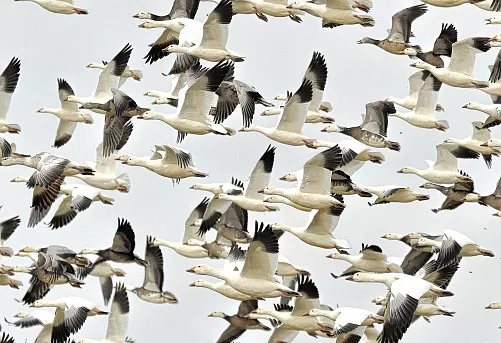
Almost half of the world's migratory bird species are shrinking in number, according to BirdLife International's State of the World's Birds report, unveiled at the Global Flyways Summit in Nairobi. The numbers are stark: 45% of migratory species are declining, and one in nine bird species overall is threatened with extinction.
The problem comes down to distance. Migratory birds may cover thousands of kilometres twice a year, hopping between breeding grounds and feeding areas across multiple countries. That makes them unusually vulnerable — a single degraded wetland, cleared forest or overfished coastline along the route can undercut the entire journey. The report names climate change, habitat loss, invasive species and unsustainable hunting as the main drivers of the decline.
The response at the Nairobi summit was the Nairobi Flyways Declaration, signed by governments, scientists and conservation groups. It commits signatories to stronger cross-border cooperation on protecting the wetlands, forests, coastal zones and marine habitats that migrating birds use as stopovers. BirdLife CEO Martin Harper called the findings a clear warning and stressed that no single country can fix the problem alone, since the birds ignore borders entirely.
For travellers, this matters more than it might first appear. Seasonal bird movements underpin some of the world's best wildlife experiences — flamingo gatherings on Rift Valley lakes, raptor watchpoints along migration corridors, wader spectacles on coastal mudflats. Many of these sightings are strictly time-limited: the birds pass through for a few weeks a year, and if populations keep falling, the windows get narrower. Places that protect their stopover habitats aren't just saving wildlife; they're protecting the tourism that depends on it.
There's also a practical takeaway for trip planning. Birding destinations are more interconnected than they look — the birds you see on a South African wetland in summer may have bred in Europe, and vice versa. Supporting lodges, reserves and wetland restoration projects along these flyways does double duty. And if seeing a particular migratory species is on your list, booking closer to peak passage season matters more than ever, since sightings are less guaranteed than they used to be.
The summit's message was blunt: without coordinated habitat protection across continents, the seasonal arrivals that birders and nature travellers plan whole trips around will become rarer. The declaration is a starting point, not a fix — but for anyone who travels for wildlife, it's worth watching how seriously the signatories follow through.