
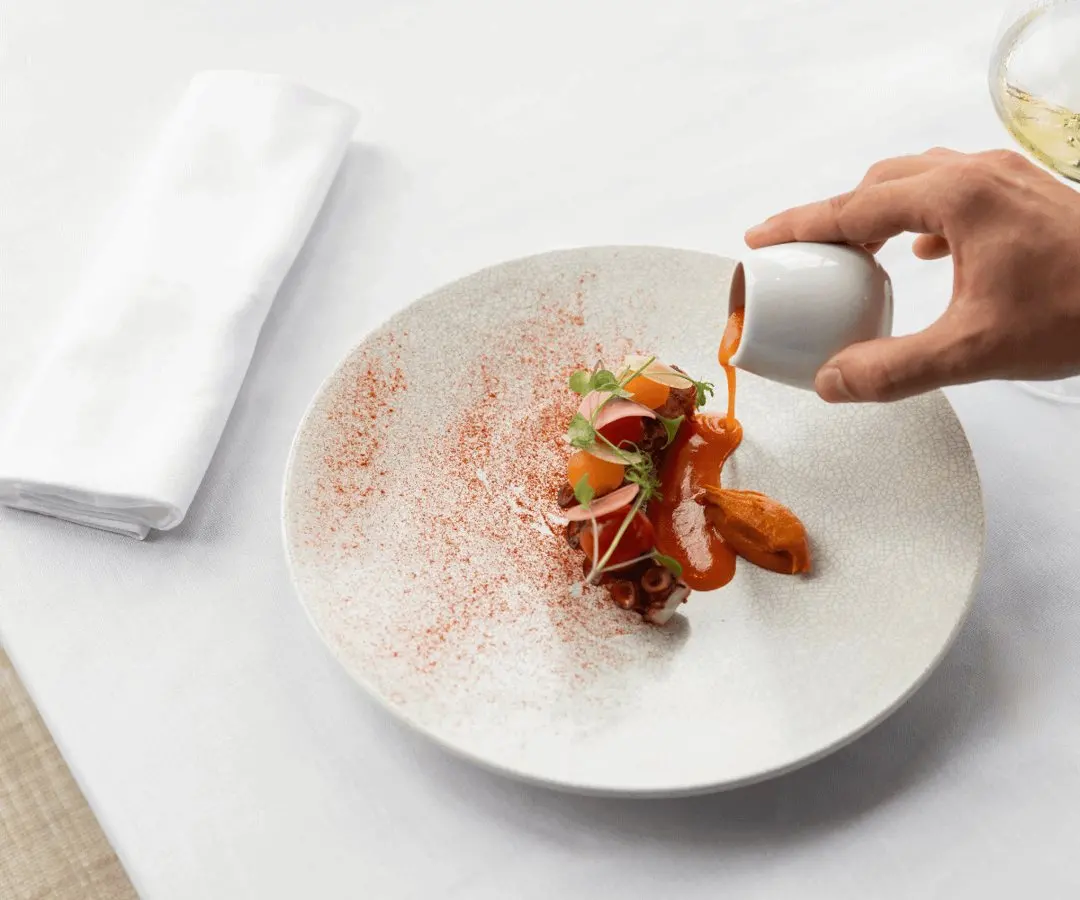
The Michelin Guide finally came to New Zealand this year, and it made an entrance: fourteen starred restaurants in the inaugural edition, with more than a hundred entries in total. Queenstown's Essence, perched on a hillside above Lake Wakatipu, took the country's only two-star award, while Auckland's Tala made history as the first Samoan restaurant anywhere in the world to earn a star. Chef Henry Onesemo's reaction said it all: Samoa, and Pacific cuisine more broadly, belongs on the international culinary stage.
But the more interesting story isn't the star count. It's what the guide quietly confirmed about how New Zealand eats. There's no single defining Kiwi cuisine in the way France or Japan has one. Instead, the food is layered — a deep Māori tradition built on land, sea and season, then European settler cooking, then waves of Pacific and Asian influence. The result is a dining scene where nothing was planned but everything leaves a trace. A menu in New Zealand is basically a record of everyone who ever settled there.
Take the two-meal test. One couple travelling in the country recently had a seasonal tasting menu at Essence above Lake Wakatipu, then four days later were eating Pacific food in Auckland they'd never encountered before. On paper, those dinners have no business being on the same trip. In practice, both made sense because each one reflected its exact spot on the map — chef Paul Froggatt building his menu around whatever the season offers, Tala cooking Samoan food without softening it for anyone.
That sense of place is the real hook for travellers. Seafood from Marlborough tastes different once you've been out on the Sounds where it was pulled from the water. Lunch on Waiheke Island lands better after a morning walking the vineyard you're drinking from. Bluff oysters taste like nowhere else's oysters, and local chefs and growers are happy to explain why. Tourism New Zealand's Rene de Monchy put it well after the announcement: the country's chefs cook from where they actually live rather than chasing someone else's idea of fine dining. Guests notice. They come back talking less about fancy plating and more about the vineyard owner who told them the whole story of the harvest.
So is a trip built around New Zealand food worth it now that Michelin has weighed in? The stars will pull in more diners, and the kitchens have earned the attention. But the smarter play is the one locals already use: pick your region first — Central Otago, Waiheke, Marlborough, Auckland — and let the meals follow from the landscape. That's when dinner stops being a reservation and starts being the summary of your day.
If you've been waiting for a sign that New Zealand belongs on a food-lover's shortlist, fourteen stars and a piece of history at Tala are a pretty solid one.
Original source: A Luxury Travel Blog.