
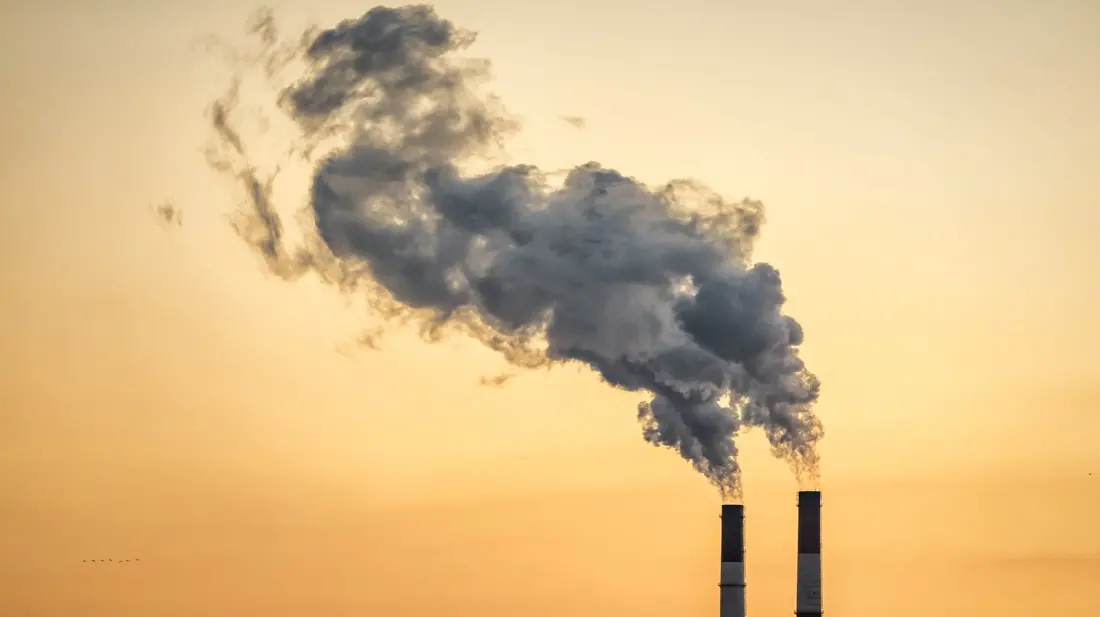
Bad air days are no longer rare in parts of the United States, and the American Lung Association's 2026 State of the Air report makes that clear. By combining its rankings for ozone, short-term particle pollution (PM2.5) and year-round PM2.5, a pattern emerges: nine US cities keep showing up at the bottom, and travellers heading to any of them might want to check the air quality index before booking hikes or outdoor plans.
California dominates. Fresno ranks fifth worst for ozone and in the top six for both particle pollution categories, thanks to punishing summer heat and drifting wildfire smoke — no small issue for a city that many people use as a launchpad for Yosemite. Visalia, its San Joaquin Valley neighbour and the gateway to Sequoia National Park, comes second worst in the country for ozone, with wildfires, heat and cross-border emissions all compounding the smog. San Diego, despite the postcard image, earned a D grade and a top-five spot for year-round particle pollution, driven by a mix of traffic, wildfires, heatwaves and power generation.
Not every offender fits the smoggy-big-city stereotype. Eugene, Oregon — a leafy college town of about 175,000 barely registers on ozone lists, but it ranked second nationally for short-term PM2.5 and third for long-term. The culprit is wildfire smoke: Oregon burned roughly 2.6 million acres in 2026, a record, and smoke degrades air quality even when flames are far away. Brownsville, Texas tells a similar story. The border city has minimal smog but placed second for long-term PM2.5, with research suggesting much of the particle pollution comes from agricultural burning in Mexico that wind can push across the whole Rio Grande Valley — in February 2026 conditions at one point hit 'unhealthy for all' levels.
Phoenix, Arizona is the pure smog case. It ranked fourth for ozone while staying off the PM2.5 lists, a function of car and fuel emissions cooking in relentless sun — and of geography, since the city sits in a mountain-ringed bowl that traps dirty air. In 2024 it came close to federal intervention over air standards.
Why should holidaymakers care? PM2.5 particles are small enough to pass from the lungs into the bloodstream, and prolonged ozone exposure is linked to asthma and other respiratory problems. Sensitive travellers — children, older visitors, anyone with respiratory conditions — have the most at stake, especially in summer, when heat and fire season peak. The practical fix is simple: check the daily AQI and local wildfire alerts before locking in outdoor activities, favour shoulder-season visits for places like Fresno and Phoenix, and treat national parks as a relative safe haven while remembering smoke can reach them too. None of these cities are off-limits; a bit of timing and flexibility goes a long way.