Somewhere past Appalachian Gap on Vermont's Long Trail, a trio of thru-hikers hit the section that made one of them admit the day had 'sucked his soul.' Day 27 of their trek, from Appalachian Gap to Cowels Cove shelter, is a candid snapshot of what the hardest stretches of this 273-mile trail actually feel like.
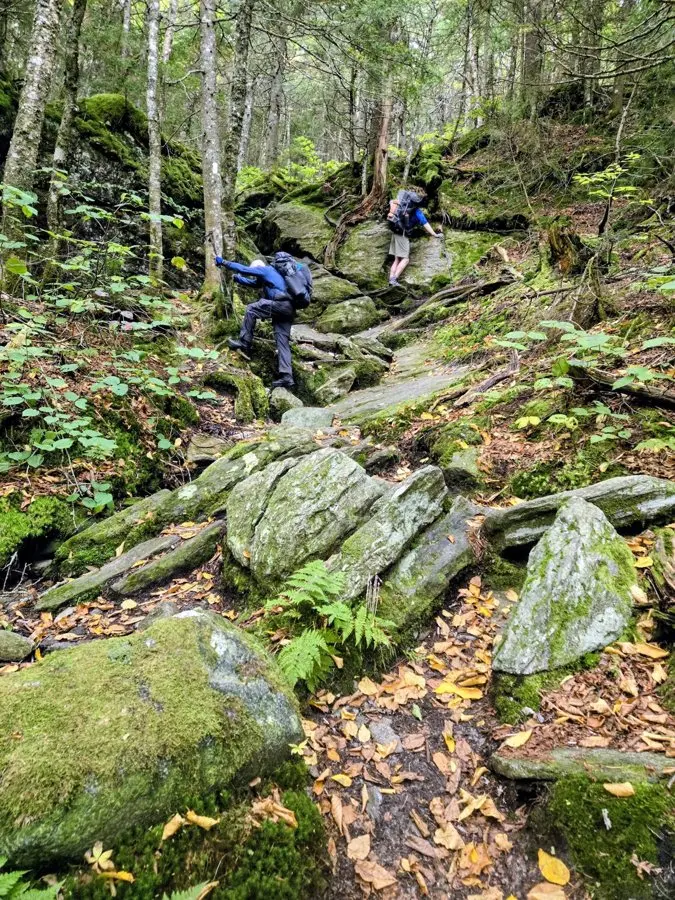
The problems start immediately. The first mile and a half out of the gap is a boulder field so steep and technical the group's pace dropped to half a mile an hour — their writer estimates a grade over 20%. Every step becomes a decision: where the foot goes, where the hands go, what happens if a slip can't be arrested. It's hands-on-rock scrambling more than walking, and photos (they tried several) simply don't capture the pitch.
What makes the account worth reading is the honesty about pace differences and group dynamics. The three hikers — travelling under trail names Rock Rabbit and The Historian, plus the author — each take different lines through the technical bits, leaning on different strengths. They wait for each other, a lot, without judgement. The writer also admits the pressure is self-imposed: for her companions, camping itself is the reward; for her, failing to finish the trail would feel like failure, full stop.
After the grind, the day swings the other way. Lunch at Birch Glen shelter, then a ridge stretch where they hit a 25-minute mile — proof they can still move. Then more trouble: an eroded dirt trail clinging to a hillside, sections so fragile they worried a footstep might collapse the whole ledge. It raises a real dilemma for anyone hiking Vermont's mountains: do you bypass a crumbling tread (worsening erosion) or risk it? The group has been picking up trash and clearing blowdowns as they go, but the trail's wear is getting harder to ignore.
Wildlife provides the comic relief. Grouse were clicking in the undergrowth all afternoon, and even with warning, a sudden burst of wings between two hikers launched both of them clean off the ground. Anyone who has startled a grouse on a quiet trail knows the sound.
They bedded down at Cowels Cove by 7:45pm for an early start, with a bigger test ahead: Camels Hump, one of the trail's marquee peaks, with rain forecast. Gear is wearing down too — the writer's custom insoles, pronounced fine before the trip, are cracking after 180 miles.
Why should a traveller care? Because the Long Trail is America's oldest long-distance trail and its reputation for being harder than its mileage suggests is earned. This diary captures the reality between the postcard views: slow, deliberate movement, group patience, weather calls, and the mental weight of committing to a route with no easy exit. If you're eyeing a Vermont section hike or a full thru-hike, this is a useful reality check — the trail demands scrambling skill, not just fitness. And even day-hikers on the Camel's Hump or Appalachian Gap sections will recognise the terrain described here, which is exactly why those spots are so loved and so demanding. — Source: The Trek