
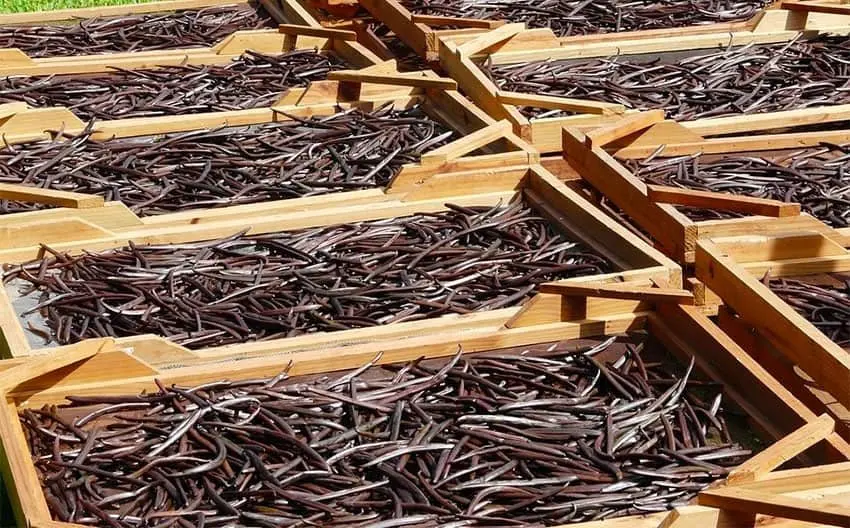
Four hours northeast of Mexico City, in the tropical hills of northern Veracruz, sits Papantla — a pueblo of roughly 55,000 people that once perfumed the world. Between 1870 and 1910 this small town was the globe's vanilla capital, shipping the spice (which the locals call xanath) to Europe and the US. Today artificial vanilla dominates the market and small farmers have struggled with crime, deforestation and shifting weather, but Papantla still smells gloriously of the real thing — and it's a cheap, fascinating stop most travellers skip.
The town's most famous export, though, flies. The Danza de los Voladores, a UNESCO-recognised ritual in which four performers climb a 100-foot pole and launch themselves upside down, spinning to the ground secured only by ropes tied at their ankles while a fifth plays flute and drum at the top, traces back to the Totonac capital of El Tajín, occupied from around A.D. 800. Papantla runs a school for young flyers, and voladores now perform across Mexico, from Chapultepec in the capital to Xcaret in Playa del Carmen. The Totonac didn't invent the dance — that was likely the Nahua — but they made it their own.
Vanilla is the other legacy. The Totonac were the first known people to cultivate the orchid's fruit, and for more than two centuries Mexico was the world's sole supplier until manual pollination let other tropical regions take over in the mid-19th century. You can still see living history at the Xanath ecological park, a 54-acre sustainable vanilla plot, or book the two-day "Vanilla Route" excursion, which pairs the park with a visit to a family farm making artisanal products.
Food is the real reason to linger. Saberes Ancestrales de la Vainilla, a family-run restaurant and free vanilla museum with a hilltop terrace, serves café de olla spiked with natural vanilla, bocoles (thick stuffed tortillas) and chicken in smoky vanilla-pepper sauce. Nearby Nakú — Totonac for "heart" — specialises in Indigenous northern Veracruz cooking, including hard-to-find dishes like zacahuil tamales (Sundays only) and rabbit in chiltepín salsa. Wash it all down with atole morado, an iced purple corn drink, on the buzzing main plaza, where vendors sell homemade vanilla ice cream.
Don't leave without checking out the murals of Teodoro Cano García, a Diego Rivera mentee whose huge town-square work chronicles Totonac history, and the small free museum bearing his name, which mixes his paintings with Totonac artifacts. Between the ruins of Tajín a short drive away, the flying men, and a food scene built on corn, pumpkin seeds and real vanilla, Papantla is a genuinely affordable cultural detour that most Gulf Coast itineraries overlook.