
The internet's odd corners delivered a rich haul this week, and a few of these stories double as genuine travel inspiration.
The standout for anyone who loves a hidden corner of England: Laredo, a full-blown 1880s American frontier town that has somehow taken root in a damp green field in the English countryside. It began 40 years ago with a single wood cabin and a pot-bellied stove, then grew organically into a whole settlement — a bank, apothecary, blacksmith, jail, dry goods store, a printer's shop called Epitaph and a two-storey saloon and hotel. It's members-only and deliberately low-key, which is exactly the sort of place that makes you wonder what else is hiding behind a hedge off some B-road.
London's riverbanks get their own legend in another find. In 1917, typographer Cobden-Sanderson, determined that his business partner should never own the celebrated Doves Press type, dumped the entire set into the Thames — a task that took him 170 trips, each load 15 to 20 pounds of metal. He wrote the dates and locations in his journals, which turned out to be a gift: nearly a century later, type enthusiast Robert Green used them to search the riverbed and recovered 151 individual pieces out of a possible 500,000. Mudlarking along the Thames has never sounded more rewarding.
Beijing's pigeon whistles are another vanishing tradition worth knowing about. These small devices, called geling or geshao, strap onto a pigeon and sing as it flies — once a defining sound of old Beijing, used for entertainment, tracking and scaring off birds of prey. Urbanisation and pigeon-keeping regulations have made the practice rare, so spotting it now means catching a piece of the city that's quietly disappearing.
Vietnam offers a more colourful ritual: families welcoming spring by decorating their homes with symbolic flowers, famously ferried home by motorbike, blooms stacked impossibly high. If your trip timing is lucky, the streets become the spectacle.
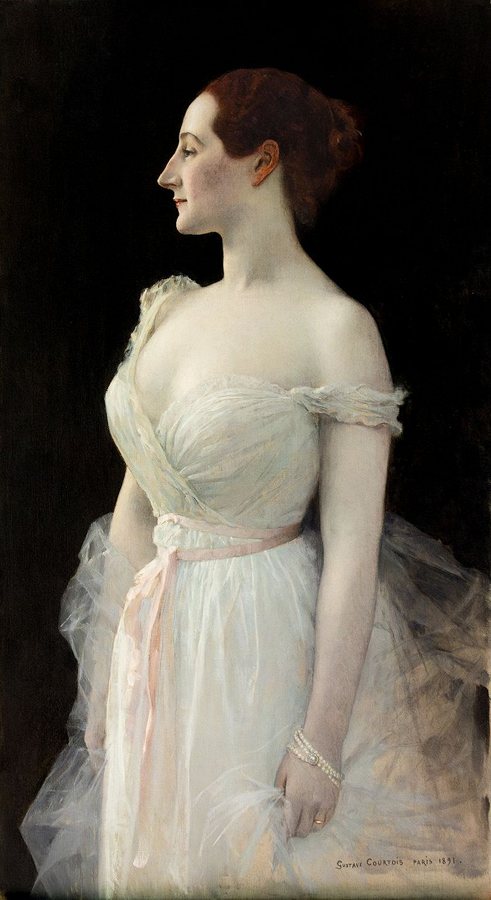
Art and history buffs get served too. The story behind John Singer Sargent's scandalous 1884 Madame X — the fallen strap that shocked Parisian society — has a cheeky epilogue: the subject, socialite Madame Gautreau, later commissioned her own portraits, including one where the strap was deliberately painted down again, and stayed down. There's also news from early cinema: a newly discovered Georges Méliès film from 1897, dug out of battered pre-WWI reels shuffled between basements, barns and garages before landing at a library, turns out to be the first robot movie ever made.
Rounding out the collection: Trapani's centuries-old coral carving tradition in Sicily, once destined for European cabinets of curiosities; French fetish shoes from around 1900 held at the Musée de la Chaussure; a 1963 photo of a human-powered driving directions hotline, an era when trip planning meant phoning an operator; Welsh radical and Neo-Druid William Price, honoured with a statue and permanent exhibition in Llantrisant; Peter Greenaway's visually wild 1988 film Drowning by Numbers; and women washing and drying rugs in Iran, photographed as pure everyday theatre.
Why care? Because the best trips come from these odd, specific stories — a river with a typeface at the bottom, a Welsh town with a druid statue, a field in England hiding a saloon. Keep a few on your list.