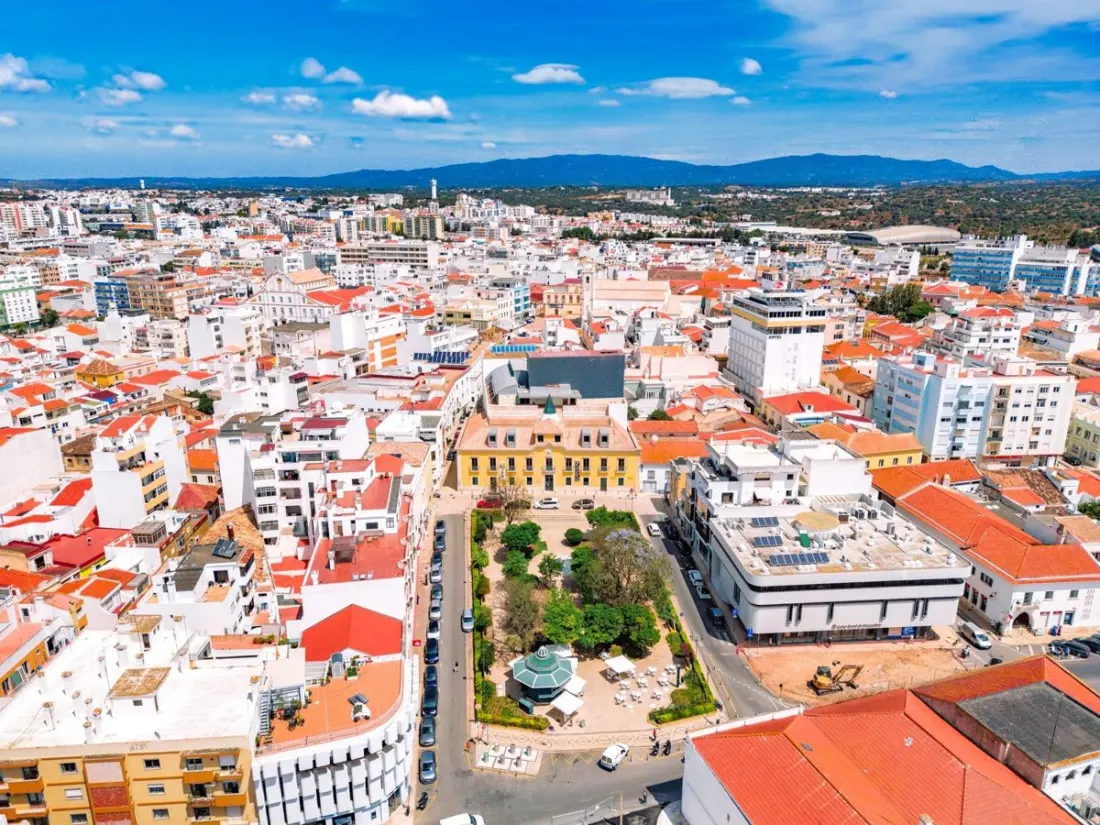
Portimão, the Algarve city that anchors one of Portugal's busiest beach destinations, has kicked off work on a long-range tourism strategy that will steer how the municipality develops and markets itself through to 2035.
The plan – officially the Portimão Tourism Development and Promotion Strategy, Horizon 2035 – was announced by mayor Álvaro Bila in a video released for World Tourism Day. The council has brought in tourism consultancy IPDT – Tourism Intelligence to run the process, and the finished strategy is expected by the end of the first quarter of 2027, followed by a public presentation.
Why bother with a ten-year roadmap? Tourism is one of the main engines of Portimão's economy, but the council points to three pressures: visitor profiles are changing, competition between destinations is intensifying, and seasonality remains a stubborn problem – the classic Algarve pattern of packed summers and quiet winters. Planning ahead, the argument goes, is the only way to manage those shifts rather than react to them.
The first phase is a deep audit of the destination: what Portimão currently offers, how demand is shifting, which source markets are performing, and how much tourism actually contributes to the local economy. That diagnostic stage also looks at seasonality, sustainability, accessibility, and the products and markets with the most growth potential.
From there, the strategy will define the city's vision and positioning, set measurable targets, establish a sustainable tourism development model, and identify priority products. There's also a marketing and communications component spelling out target markets, visitor segments and key messages, plus a final action plan with specific programmes, deadlines, responsible organisations and budgets. Notably, the plan includes a governance model to improve cooperation between public and private bodies, and a monitoring system to track progress across the whole period to 2035.
So what does this mean if you're actually planning a trip? In the short term, not much changes – the beaches, the marina, the sardine grills and the boardwalk to Praia da Rocha aren't going anywhere. But the strategy is a signal of where Portimão wants to head: less dependence on peak-season sun-and-sea traffic, more attention to sustainability and accessibility, and presumably new products and experiences aimed at spreading visitors across the year. If off-season travel in the Algarve is on your radar, a city actively trying to combat seasonality is one to watch. Mild spring and autumn weather, lower prices and emptier beaches are already the region's worst-kept secret, and Portimão's plans could add more reasons to visit outside July and August.
Travellers who care about overtourism and local buy-in should also note that residents and businesses are being consulted as part of the process – a destination shaping its future with its community at the table tends to be a better one to visit.
For now, keep an eye out for the public presentation after the strategy lands in early 2027. It should reveal which markets Portimão courts, which products it invests in, and how the resort city of the Algarve plans to look a decade from now.