Porto's city council has rolled out a new Special Intervention and Security Plan targeting three neighbouring districts — Pasteleira, Fluvial and Aleixo — near the Douro riverfront, where open-air drug use, makeshift camps and mounting rubbish have become hard to ignore. The plan bundles together the PSP police, the Municipal Police, social and health services, waste firm Porto Ambiente and the municipal teams that look after green spaces and infrastructure.
Locals say they'll believe it when they see it. Rui Carrapa, spokesperson for residents' association AVAC – Amigos Verdes Cultural Association and a riverside resident of more than five decades, acknowledged the measures are all necessary but predicted the reality on the ground won't match the announcements. He has noticed more Municipal Police patrols, but says officers lack the legal powers to actually move people off the streets. His verdict on the neighbourhood: conditions are getting worse, not better.
A new Municipal Overnight Shelter opened the same week in the former Lordelo EB1 Primary School on Rua das Condominhas — a building dating back to 1873, now converted to offer 120 beds, washing facilities and breakfast. Carrapa's objection is blunt: even at full occupancy, everyone is back outside by 9am, and drug use continues in public spaces, car parks and doorways during the day. His fix would be extended hours and greater capacity at the supervised consumption facility in Jardim da Pasteleira.
The council, for its part, frames the plan as ongoing rather than a one-off. Mayor Pedro Duarte conceded the problems "cannot be resolved by a one-off intervention", noting that the municipality handles public spaces and social support while police powers sit elsewhere. Success will be measured by whether unlawful behaviour drops, whether cleared spaces stay cleared, and whether people get connected to health, housing and social services. Areas will be monitored after interventions to flag issues with lighting, cleaning and maintenance.
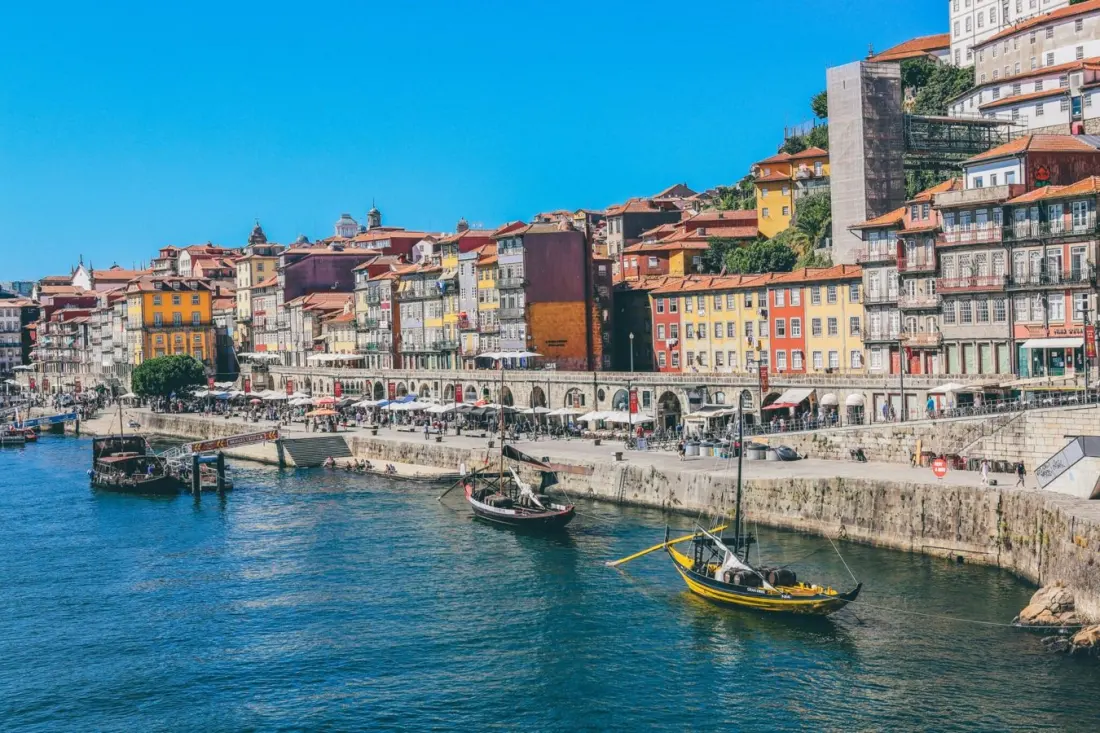
Why should this matter if you're planning a Porto trip? The city remains one of Western Europe's most popular short-break destinations, and the vast majority of visitor experiences centre on the Ribeira, Clérigos and the wine lodges of Gaia. But Pasteleira, Fluvial and Aleixo sit along the western stretch of the riverfront that some visitors wander into via the coastal path or on the way to the sea at Foz. If you're staying in an apartment in these neighbourhoods — an increasingly common choice as central Porto fills up — it's worth knowing the council has flagged these streets for cleanup and extra patrols, and that visible change will take months, not days. Keep to well-lit main routes after dark, as you would in any large city, and don't be alarmed by a heavier police presence than you might expect: it's part of this plan.
The wider story is one familiar to many European city break destinations — tourism booming while a handful of residential edges struggle with social problems that no single agency can fix alone. Whether Porto's joined-up approach delivers is the question residents intend to keep asking.
First reported by Portugal Resident.