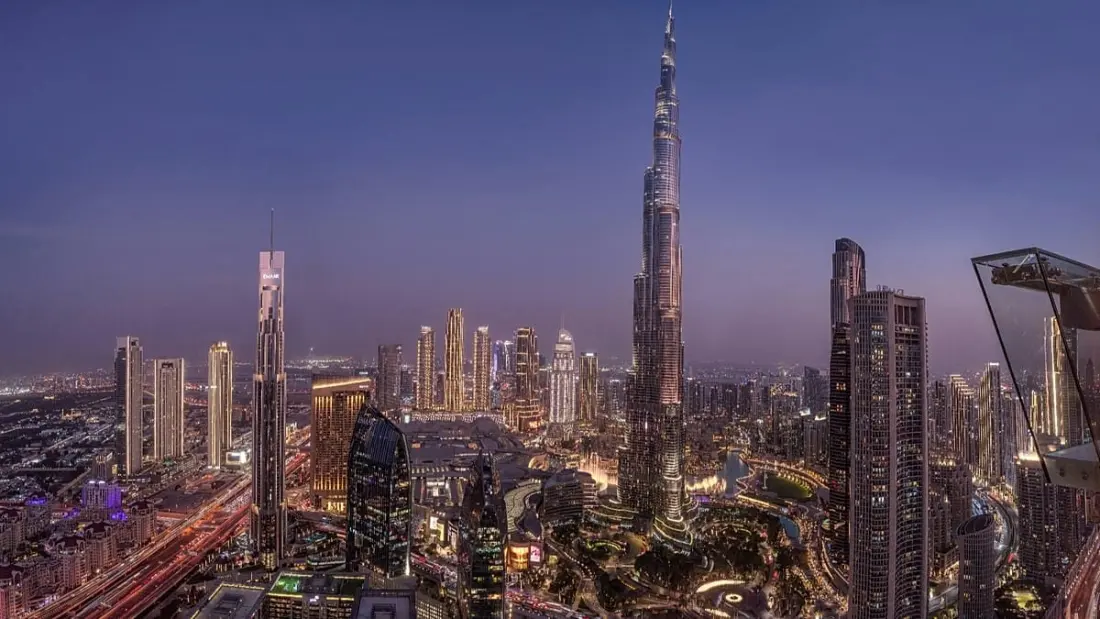
Travellers are getting pickier — and smarter with their money. That's the picture from the Arabian Travel Market in Dubai, where the ATM Travel Trends Report 2026, produced with Tourism Economics, laid out how the next few years of travel will look.
First, the rebound. After a rough 2026 for Middle East tourism — regional conflict has knocked visitor numbers, flight capacity and hotel bookings — the forecast is bright. International travel across the Middle East, North Africa and South Asia is expected to grow 17% in 2027, more than double the projected global rate of 8%. Visitor spending in the Middle East alone is forecast to rise by $116 billion between 2025 and 2030. "Consumers are treating travel as essential," said Tourism Economics' Dave Goodger, who expects structural growth rather than a one-off bounce.
The most interesting shift is how people spend. Luxury isn't going away — nearly 80% of prospective Middle East visitors prioritise it — but the new word is "premiumisation": splashing out on the parts of a trip that matter most, and cutting back elsewhere. The report found 35% of travellers are keener on premium experiences than two years ago, yet many will happily downgrade the hotel to afford that one unforgettable activity. Value hunting and indulgence now sit side by side.
Where people go is changing too. Over half of travellers surveyed (56%) are hungrier for new destinations than two years ago, rising to 68% among those eyeing the MENASA region. First-timers still want the Eiffel Tower and Buckingham Palace, but repeat travellers are pushing into secondary cities and lesser-visited regions. Experience-first planning is part of this: pick the food scene, the sport or the cultural experience, then build the trip around it.
Crowds are also reshaping calendars. Three in 10 travellers now avoid destinations because of overtourism, and seasonality is flattening as people deliberately travel in shoulder months for a calmer experience. Event tourism is another strong driver — three in 10 are more interested in event travel than two years ago, spanning sport, music, culture and religious gatherings, with the Middle East a notable beneficiary.
The biggest behavioural change may be how trips get planned. AI chatbots are moving into mainstream trip discovery: 28% of prospective Middle East visitors have used one, versus 12% of travellers headed elsewhere. Conversational queries — "where's good for a quiet food-focused week in October?" — could surface destinations that keyword searches never would, and the report stresses that destinations now need to be visible on these new platforms.
Why should a holidaymaker care? Because these trends are already shaping prices, flight routes and hotel strategies. Booking shoulder-season, being flexible on accommodation while splurging on experiences, and letting AI tools surface places you'd never have searched for are all becoming the smart way to travel — and 2027 looks like the year the industry rewards it.
Reporting: Euronews Travel