
Skip the queue for Rome and Prague. Travel readers have been voting on their favourite smaller European cities, and the list is a useful riposte to anyone convinced you need a capital for a proper city break.
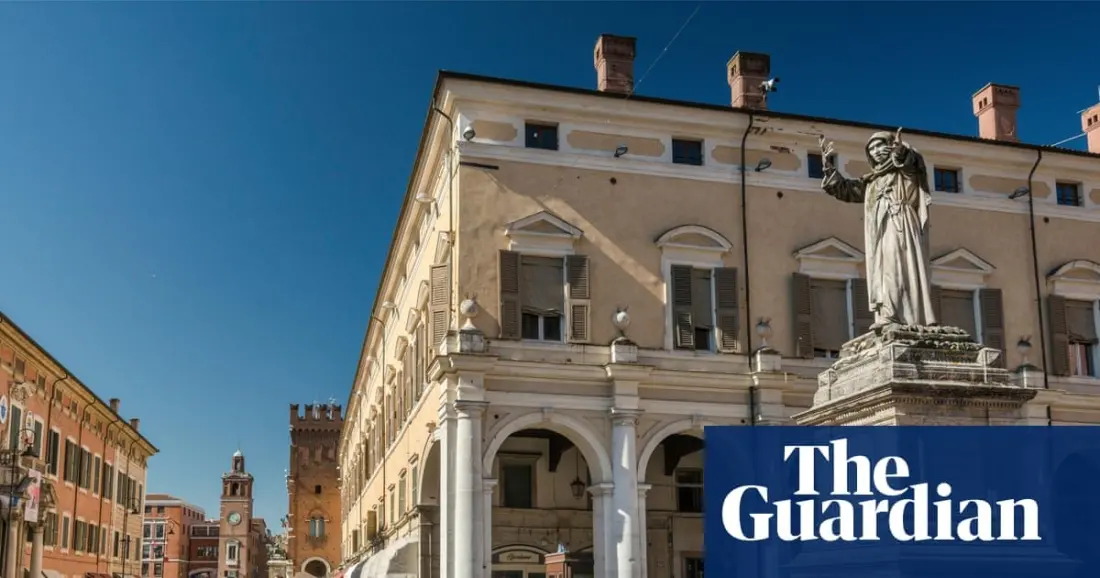
In Italy, Ferrara was praised as the country with the volume turned down: near-empty Renaissance galleries at the Palazzo dei Diamanti, quiet cobbled lanes around Via delle Volte, and evening bike rides to trattorias serving pumpkin cappellacci. Cagliari in Sardinia made the cut for Poetto beach – one of Europe's prettiest city beaches – plus a buzzing indoor market, rooftop views from the Bastione St Remy and affordable seafood like the chargrilled bream at Trattoria Lillicu.
Germany's offering is Hanover, a city with an unfair reputation for dullness. Readers pointed to the Sprengel modern art museum, the baroque Great Garden at Herrenhausen, the Eilenriede city forest (nearly twice the size of Central Park) and a lake you can cruise with a bus ticket. Spain's entry is León, still under the British tourist radar, where the cathedral's stained glass stopped one reader in their tracks, with the ninth-century San Isidoro basilica as a quieter counterpoint.
France contributes twice. Arras, just 35 minutes by train from Lille, pairs two Unesco sites – the town hall belfry and the Vauban Citadel – with the 10th-century Boves tunnels beneath the streets and one of the biggest Christmas markets north of Paris. Saint-Malo offers walled streets, shifting beaches, a tidal swimming pool and cider at La Passage, with August temperatures rarely topping 25C.
Further north, Malmö is an easy add-on to Copenhagen via the bridge: free contemporary art at Malmö Konsthall, the twisting Turning Torso skyscraper in the Western Harbour, classic cakes at Cafe Hollandia, and the deliberately provocative Disgusting Food Museum next door. In the Netherlands, Leiden was the winning tip – canals, brick mansions and Rembrandt-era corners barely changed, plus a canal ice rink at Christmas. Norway's Ålesund, rebuilt in art nouveau after the 1904 fire, delivers Aksla viewpoint views, a clifftop descent of 418 steps and fjord trips to Geirangerfjord. Portugal's pick was Loulé, ten miles inland from Faro, where the Loulé Criativo network keeps traditional weaving, watchmaking and stringed-instrument crafts alive – and lets visitors try their hand.
The common thread: these cities reward a slower pace. You can see the headline sights without booking time slots, eat well without hunting reservations, and walk or cycle most of it. They suit long weekends, especially shoulder-season trips when even the Christmas markets and art nouveau streetscapes feel like local secrets rather than attractions. If your last city break felt like a queue with a gift shop, one of these might reset your expectations.