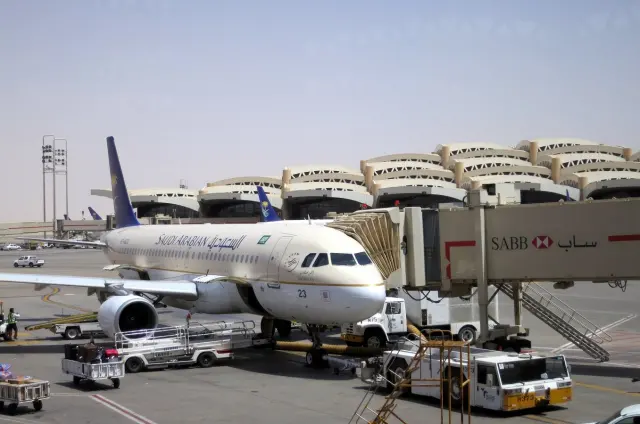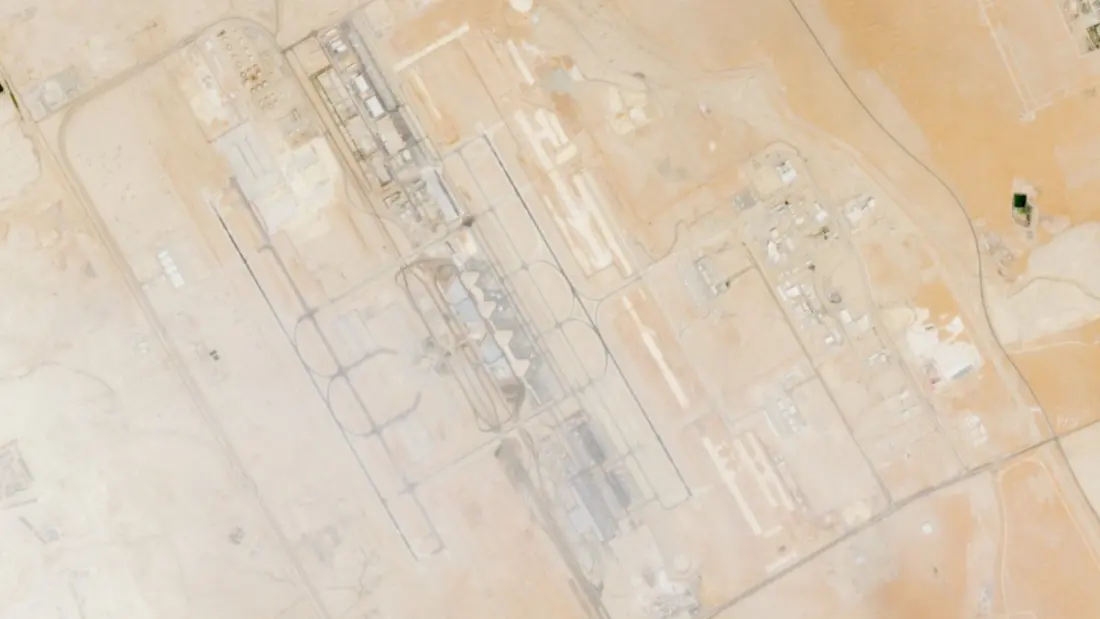
A Houthi missile strike on Riyadh's King Khalid International Airport on Saturday has killed 12 people and wounded more than 300, according to Saudi aviation authorities, and left the kingdom's busiest air hub closed on Sunday. The attack marks a serious escalation in the war between Yemen's Iran-backed Houthis and Saudi Arabia, and it lands at an already volatile moment for the wider region.
The international response was swift and unusually broad. UN Secretary-General Antonio Guterres said he was deeply shocked, stressing that attacks on civilians and civilian infrastructure breach international law and must stop. EU Commission chief Ursula von der Leyen called it a dangerous escalation, accusing Iran's proxies of pushing the region into a spiral of violence and destabilising key global transport and energy nodes. Germany's foreign minister went further, labelling it a terrorist act against Saudi Arabia and civil aviation, while France — which already provides troops and equipment to Riyadh — pledged continued solidarity. The UK and the US also condemned the strike, and President Donald Trump said Washington may join Saudi strikes against the Houthis.
Regional and Muslim-majority allies lined up as well. Pakistan's Prime Minister Shehbaz Sharif reaffirmed his country's commitment to Saudi sovereignty, Malaysia's Anwar Ibrahim urged diplomacy before the conflict widens, and Bangladesh confirmed two of its nationals were among the dead. Syria, too, condemned the attack, calling Saudi security integral to its own.
On the ground, the disruption is immediate. Saudi authorities kept King Khalid International Airport shut on Sunday, moved schools in Riyadh online, and are braced for the Houthis, who have threatened further airstrikes across the kingdom. With the airport handling the bulk of the capital's international traffic, flights in and out of Riyadh face cancellations and rerouting while the closure lasts.
For travellers, the practical picture is simple: avoid non-essential travel to Saudi Arabia for now, and if you have flights booked through Riyadh, contact your airline before heading to the airport — many carriers are waiving change fees on affected routes. Check your foreign ministry's travel advice, which for several countries already warns against travel near the Yemeni border and flags the risk of further strikes. Travellers with connections through Gulf hubs may want to consider routing via Doha, Dubai or Abu Dhabi until the situation clarifies, though airspace across the region can shift quickly when tensions rise.
Anyone already in Saudi Arabia should monitor local guidance, keep away from large gatherings, and register with their embassy if their government offers that service. Travel insurance policies often exclude coverage in destinations under formal 'do not travel' advisories, so it's worth reviewing your policy's terms before deciding whether to proceed with or postpone a trip.
The broader worry, as von der Leyen's comments suggest, is that an attack on a major civilian airport sends shockwaves well beyond one terminal — affecting air routes, energy prices and regional stability. Watch this space: the closure of such a central hub is a strong signal that the situation is far from resolved. Daily Sabah Travel