Two airports in Saudi Arabia came under attack on consecutive days this week, leaving three people dead and 36 injured, according to the kingdom's General Authority of Civil Aviation.
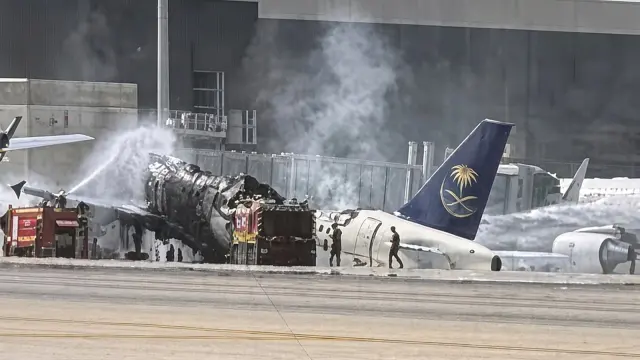
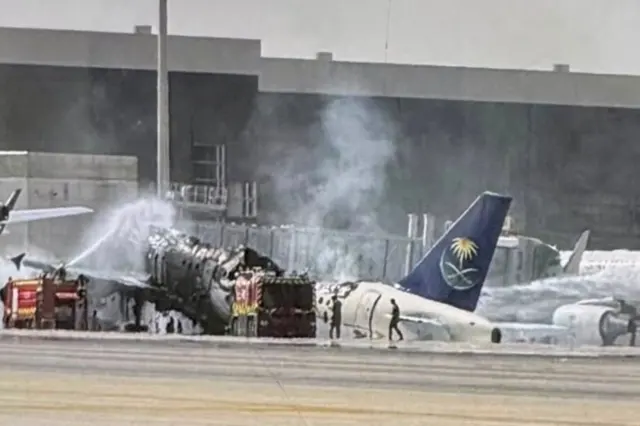
The first strike hit Abha International Airport in the country's southwest on Tuesday, 6 October. Two female residents — one Moroccan and one Algerian — were killed, and 28 people were injured, among them Saudi citizens plus a Bangladeshi and a Filipino resident.
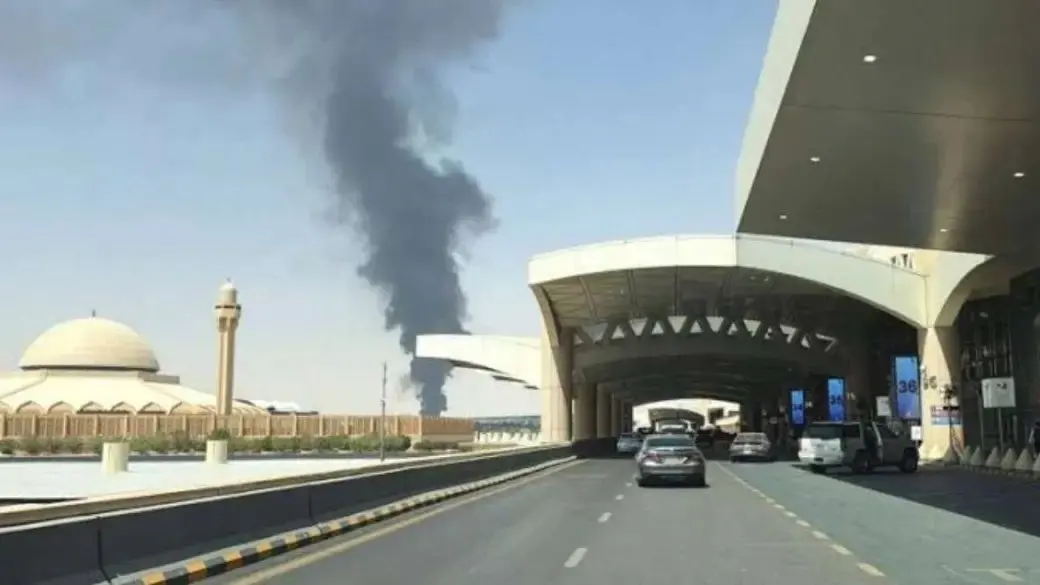
A day later, on Wednesday 7 October, King Khalid International Airport in Riyadh was hit. Eight people were hurt: five Saudis, two Egyptians and one Pakistani, with injuries ranging from minor to critical. A Sudanese resident was killed. Egypt's foreign ministry said it was following the condition of the two injured Egyptians and had instructed its embassy in Riyadh and consular officials to keep working with Saudi authorities. Cairo also condemned the attacks and voiced solidarity with Riyadh, warning the escalation threatened regional stability.
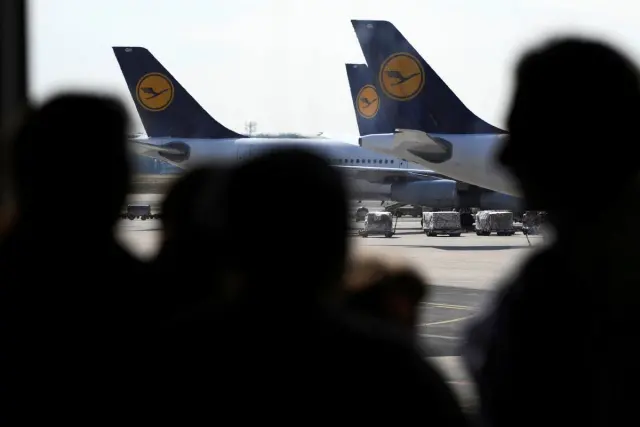
Saudi aviation authorities say all the wounded were taken to hospital and that both attacks caused property damage. The Houthi movement, fighting in nearby Yemen, has claimed responsibility for strikes on Saudi airports — and the consequences for travellers are already being felt. Several international airlines, including Lufthansa and Air India, have suspended flights to Riyadh, according to Reuters.
Why it matters if you're travelling: if you have flights booked to or through Riyadh, or you're planning a trip via Abha, check your airline's latest updates before heading to the airport. Suspensions can change quickly, and some carriers may reroute or cancel at short notice. Anyone in Saudi Arabia — resident or visitor — should also follow local guidance from their embassy and avoid airport areas beyond their own departure or arrival needs while the situation is unsettled.
This is a fast-moving story, and airlines typically review such suspensions every few days, so travellers with trips in the coming weeks should keep an eye on both carrier notices and their foreign ministry's travel advice for Saudi Arabia. Travel insurance policies may also have specific clauses around conflict-related disruption, so it's worth confirming your cover if your plans involve the region.