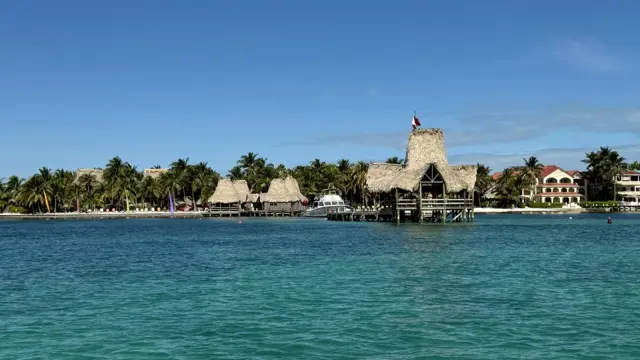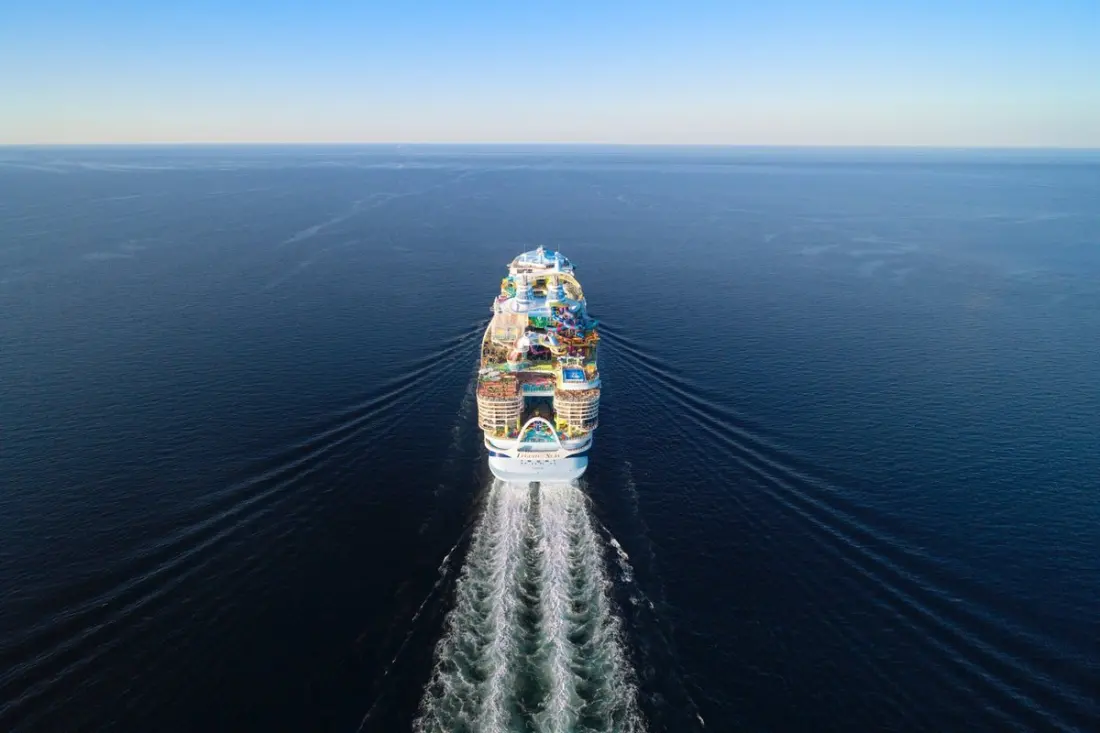
The company behind Royal Caribbean, Celebrity Cruises and Silversea has bought half of Sandals Resorts International — the Jamaica-founded operator of Sandals and Beaches all-inclusive resorts — in a deal worth roughly $3 billion (£2.27 billion). It's a striking move: the world's biggest cruise operator now owns a major slice of Caribbean land-based hospitality.
For now, the joint venture says its focus is supporting and growing Sandals' existing portfolio of 17 properties across the Caribbean. But analysts are already looking further ahead. The obvious possibilities include combined cruise-plus-resort packages, or Royal Caribbean launching its own branded hotels and resorts. The joint venture will be run by a board co-chaired by Royal Caribbean chief executive Jason Liberty and Sandals chief executive Adam Stewart, son of founder Gordon 'Butch' Stewart.
The deal fits a pattern. Royal Caribbean has spent recent years building out its own destinations alongside its megaships: a Royal Beach Club opened in the Bahamas last year, a second followed in Santorini this summer, and guests on Caribbean sailings can already use the line's private CocoCay island. A club at Lelepa in Vanuatu is in development for the South Pacific, and the Perfect Day Mexico experience is scheduled to open in 2027. Owning resorts is the logical next step — the line keeps guests inside its own ecosystem from the airport to the ship to the beach chair.
For travellers, the effects may take a while to show up, but they could be significant. Cruise-and-stay holidays — a week on a ship followed by a week at an all-inclusive — have always required stitching together two different companies. If Royal Caribbean starts selling them as single packages, that gets easier, and possibly cheaper. Loyalty points and onboard credit stretching to land stays is another plausible perk, though nothing has been announced yet.
Sandals and Beaches fans shouldn't expect overnight changes. The resort brand's identity — adults-only Sandals for couples, family-friendly Beaches — stays intact, and the immediate emphasis is investment in existing properties rather than rebranding. If anything, the backing of a cruise giant with deep pockets could mean faster renovations and new openings across the Caribbean, where the company has operated since 1981.
The wider context is an industry consolidating around 'destination ownership'. Cruise lines are increasingly building or buying their own beaches, ports and now hotels, partly to control the guest experience and partly to capture spending beyond the ship. Anyone planning a Caribbean holiday in the next few years may find more of their trip — whether at sea or ashore — is run by the same handful of companies. That could mean smoother, bundled holidays; it could also mean fewer alternatives if one operator's prices climb. Worth keeping an eye on when booking either a cruise or an all-inclusive in the region.