
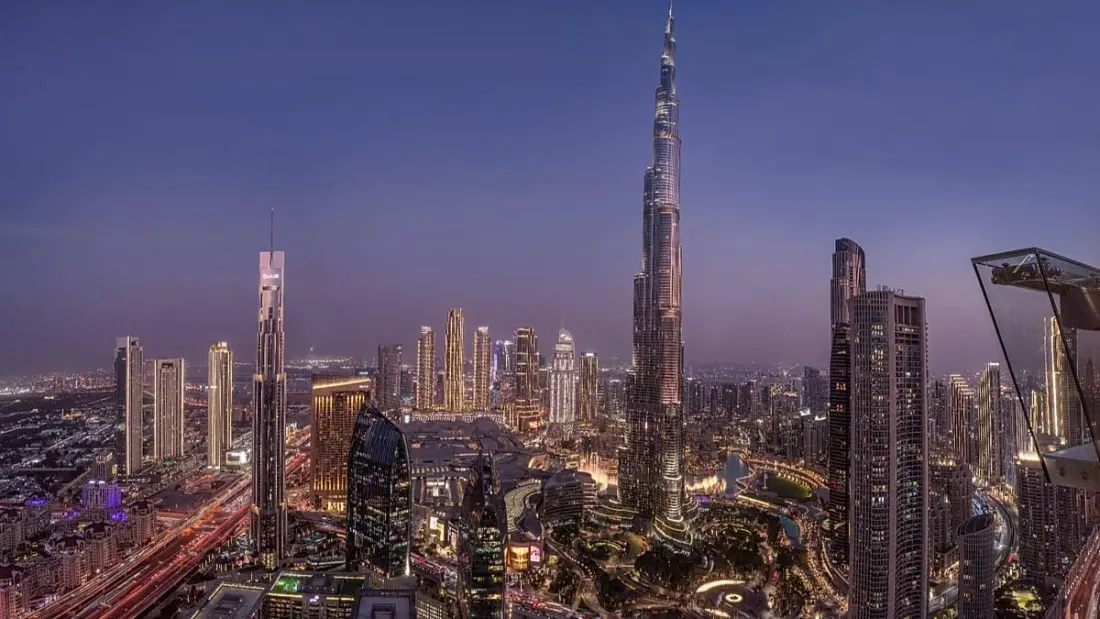
Travel may have taken a hit in 2026, but the people who forecast these things are unusually upbeat about what comes next. At this year's Arabian Travel Market in Dubai, the ATM Travel Trends Report 2026 — produced with Tourism Economics — predicted that international travel across the Middle East, North Africa and South Asia will grow 17% in 2027, more than double the expected global rate of 8%. Visitor spending in the Middle East alone is projected to jump by $116 billion between 2025 and 2030.
The interesting part is how people plan to spend that money. The headline trend is "premiumisation": rather than trading up across the board, travellers are becoming picky about where the extra cash goes. Nearly 80% of prospective visitors to the Gulf prioritise luxury, and 35% of travellers surveyed say they're more drawn to premium experiences than two years ago — but that often means downgrading the hotel to afford the meal, the tour or the activity that actually motivated the trip. Frugality and indulgence are coexisting, not competing.
Destination choices are shifting too. More than half of travellers (56%) are keener to explore somewhere new than they were two years ago, and that climbs to 68% among people eyeing the MENASA region. First-timers still want the Eiffel Tower and Buckingham Palace; repeat travellers are the ones heading to secondary cities and lesser-known regions. Overtourism is quietly reinforcing this — three in 10 travellers now avoid places because of crowds, and many are shifting trips out of peak season entirely, which is flattening the old high/low season divide.
Two other currents are worth noting. Event-driven travel is booming, with three in 10 travellers more interested in trips built around sports, music, cultural or religious events than before — a trend especially strong in the Middle East, where business-event attendance has nearly doubled over the past decade. And AI is quietly rewiring how trips get discovered: 28% of prospective Middle East visitors have already used an AI chatbot to plan a trip, versus 12% of travellers bound elsewhere. As people swap keyword searches for conversational ones, the destinations that surface in those chats will win attention.
Why should a holidaymaker care? Because these trends are already visible in what's on sale. Expect more airlines and hotels selling à la carte upgrades rather than blanket luxury, better value in shoulder-season dates, growing infrastructure in places you'd previously overlooked, and package trips built around a single big event. Underlying it all, says Tourism Economics' Dave Goodger, is a simple shift: even in a rocky year, people now treat travel as essential rather than optional — they're just choosier about how it's spent.