Spain is not short of showstoppers, but a panel of editors at Condé Nast Traveller Spain has narrowed it down to seven — and the list skips most of the usual beach hotspots in favour of palaces, deserts and Roman ruins.
Unsurprisingly, the Alhambra in Granada tops the lineup. Built as the fortress of the Nasrid Sultans, the last Muslim rulers of Spain, it's less a palace than a small city — all sandy-coloured walls, Moorish detail and tinkling water features. You could happily lose half a day in there.
Further north, Galicia's Ribeira Sacra might be the pick for travellers who like their wonders without the queues. Cliffs drop some 1,640 feet through terraced vineyards down to the gorges of the Sil and Miño rivers, with Romanesque monasteries, ancient forest and orange groves tucked along the walking trails.
The Mezquita in Córdoba is possibly the country's strangest building: begun as a basilica, converted to a mosque in 786, then turned into a cathedral in 1236. The result — red-striped arches crowned by Gothic, Renaissance and Baroque additions — earned World Heritage status in 1984. The timing advice is solid: go at opening time, or stay for the night-time light and sound show.
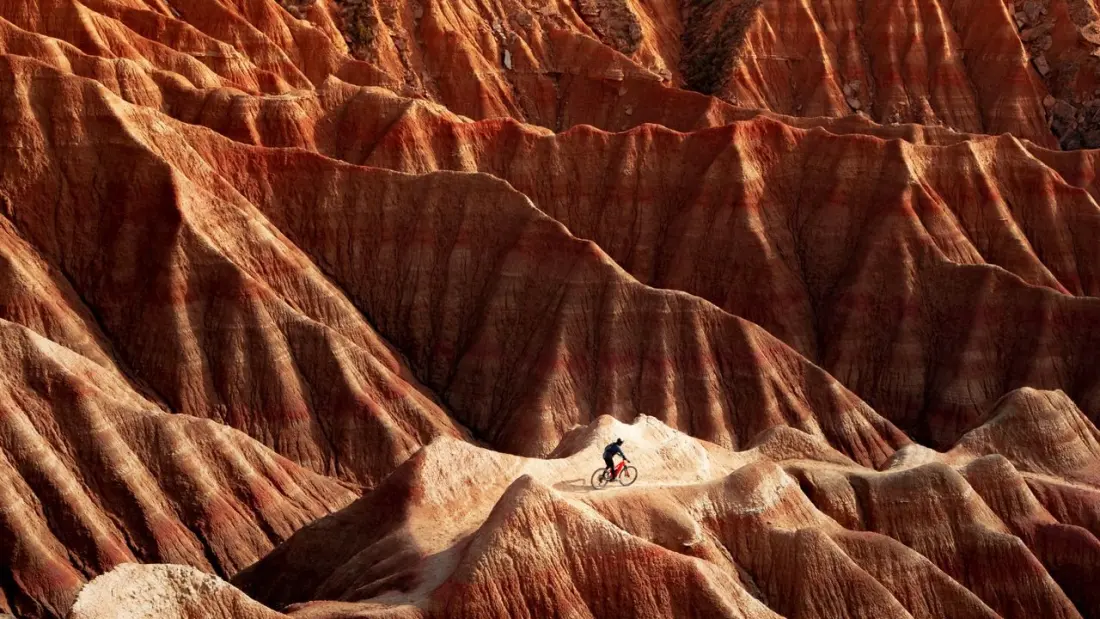
Two natural wonders make the cut. On Tenerife, Teide National Park is home to Spain's highest peak, the 12,200-foot El Teide volcano — hike it or take the cable car, and book a guided stargazing session if you can. In Navarra, the Bardenas Reales is a genuine semi-desert spread over more than 100,000 acres, a UNESCO-protected reserve where you can mountain bike, hike or join off-road tours through some of Europe's most surreal terrain.
History lovers get two entries too. Mérida's Roman Theatre, built between 16 and 15 BCE in what is now a UNESCO World Heritage City, once seated around 5,000 spectators and still stages performances thanks to its remarkable acoustics. And along the coast of Almería province, the Cabo de Gata nature reserve serves up volcanic cliffs, hidden coves and long soft-sand beaches — arid and lunar-like in winter, lush and green by spring.
The appeal of this list is how much of it lies beyond Madrid and Barcelona. A trip chasing all seven would take you from Andalusia to the Canary Islands and up to Galicia — a proper cross-section of the country, covering Moorish architecture, Roman engineering, wine country, desert and coast. It's a strong blueprint for a second (or third) trip to Spain, when the obvious cities are done and the wilder corners beckon. Editors at Condé Nast Traveller Spain made the call; the original list appeared on Condé Nast Traveller UK.