America's 63 national parks are meant to be for everyone, but some are a lot more forgiving than others. A recent rundown highlighted six parks where altitude, remoteness, ladders or long boat rides can turn a family trip into a slog for anyone with small children or less mobile travellers in the group.
Denali in Alaska tops the list for sheer logistics. Beyond the first 15 miles of the park's single 92-mile road, the only way in is by shuttle or tour bus — a four-to-five-hour ride each way for many highlights. Trails are gravelly and can hit 25% grades, medical services are thin on the ground, and weather turns fast. That said, the buses are wheelchair accessible, there are ADA-compliant trails, and parents report toddlers often sleep through much of the ride.
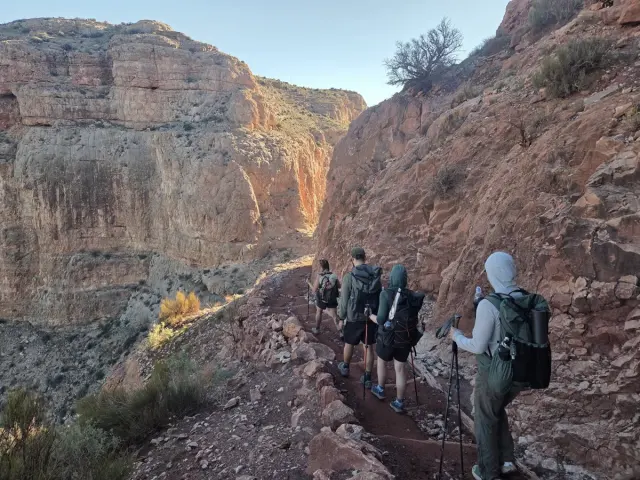
Mesa Verde in Colorado sits above 7,000 feet, and its famous Ancestral Puebloan cliff dwellings demand stairs, uneven trails and even 15-foot ladders — the Long House tour covers 2.25 miles on foot. The National Park Service cautions visitors with heart or respiratory conditions. If climbing isn't an option, several dwellings can still be appreciated from car-accessible overlooks, and the park doubles as an International Dark Sky site.
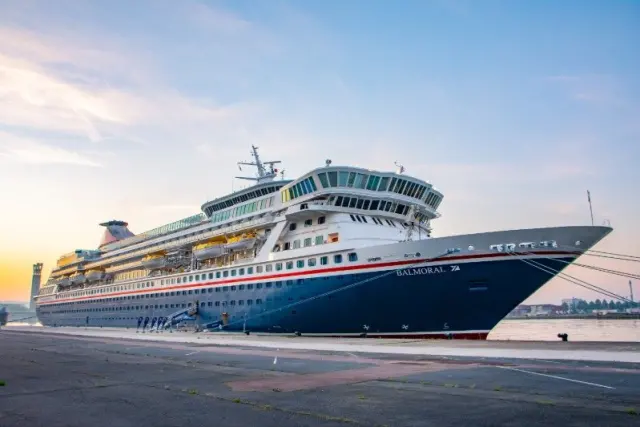
Dry Tortugas, 70 miles west of Key West, involves a 2.5-hour ferry crossing with the possibility of rough seas, and there's no drinking water, food or shops once you arrive. No lifeguards patrol the beaches either. The upside: zero hiking required, sea turtles, around 300 bird species, and a giant 19th-century fort that kids love clambering around.
Canyonlands in Utah is enormous — the state's largest park at nearly 338,000 acres — and driving between districts can take two to six hours. Backcountry roads often need high-clearance vehicles, cell service is patchy, and summer heat is a real risk. But Island in the Sky rewards non-hikers: most of the big views come straight off scenic pullouts.
Isle Royale in Lake Superior may look Caribbean-turquoise, but it's car-free, reachable only by ferry or seaplane, and any medical emergency means a weather-dependent evacuation. Lodging is so scarce it books up a year ahead. Moose, foxes and loons can still be seen around Rock Harbor without a serious hike.
Finally, Carlsbad Caverns in New Mexico requires a steep descent — the Natural Entrance Trail drops 750 feet over 1.25 miles — with some caverns involving ladders and rough ground. The NPS flags it for anyone with heart or breathing issues.
The takeaway isn't to skip these places. It's that each one rewards planning: book tours and lodging far ahead, know where the nearest medical help is, and build in alternatives — overlooks, boat tours, accessible shuttles — so the less hardy members of your group still get their money's worth.