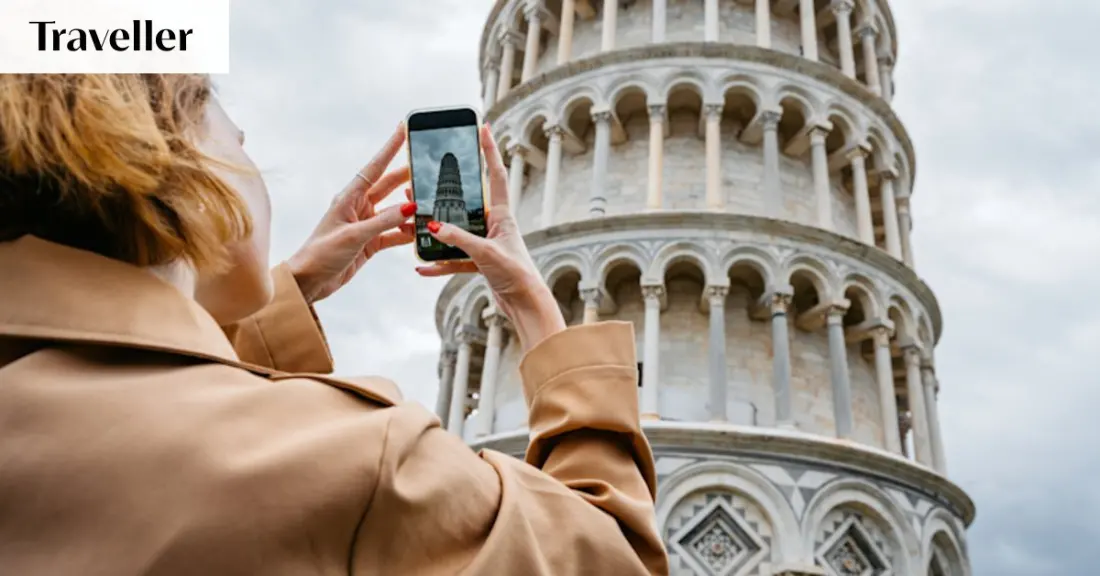
A fashion photographer once gave a traveller chasing the perfect Japan camera the best gear advice going: the best camera is the one already in your hand when the magic happens. On most trips, that's your phone — and photographer Hayley Andersen has a stack of practical tricks for squeezing far better shots out of it.
The timing is apt. There's a mini backlash against phone photography underway, with Gen Z lugging around vintage point-and-shoots or the Fujifilm X100VI, or faking the retro look with apps like Dazz Cam and Leica Lux. Meanwhile Apple has just launched the iPhone 18 Pro and Pro Max, each with three 48-megapixel cameras including an adjustable-aperture main lens and a dedicated telephoto — well suited to travel's greatest hits of landscapes, food, architecture and portraits, plus more manual controls for anyone who wants them.
The foldable iPhone Duo makes a different pitch, aimed squarely at solo travellers and couples. You can frame selfies on the outer screen while using the higher-quality rear cameras, so you're no longer guessing whether you and the Eiffel Tower are both in shot. Its smart timer works out when everyone's actually ready, then keeps shooting until you stop posing, and the foldable design props itself up — no more asking a waiter to take the couple photo.
But you don't need any of that. Andersen's tips work on whatever phone you own. First: light. Make sure it's falling towards your subject, not behind them, especially indoors. Then pull the exposure down for a crisper image in almost every situation — the exception is the beach, where nudging it up about 0.5 makes the water brighter and bluer.
Other quick wins: clean your lens (the most overlooked fix there is), and stick to your phone's set focal lengths like 0.5x, 1x and 2x — zooming in between them wrecks quality. iPhone users should switch on ProRAW for 48-megapixel files with far more editing flexibility, particularly for big landscapes. At night, take the phone off auto and dial exposure down so highlights aren't blown out; with a tripod, a very dark sky and Night Mode at 30 seconds, you can even shoot the Milky Way. Turn HDR off for a more natural look, and film video in 4K.
Two clever hacks worth stealing. For group shots, set the phone on a tripod, film everyone in 4K on the rear camera, then screenshot the frames you like — the quality holds up and you get candid moments instead of one stiff pose. For food, try unusual focal lengths: zooming into a dish at 4x or 8x can look strikingly good.
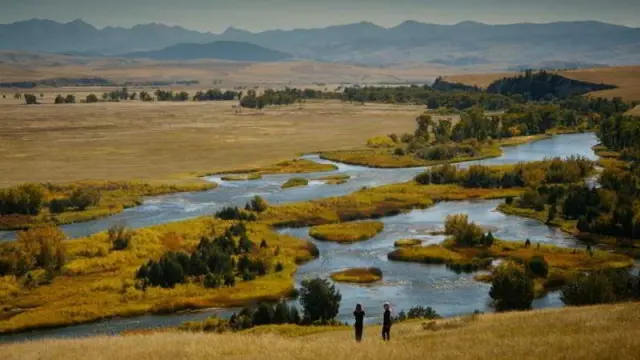
The most common mistake, Andersen says, is not checking what's actually in the frame — too much ground or sky, no story. Turn on grid lines, then move around, get low, and look at what's around you before you shoot.
Who's this for? Anyone who'd rather come home with photos worth keeping than a heavier bag. The gear debate aside, the phone in your pocket is already good enough — these tips just help you prove it.