
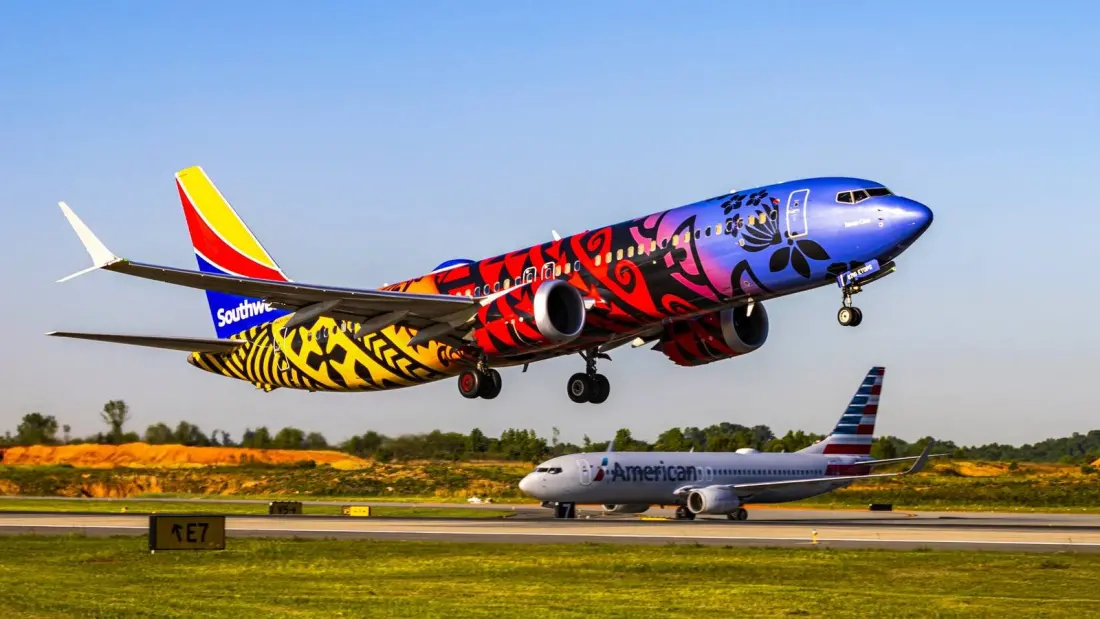
Southwest Airlines is spending big on airport lounges, and the bill at Nashville International alone is around $53 million for a facility of roughly 30,000 square feet. That is a striking number for a carrier with no first class cabin to funnel passengers into - and it is only the most visible piece of a much larger plan.
The Nashville lounge makes sense partly because of Southwest's dominance there: the airline carries a majority of the airport's passengers, so the project is less about inventing demand and more about persuading existing customers that a pre-flight upgrade is worth paying for. A space that size is a full hospitality operation too, with staffing, food and drink, cleaning and maintenance all needing steady revenue to justify it.
Without premium cabin fares, Southwest is funding this through other means. Assigned seating went live on January 27, 2026, ending the open-seating era after 55 years, and the new tiered cabin - Standard, Preferred and Extra Legroom with up to five extra inches of pitch - is expected to generate around $1 billion in incremental pretax earnings in 2026, rising toward $1.5 billion in 2027. Customer uptake has been strong: roughly 60% of passengers bought up from the base fare in early 2026, versus about 20% a year earlier.
The real engine, though, may be plastic. A new premium Rapid Rewards credit card issued by Chase launches in 2027 and will act as the gateway to the lounge network, with reports pointing to an annual fee somewhere between $500 and $600. That model keeps lounge crowds manageable while earning Southwest money even in months when a cardholder never sets foot in one. It also deepens a Chase partnership the airline describes as 30 years old.
The network is bigger than Nashville. Confirmed and planned locations include Honolulu, Austin-Bergstrom and Baltimore/Washington, with construction underway and first openings expected in late 2027 - and at least seven more lounges to follow, potentially 11 or more in total. International interline deals with EVA Air, Icelandair, LOT Polish Airlines and China Airlines add another layer, letting Southwest feed passengers to partners at West Coast gateways and giving premium travellers more reasons to stay loyal.
Why it matters for travellers: if you fly Southwest regularly, the ground experience is about to change in ways that were unthinkable under the old open-seating model. Frequent flyers who take the new Chase card will get lounge access at key Southwest hubs, while anyone booking from early 2026 onwards will be choosing between seat tiers rather than gambling on a boarding position. For competitors, it is evidence that a low-cost carrier can build a premium ecosystem without ever installing a first class row - and that credit card economics, not cabin real estate, can carry the cost.
First openings are expected in late 2027, so there is time to watch how pricing and access rules shake out before deciding whether the card earns its fee.