A very strong El Niño is forecast for winter 2026–27, with NOAA putting the odds of an intense event by January 2027 at 90% or better — and a 69% chance it becomes the strongest on record since 1950. For skiers, that matters. The pattern, driven by unusually warm tropical Pacific water, tends to shove the storm track south across the US. Translation: wetter weather (and more snow) across the southern tier of the country, while the north is often warmer and drier.
After a disappointing 2025–26 season in much of the American West, the current outlook favors California, New Mexico, Arizona and southern Colorado, with Utah and the northern Rockies harder to call. Early signs are promising — October snow already fell across the Sierra Nevada, Great Basin and central-southern Rockies, hinting at an active southern storm track. Historically, El Niño packs its biggest punch from mid-winter onward, so timing your trip well matters.
Seven mountains stand out. Mammoth Mountain, California's highest resort summit at 11,053 feet with 3,500 acres, is a prime candidate when the Pacific jet dips south. Palisades Tahoe, straddling Lake Tahoe's north shore, offers 6,000 acres and could see 186%–256% of normal snowpack in a strong El Niño cycle. Taos Ski Valley in New Mexico climbs from 9,207 to 12,163 feet and is known for powder that's often even lighter than Utah's — plus an art scene and adobe charm off the slopes. Telluride, Colorado, topping out at 12,570 feet, has a free gondola and a historic walkable town; forecasts there weight snowfall toward early and late season. Arizona Snowbowl is the wildcard: in the last El Niño winter (2023–24) it logged 281 inches and skied until June 1, after just 150 inches last season. Its 777 acres include the largest beginner terrain in the Southwest.
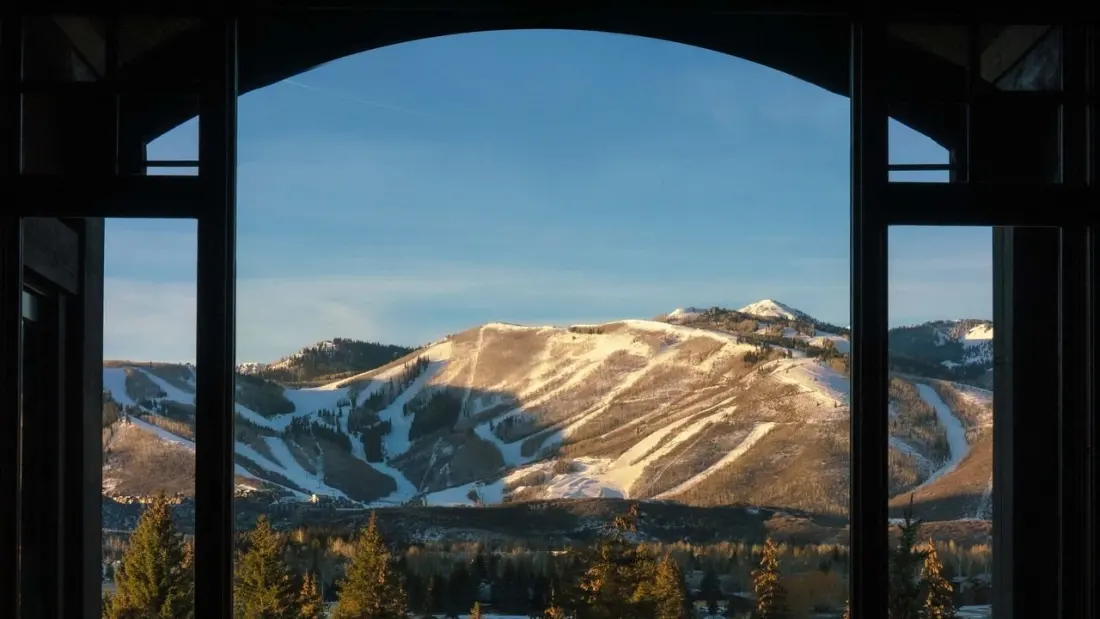
Utah is the toss-up. Park City — 7,300-plus acres, historic Main Street, great après — closed early last April after a warm, dry season, but some of the strongest El Niño winters have delivered there from January through March. Alta, up Little Cottonwood Canyon, could be the sleeper: its high elevation and canyon position can amplify snowfall when Pacific moisture pushes inland, and its famously light powder rewards even a handful of well-timed storms.
The bottom line: aim mid-January to March 2027 for most of these resorts, keep an eye on local forecasts since storms can flip conditions quickly, and don't write off the north entirely. If you've been burned by thin seasons lately, this winter's forecast is a genuine reason to book earlier — and to point south.