A wall of sludge tore through Syaprubesi in Nepal's Trisuli Valley on the morning of 26 August, and the town that once funnelled trekkers towards Langtang now exists mostly in memory. Two weeks on, hundreds of survivors have taken refuge in Kathmandu at the Gosok Phuntsok Choeling Monastery — the 'Yellow Monastery' — which sheltered survivors of the 2015 Langtang earthquake-avalanche too.
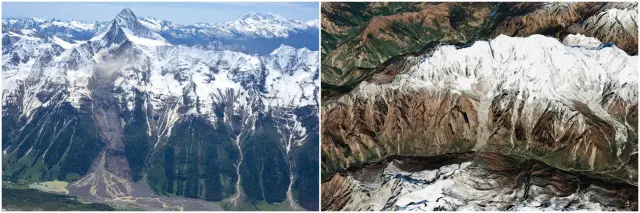
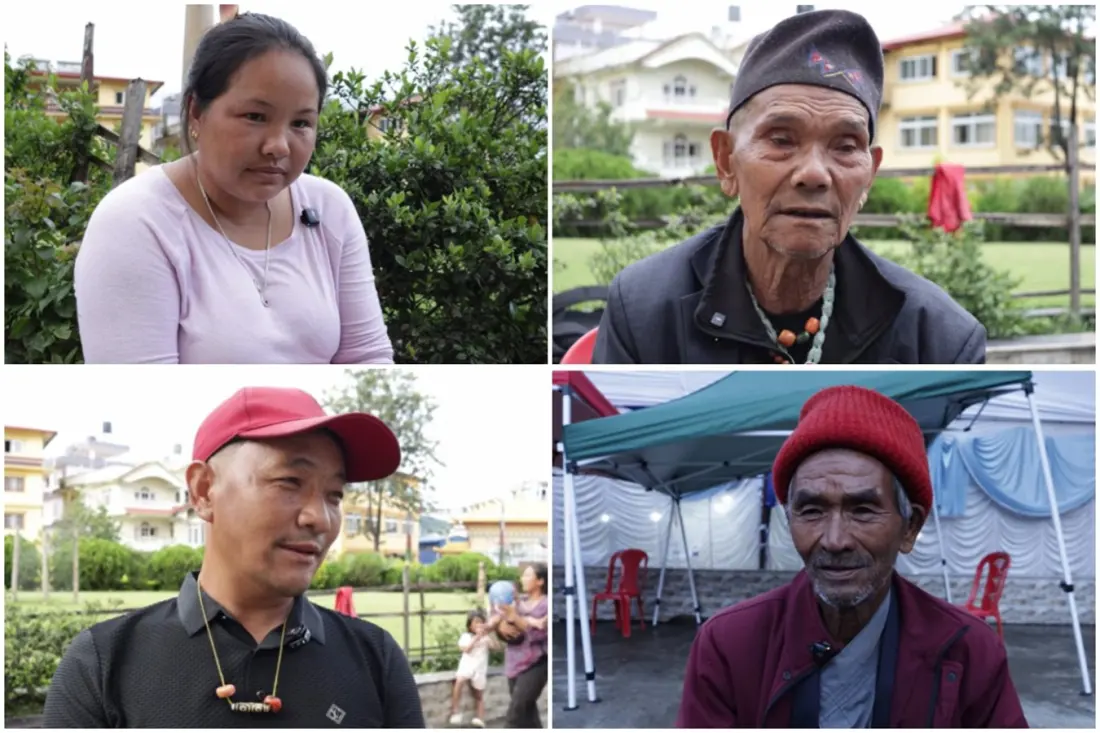
The flood hit at about 8:45am, triggered by a rock-ice collapse on the same mountain that unleashed the 2015 disaster. Shanbu Sherpa, a school caretaker with a paralysed leg, was making breakfast when she heard a roar from the Chilime hydroelectric powerhouse. Assuming an earthquake, her family ran outside — straight into the path of a brown wave that flung debris and swept multi-storey houses away. She told her 16-year-old son to flee and save himself. He refused, and carried her uphill just in time.
Others were less fortunate. Chesang Ghale watched his younger brother disappear in the water; he is still missing. Mingmar Lama, 89, is waiting for news of both his son and his brother, having lost his house, his belongings, six goats and 28 chickens. Kami Ghale, 75, dropped a cooking meal and ran uphill — a reaction that saved his family, since those who paused to gather possessions had no chance. He was evacuated by helicopter to Dhunche, then by bus to Kathmandu. The lower half of the town is simply gone; only houses on the upper slopes survive.
The timing mattered enormously. The flood struck in daylight, on a blue-sky morning when buses were loading passengers for the nine-hour ride to Kathmandu and tourist vehicles were preparing to head to the Chinese border 15km upstream. At night, the death toll would likely have been far higher. Many of those who died were pilgrims — Hindus and Buddhists from around the world — travelling to or from Lake Mansarovar in Tibet, for which Syaprubesi is a stopping point.
Before the flood, the town at 1,500m was thriving on more than trekking. At least three hydroelectric plants were under construction nearby, swelling the population with workers and engineers. But like much of rural Nepal, the permanent residents skew elderly — the young have left for Kathmandu or abroad.
For travellers, the practical reality is that the route to Langtang Valley through Syaprubesi is out of action until roads are repaired, and the region's recovery will take far longer. For now, the monastery is feeding and housing displaced families from its own resources, while survivors wait on government resettlement — and, in the case of mothers like Shanbu Sherpa, on schooling for their children. "I have nothing left," she says. "I only want my children to be able to study."
Anyone planning Langtang-area travel should check current access conditions before setting out, and consider directing support to organisations assisting displaced families in the valley.