Cuba went dark again on Monday, when a failure in the National Electric System knocked out power for more than nine million people across the island. It's the sixth full nationwide blackout in a year and a half, and the cause is still under investigation.
The recovery is patchy. By Tuesday noon, the Ministry of Energy and Mines said seven of the country's 16 thermal power plants were back online and the grid was reconnected from Pinar del Río in the west to Holguín in the east. But outages continue across much of the country, and full reconnection could take days. Three eastern provinces — Santiago de Cuba, Granma and Guantánamo — are still cut off from the national grid entirely, running on microgrids that only power essentials: hospitals, telecoms, water supply and food production. In Havana, roughly 44.5% of customers had electricity back by Tuesday.
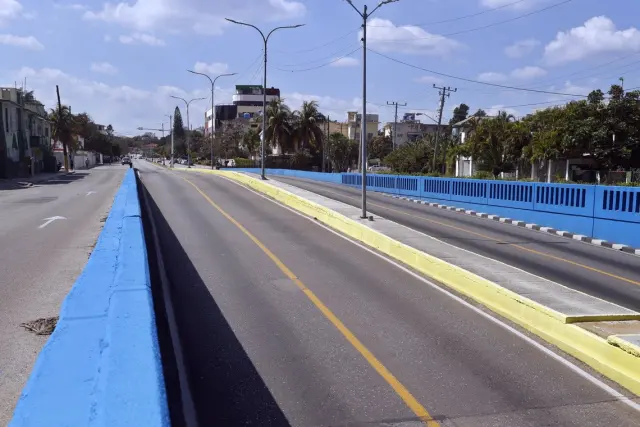
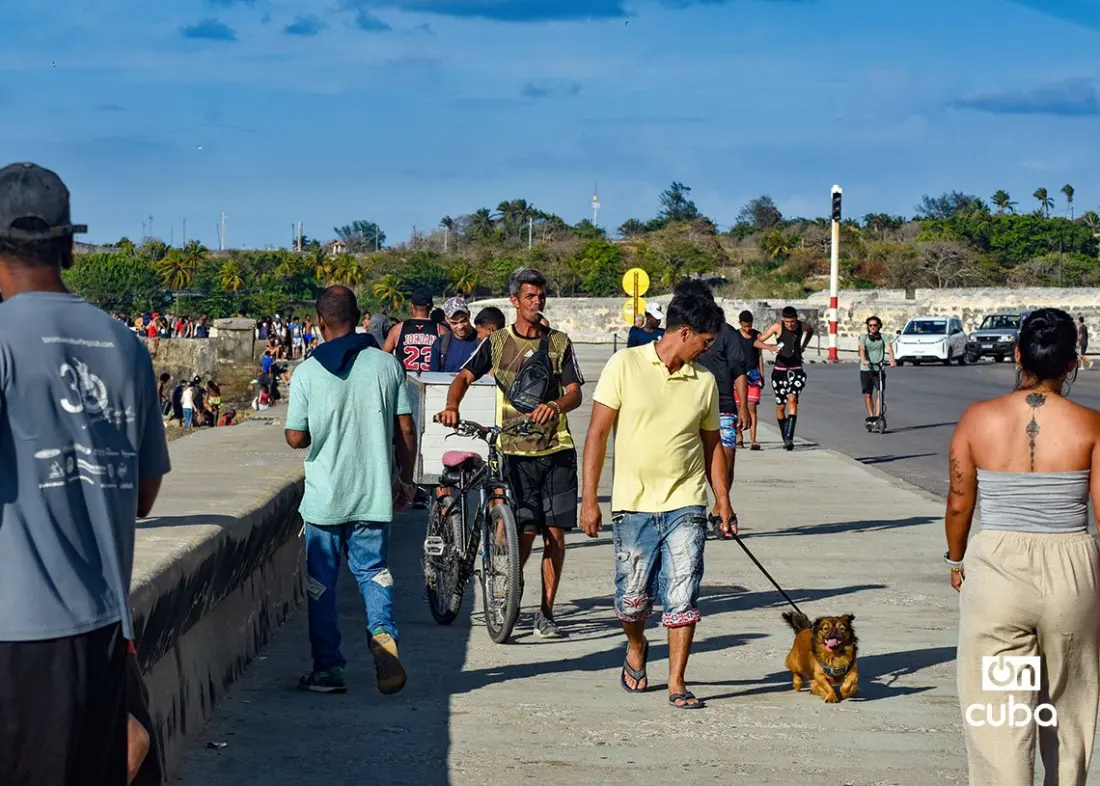
Yet the story on Havana's streets is not just one of grid failure. Photojournalist Otmaro Rodríguez spent Monday walking the city and the Malecón, photographing how Habaneros cope when the lights go out. Neighbours set up on the sidewalks. Young people dove into the sea in front of Morro Castle. Couples strolled hand in hand along the seawall, and older men played chess in the weak light of a doorway. Vendors kept selling, swimmers kept swimming. The city, as the reporting puts it, is a Havana that never quite goes dark.
For travellers, this is the reality check worth understanding before booking. Cuba's power crisis is chronic, not a one-off: rolling blackouts have been part of daily life for months, and this latest collapse shows how fragile the system remains even as tourism is courted back to the island. Hotels in the main tourist zones often run on generators and have kept the lights on through previous outages, but visitors should expect possible interruptions, especially outside resort enclaves and in the east, where reconnection is slowest.
If you have a Cuba trip coming up, build in flexibility. Check whether your accommodation has backup power, keep cash and charged power banks on hand, and don't count on reliable electricity for card payments, wifi or air conditioning during outages. Consider weighting your itinerary towards Havana and the west, where restoration has been faster, while the east gets back on the grid. And if you do find yourself on a blacked-out Malecón at dusk, you'll likely witness something guidebooks can't sell: a city full of people improvising, socialising and swimming their way through the dark.
Who is this for? Anyone planning a trip to Cuba in the coming months, and anyone curious how ordinary life carries on when an entire island loses power — again.