
Boarding is the last hurdle before takeoff, and for many travellers it's the most tedious. But a handful of airlines have turned it into a science, squeezing a full planeload of passengers aboard in a fraction of the usual time. The leaders show how much difference operational design makes.
Ryanair tops the list, boarding some services in 15 to 20 minutes. The Irish carrier targets 25-minute turnarounds so each aircraft can fly four to six sectors a day. Its tactics are aggressive: it starts boarding the next flight before the previous one has fully deplaned, and its strict baggage rules — a 40 x 30 x 20 cm underseat bag on basic fares, with a larger 10 kg cabin bag for Priority customers — keep overhead bin jams to a minimum. Notably, Ryanair spent nearly four decades with unassigned seating before switching to allocated seats in 2014 after the free-for-all caused arguments and injuries.
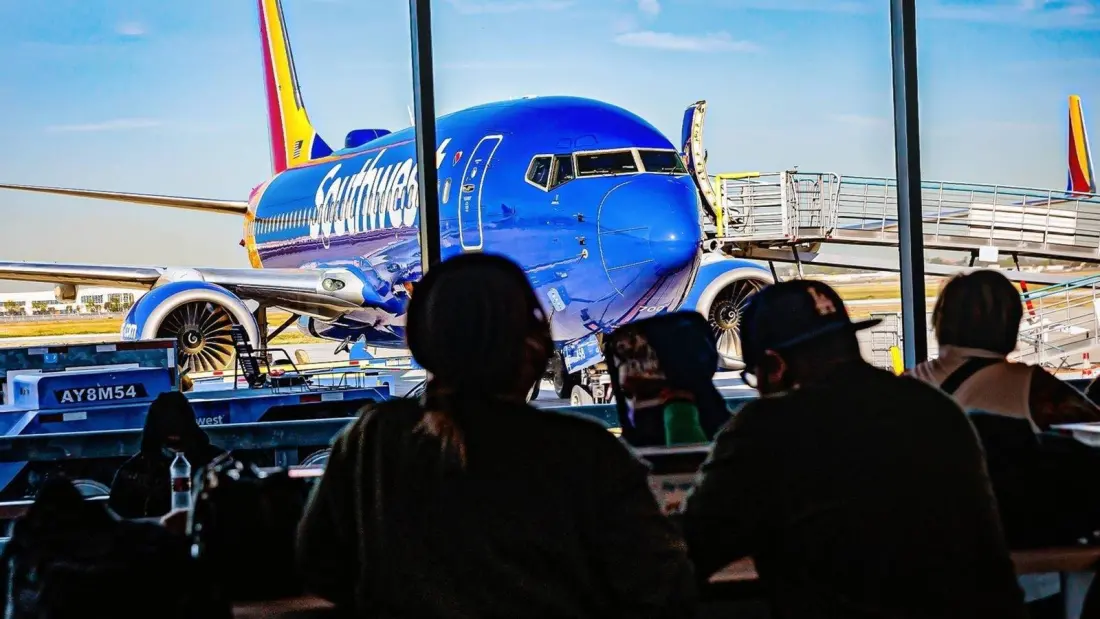
Southwest Airlines has long been the American master of the quick turn, a legacy of 1972 when it sold one of only four planes and had to run its schedule with three, cutting ground time to a famous ten minutes. Its open-seating era lasted over 50 years, but the airline has now overhauled everything: assigned seats, a WILMA boarding order (window, middle, aisle), and — since May 2025 — checked bag fees that may push more luggage into the cabin and slow things down.
easyJet ran a striking trial at London Gatwick in 2019, calling passengers back-to-window first. It loaded 158 people onto an Airbus A320 in just 14 minutes, two to three minutes quicker than standard. The airline never rolled the method out network-wide, but it does board through both front and rear doors when possible and prioritises special assistance, Speedy Boarding and families first. Its move to allocated seating in 2012 followed a trial across 12,500 flights and nearly two million passengers.
Japan's airlines prove speed isn't just a low-cost trick. ANA and Japan Airlines routinely board widebody 777s, 787s and A350s on busy domestic routes in under 20 minutes using WILMA, backed by genuine research: ANA partnered with the University of Tokyo's Nishinari Laboratory, while JAL filmed passengers with a 360-degree camera on an A350-900 and ran roughly 1,000 simulations before updating its domestic boarding in 2024.
For long-haul, United Airlines is the benchmark at around 30 to 35 minutes. It reintroduced WILMA across its network in October 2023 after finding Basic Economy had added two minutes to average boarding times. Rivals American and Delta still use multi-zone systems based on cabin, status and fare type.
Why should a traveller care? Boarding speed shapes how likely your flight is to leave on time, and knowing an airline's system helps you pick the right fare. Priority options, baggage rules and seat selection all change your boarding experience — sometimes the cheap fare is the one that leaves you scrambling for bin space.