Türkiye's state meteorologists have confirmed what anyone who visited the country recently probably suspected: it's getting hotter and drier, fast. According to a new decade-spanning analysis by the Turkish State Meteorological Service, 2024 was the hottest year since national records began, with an average temperature of 15.6°C — beating the previous high of 15.1°C set only in 2023. Then 2025 delivered a different kind of record: the driest year since 1964, with rainfall running 27.6% below normal and deficits exceeding 60% in parts of the southeast.
The most striking number came on July 25, 2025, when the Silopi district of Şırnak province, near the Iraqi border, hit 50.5°C — the highest temperature ever measured in Türkiye. For context, that's five degrees past the point where most weather services issue red heat alerts and advise people to stay indoors.
The Turkish data sits inside a bigger global picture. The report found 2016–2025 was the warmest ten-year stretch ever recorded worldwide, and 2024 set a global average of 15.1°C. The World Meteorological Organization notes that all eleven years from 2015 to 2025 rank among the eleven warmest on record. Ocean heat content also hit its highest modern level in 2025. Environment Minister Murat Kurum summed up the government line: climate change is "not an issue of the future, but of today."
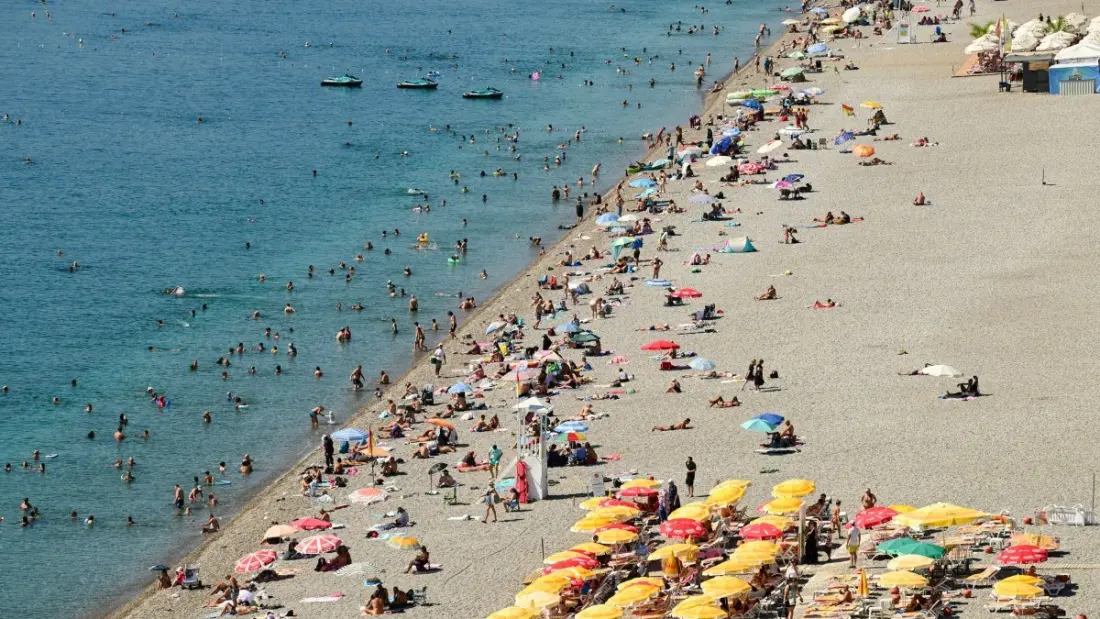
So what does this mean if you've got a trip to Türkiye on the horizon? Mainly, rethink the timing. July and August — especially in the southeast, inland Anatolia and even the southern coast — are now capable of producing sustained extreme heat that makes sightseeing genuinely unpleasant and, at the edges, unsafe. The coast still works in high summer if your plan is mostly swimming, but city breaks in Istanbul, Ankara or the southeast are far more comfortable in April–June or September–October.
Drought matters too. Water restrictions and low reservoirs can affect hotels, agricultural regions and even the famous travertine pools at Pamukkale, where water flow is managed. Travellers heading east or southeast should expect harsher conditions than guidebooks written a decade ago suggest, and anyone travelling in summer should plan early mornings and evenings, book accommodation with reliable air conditioning, and keep hydration serious rather than optional.
This isn't a reason to skip Türkiye — spring and autumn there are superb, and the country remains one of the best-value destinations in the region. It's a reason to shift your dates and pack smarter. The headline numbers are for meteorologists; the takeaway for holidaymakers is simple: shoulder season is the new high season.
Daily Sabah Travel