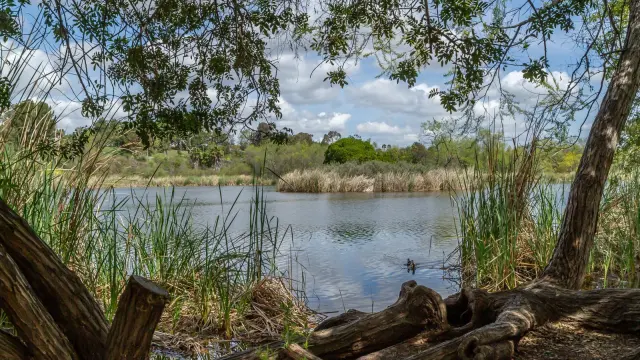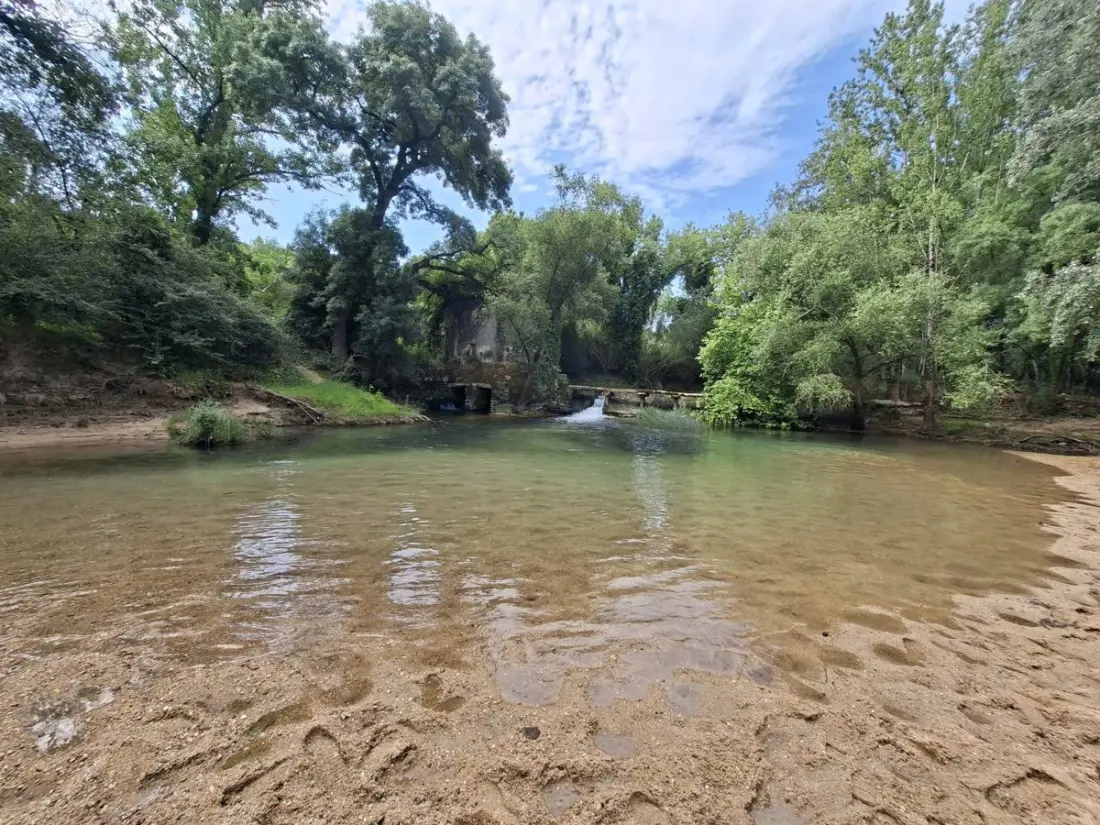
A quiet stretch of the Tejo (Tagus) in central Portugal has become the unlikely front line in Europe's AI boom. Two massive data centre projects are planned for the municipality of Abrantes, and Portuguese environmental groups say the river may simply not have enough water to cool them.
The schemes are substantial. EDC One is lined up to invest €7 billion, aiming to start operations in 2028 with 450 direct jobs and another 700 indirect ones by 2030. The second, from Hyperion II Renewables Services, covers roughly 15 hectares, won a favourable municipal opinion in May and is expected to open in 2029.
The problem, according to the NGO Quercus and the proTEJO movement, is water and power. Neither developer has disclosed its cooling technology, so nobody knows for sure how thirsty the sites will be. proTEJO estimates consumption anywhere between 3.6 and 22.2 million litres per day at full capacity, depending on the system chosen. Even the low estimate would amount to roughly half of the minimum annual inflow Portugal receives from Spain under the Albufeira Convention. On the energy side, a combined capacity of 500 megawatts could mean up to 4,380 gigawatt-hours a year — nearly 29 times the annual electricity use of the whole Abrantes municipality.
The timing is awkward. The Portuguese Environment Agency expects water scarcity in the Tejo basin to worsen between 2028 and 2033, exactly when the centres are due to come online, and many surface and groundwater bodies in the basin already fall below 'Good Status'. Both groups want a cumulative Environmental Impact Study covering the two projects together, binding limits on water and energy use, published performance data, and a proper hearing for residents of Alvega and Concavada.
The context matters: Portugal's National Data Centre Plan classes these facilities as strategic for the economy and digital sovereignty, and Infrastructures minister Miguel Pinto Luz said in May there are already around 40 applications nationwide. Both Abrantes developers have asked for more grid connection capacity in an already stretched area, with those requests still under review.
For travellers, this is not an immediate holiday disruption — Abrantes remains a pleasant, little-visited stop on the Lisbon–Madrid rail line, with river beaches, hilltop views and the natural beauty of the Tejo International area within reach. But the story is a warning about the places behind Europe's digital infrastructure: the same rivers and valleys people visit for unspoiled scenery are being earmarked as cooling infrastructure, and how this dispute is resolved will shape the health of the Tejo basin for years. Anyone with roots in the region, or planning to explore central Portugal's quieter corners, has a stake in whether the river keeps flowing.