Underwater off Antigua, something big is happening. AnuBlue, the marine nonprofit formerly known as the Elkhorn Marine Conservancy, has finished its strongest coral restoration year since launching in 2021 — more than 5,800 nursery-grown corals planted across roughly 2.3 acres of reef, an area about the size of two American football fields.
The number that matters most may be the survival rate: 84 percent of the transplanted corals are holding on. For reef restoration, where early mortality is often the sticking point, that's a sign the program is scaling up without losing quality.
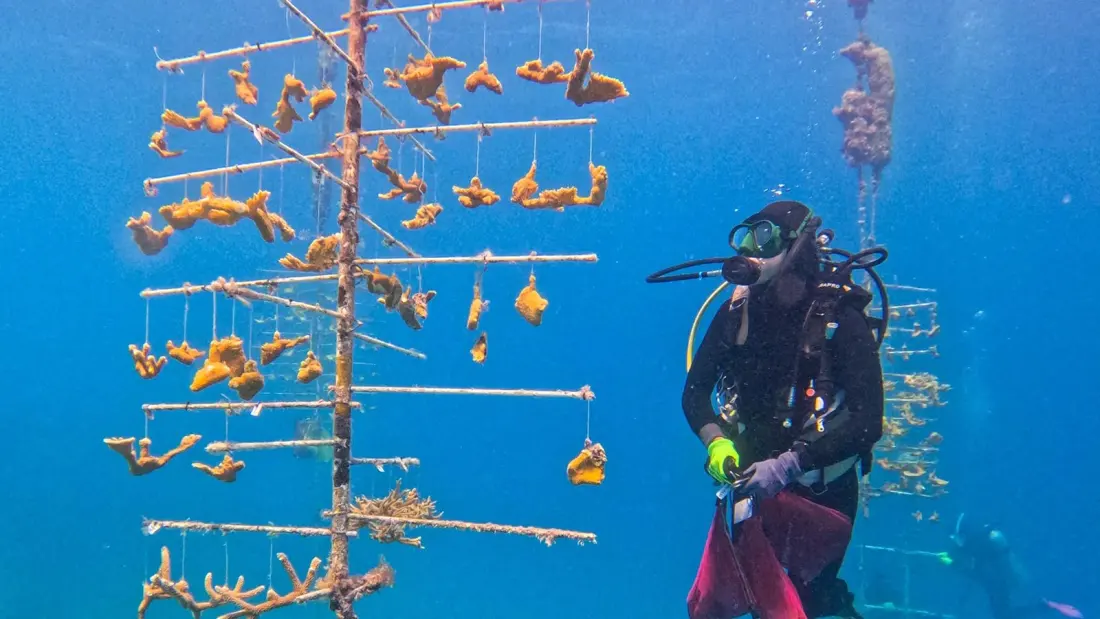
AnuBlue runs what it calls Antigua and Barbuda's largest active coral restoration program, built around four coral nurseries and five restoration sites across Cades Reef and the North East Marine Management Area (NEMMA). Corals are grown in the nurseries first, then transplanted onto the reefs. The team includes marine scientists, fishermen, divers and volunteers, so the work has a strong local dimension.
The science behind it is more thoughtful than simply gluing coral to rock. Fragments are chosen from parent colonies that have already survived threats like hotter water and disease, and different genetic individuals of the same species are planted close together — the goal being natural reproduction and genetically diverse, resilient populations. AnuBlue is currently growing 15 reef-building coral species, five of which are critically endangered. Rather than betting on one species, the program aims to rebuild a whole functioning reef ecosystem.
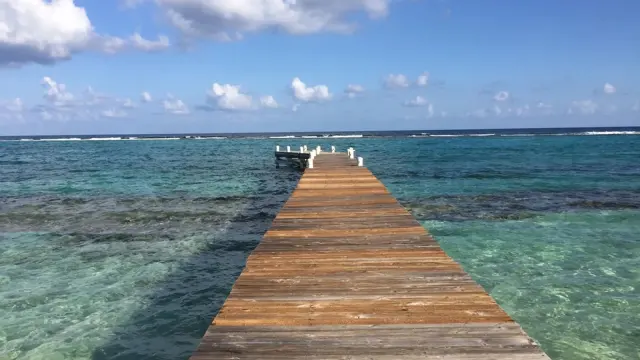
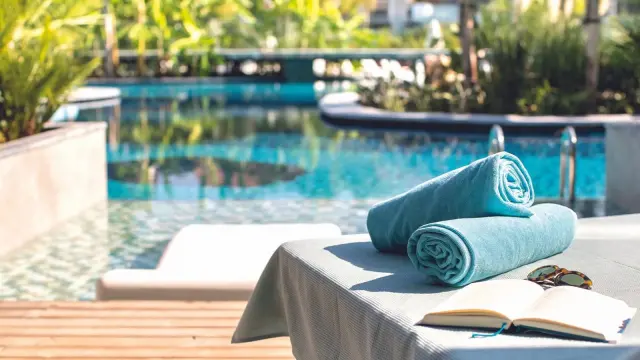
Why should travellers care? Because Antigua's famous coastline — those 365 beaches, the calm turquoise water at Long Bay, the snorkelling and diving, the sailing scene — all depends on what's happening beneath the surface. Reefs shelter the shore, create the calm swimming conditions the island is loved for, and support the marine life that makes snorkelling here genuinely good. Antigua has quietly become one of the Caribbean's top snorkelling destinations, and this kind of work helps keep it that way.
For visitors who want their trip to give something back, it's a chance to see conservation in action: the reefs around Cades and NEMMA aren't just dive sites, they're active restoration zones. Expect AnuBlue to keep planting, monitoring and researching as it works toward reefs that can better withstand warming oceans and disease. After this year's results, the underwater side of Antigua is becoming a bigger part of the island's story — alongside the beaches, not in spite of them.