
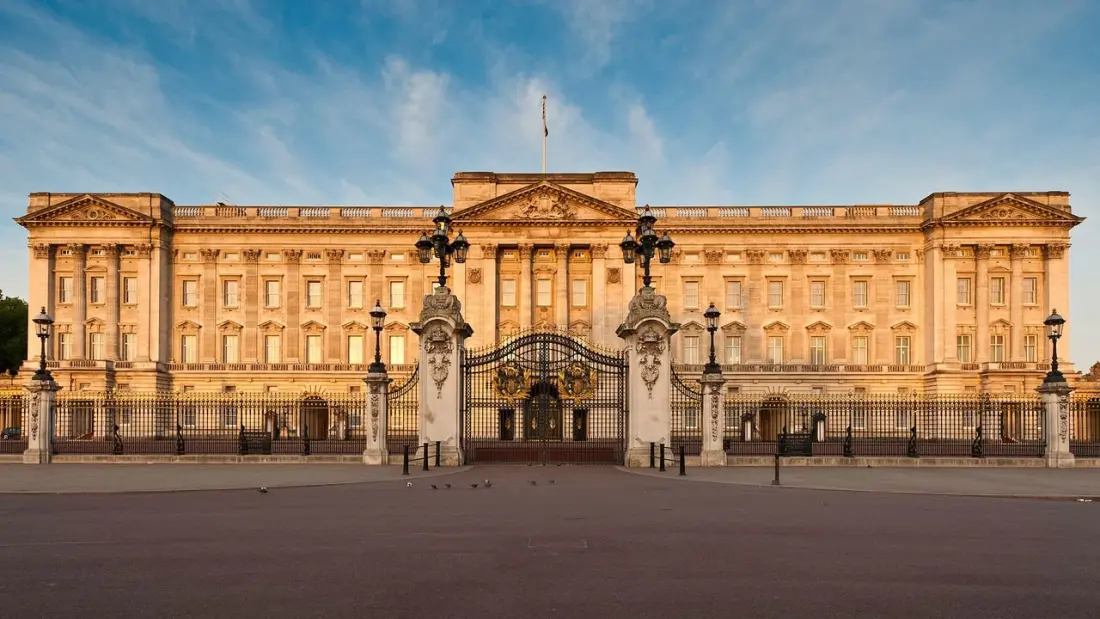
Buckingham Palace is mid-way through the biggest renovation in its history, and the work has turned into an accidental archaeology dig. As crews pull up floors in the 775-room residence, they keep finding objects that staff and royals tucked away decades ago — a small time capsule of working palace life.
The finds span well over a century. There's a battered pair of black hobnail boots that likely belonged to a servant, a scattering of old Christmas cards, and blank Littlewoods Football Pools slips from 1957. A scrap of The Standard from 1889 carrying West End theatre listings surfaced alongside pages of the Daily Express from 1966, including a story about the Great Train Robbers stitching mailbags in prison for nine shillings a week.
One of the more revealing discoveries is a typed memo from 1977 — Queen Elizabeth II's Silver Jubilee year — laying out the choreography of a diplomatic reception. Its instruction that British guests be spread through the State Rooms but steered towards chatting with diplomats in the Music Room and West Gallery offers a rare peek at how Royal Household events are actually stage-managed.
The reason for all this disruption is the £369 million Buckingham Palace Reservicing Programme, which began in 2017 and is due to finish in March 2027. The palace's wiring, plumbing and heating date back to the 1950s, and officials warned the infrastructure needed a complete overhaul to prevent long-term damage to the building and its contents. The building itself is vast: 19 state rooms, 52 royal and guest bedrooms, 188 staff bedrooms, 92 offices and 78 bathrooms.
Here's the part travellers should care about most: King Charles III and Queen Camilla won't move into the palace once the work wraps up. They'll stay at Clarence House instead, which means more of Buckingham Palace can open to the public — even though it remains the official centre of royal life and the Royal Household's main workplace.
For anyone planning a London trip, that's a genuine win. The Reservicing Programme was already expanding visitor access in phases, and a monarch who opts to live elsewhere could mean more state rooms, more opening dates and fewer days when the palace closes for royal use. Add the discovery stories to a visit and you get a richer picture of the place: not just gilded rooms, but generations of servants, schedules and stray newspapers under the boards. If you've been meaning to see inside the palace, the years after March 2027 may be the best window yet — and Clarence House, just along the Mall, makes an easy companion stop while you're in the neighbourhood.