
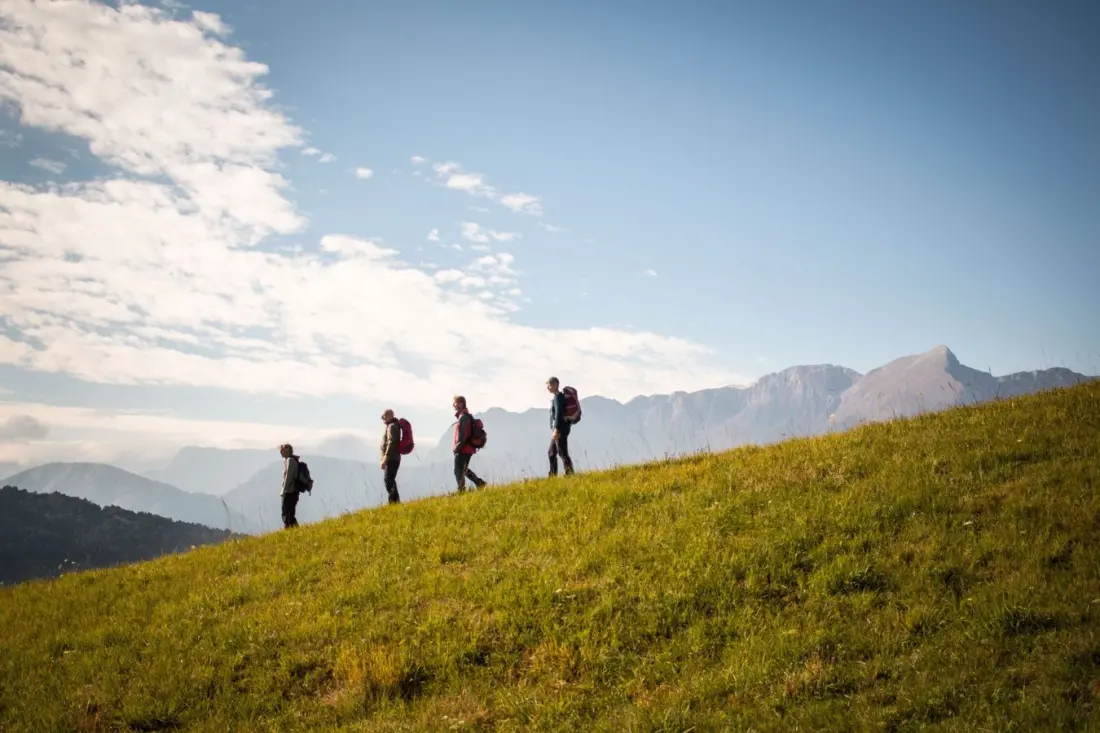
Multi-day treks can feel daunting if you've never laced up beyond a local trail, but the adventure company Much Better Adventures has been easing newcomers into the wild for years. With more than 200 trips across 60-plus countries — from Nepal to New Zealand to Madagascar — the company grades every itinerary on a seven-level scale from easy to tough, so you can pick something that matches your fitness rather than your ego.
Its senior expansion managers, James Desmond and Chris Kearney, have put together safety protocols for participants, and their advice for hiking America's national parks is refreshingly practical. Their first tip: choose parks that cater to mixed experience levels. Utah's Zion and Bryce Canyon sit close enough to combine in one trip — Much Better Adventures even runs a programme covering both — while Yosemite in California works well for groups with varied abilities. Kearney also points to Arches and Canyonlands in Utah, where shorter walks like the trail to Delicate Arch deliver big scenery without a huge commitment.
Preparation starts at home. Kearney suggests a few local walks on uneven ground before your trip, ideally mimicking the incline, terrain and distance of your planned route. It doubles as the perfect way to break in your boots — a blister on day one can sink a whole itinerary.
On the trail, Desmond's rules apply to everyone. Carry a reliable navigation method such as a compass or GPS rather than trusting your phone alone. Tell someone your route and expected return time so help can be raised if you're overdue. Pack enough food and water for a longer-than-planned day, bring basic emergency gear, and always have a backup plan — even if that plan is simply turning around. Before you set out, research the route thoroughly: talk to local guides, check the terrain, the best season, and the gear you'll actually need. For trips abroad, he adds, read official travel pages at your destination, since locals often know about recent natural hazards that never make international headlines.
Kearney's packing list is a solid template for any day hike: worn-in boots or trail shoes, several pairs of proper hiking socks, a 20-30L daypack, two litres of water, moisture-wicking layers, sun protection, a basic first-aid kit, high-energy snacks and a buff or neck scarf. Nothing exotic — just the items that matter when a short walk turns into a long afternoon.
For travellers, the takeaway is encouraging: you don't need to be an elite hiker to enjoy places like Zion or Yosemite. Pick a park with options across difficulty levels, train a little beforehand, and follow a few low-effort safety habits. Whether you join a guided group trip or head out solo, the gap between an intimidating trek and a brilliant one is mostly preparation.
TravelAwaits