
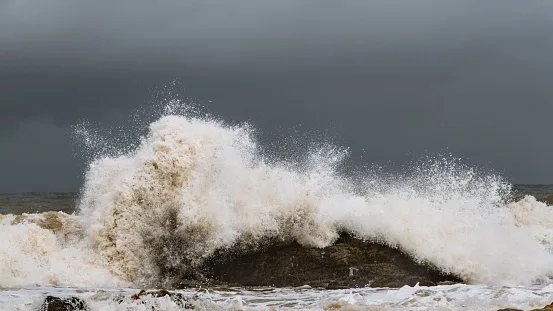
If you're heading to Durban's beaches or have a boat trip booked on the KwaZulu-Natal coast, Monday 14 September could get messy. A Yellow Level 2 warning for damaging winds is in force from 8am until midnight along parts of the coastline, with eThekwini Municipality cautioning that beach activities, harbour operations and coastal navigation may all be disrupted.
The culprit is a strong high-pressure system pushing northerly to north-easterly winds averaging 35 to 40 km/h, with gusts reaching 80 km/h. The South African Weather Service expects the harshest conditions along the coast and offshore, where small vessels face a real risk of taking on water or capsizing. Port and small-harbour operations could slow or stop altogether if navigation becomes too dangerous.
On land, the concern is localised damage, especially in exposed spots and informal settlements. The municipality has asked people to secure loose outdoor items and stay alert, and it's warned motorists — particularly anyone in a high-sided vehicle — to take care on exposed roads where crosswinds can catch you off guard. Emergency crews are on standby to clear fallen trees, unblock stormwater drains and assist where needed, and the City's Disaster Management Centre can be reached on 031 361 0000.
This isn't an isolated blip. The winds are part of a wider burst of unsettled weather sweeping South Africa on the same day. The Western and Northern Cape are under a more serious Yellow Level 4 warning for disruptive rain, with heavy rain and thunderstorms also forecast for the western and central interior. A Yellow Level 2 severe thunderstorm warning covers parts of the Northern and Western Cape, bringing the chance of localised flooding on roads, low-lying areas and bridges. Scattered showers could reach KwaZulu-Natal, Limpopo and Mpumalanga too, and damaging winds may also clip parts of the Eastern Cape coastline.
For travellers, the practical takeaway is simple: if your week involves the Durban beachfront, a harbour cruise, deep-sea fishing charter or a drive along coastal routes, check the latest SAWS and municipal updates before you set out. Operators may pause beachfront activities or cancel boat trips at short notice, and conditions can shift quickly through the day. Swimmers and paddlers should stay out of the water while the warning is active — choppy surf and strong onshore winds aren't worth the risk, even for experienced water users. If you're already in Durban, it's a good day for the indoors: the uShaka Marine World aquarium, a museum or one of the city's curry houses in the Berea will serve you better than the sand.
Anyone planning a coastal escape later in the week should keep an eye on follow-up forecasts too, since warnings of this kind often come in clusters during changeable weather spells. Flexibility is your friend — book refundable activities where you can, and build a wet-weather plan B into any KwaZulu-Natal itinerary this month.
Story via Getaway South Africa.