
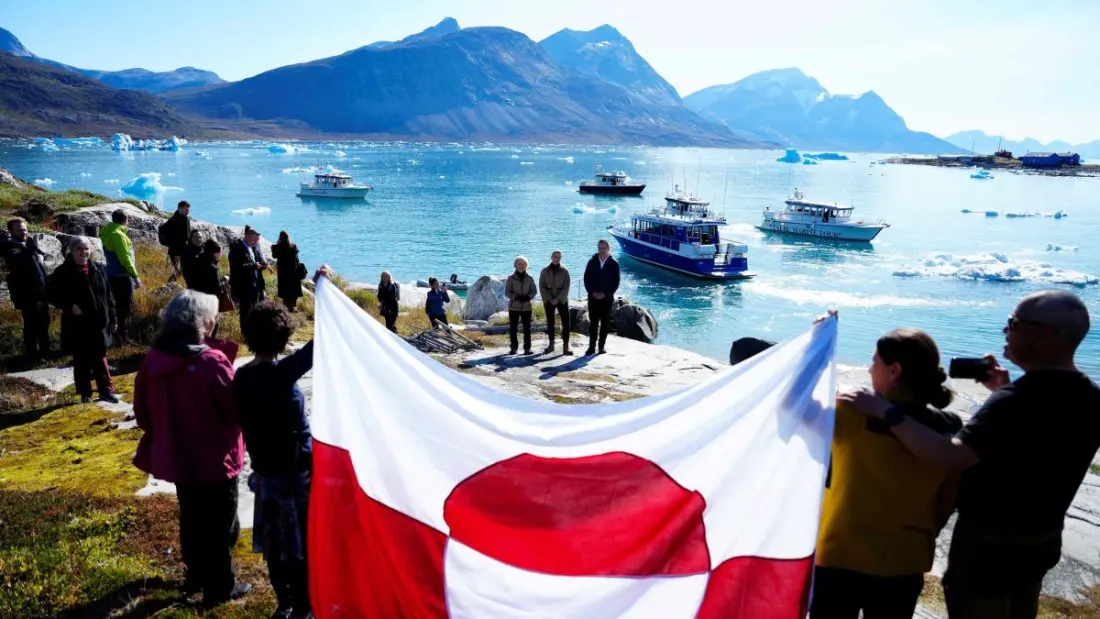
Greenland has spent the past year at the centre of an unusual geopolitical storm, and it just took a new turn. Donald Trump announced that the United States and Denmark have reached what he described as an "infinite" agreement handing Washington permanent control over security on the Arctic island — while barring any US adversary from establishing bases, stationing troops or making sensitive investments there without written American approval.
The announcement, made on Truth Social, is the latest chapter in a saga that began when Trump first argued the US needed to control Greenland, repeatedly floating the idea and refusing to rule out military force. That rhetoric caused months of friction with Denmark and within NATO before the dispute shifted to diplomacy. A US general told a Senate committee in March that negotiations over new American bases in Greenland were already underway, so Friday's deal formalises a direction that was fairly visible.
What makes the story awkward is Greenlandic public opinion. Independence from Denmark remains consistently popular on the island, but Danish polling from January 2025 found that 85% of Greenlanders opposed joining the United States. Both China and Russia have dismissed Trump's claims that they would move in if America didn't.
So why should a holidaymaker care? For now, the practical impact on travel is minimal — visitors from most Western countries face no new entry hurdles, and the island's selling points are untouched: iceberg-choked fjords like Ilulissat, Northern Lights in winter, midnight sun in summer, and some of the most dramatic hiking in the Arctic. But the deal does signal more American military infrastructure in the years ahead, which means more flights, construction and international attention in a destination that has long been hard and expensive to reach. Travellers interested in Greenland before mass tourism takes hold may find the window of quiet novelty closing gradually rather than suddenly.
For adventure travellers and Arctic enthusiasts, the message is to keep Greenland on the list — but keep an eye on how the new security arrangement shapes infrastructure, flight routes and the pace of development over the next few years.