Vietnam had a strong showing at the 2026 World Travel Awards for Asia, Oceania and the Indian Ocean, held in the Maldives on September 27. Often dubbed the 'Oscars of the travel industry' since their launch in 1993, the awards are decided by online voting from travel professionals and the public across national, regional and global tiers.
The country itself walked away with two regional titles: Asia's Leading Destination and Asia's Leading Heritage Destination. Hanoi was named Asia's Leading City Destination, while Ho Chi Minh City picked up Asia's Leading Business Travel Destination.
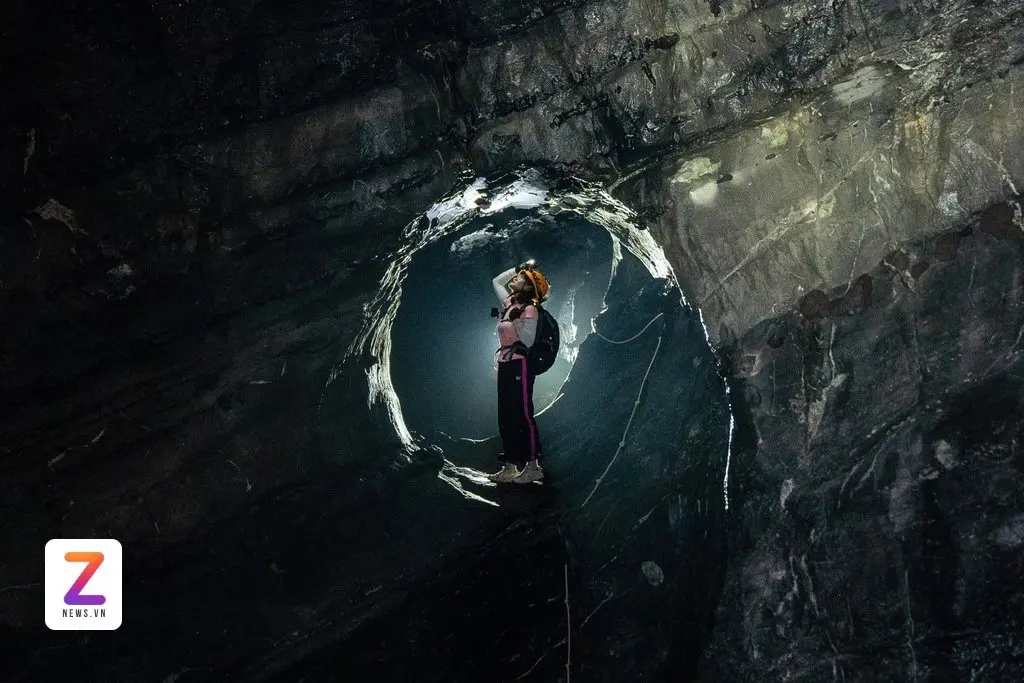
But the headline acts were two very different corners of the country. Phong Nha-Ke Bang National Park did the double, winning both Vietnam's Leading Nature Destination and Asia's Leading National Park. The UNESCO-listed site in Quang Binh covers more than 123,300 hectares of ancient karst limestone and is home to Son Doong, the largest cave on Earth, plus Phong Nha Cave with its underground rivers and stalactite chambers. Wildlife is a draw too: scientists have logged over 2,700 plant species, around 200 bird species and 154 mammals, including the rare Ha Tinh langur. Visitors can join guided caving expeditions, jungle treks, river swims and ziplining, with a growing crop of eco-lodges around the park that fund conservation and local communities.
The other winner came out of nowhere, literally. Ta Xua, a cloud-wrapped mountain commune in Son La Province, was named Asia's Leading Emerging Tourism Destination 2026 in its very first nomination, beating shortlisted rivals including Koh Kood in Thailand, Melaka in Malaysia, Morioka in Japan, Sumba Island in Indonesia and Taipei. Park deputy director Dinh Huy Tri framed the double win as both an honour and a responsibility, with conservation staying the foundation for sustainable growth.
Ta Xua sits above 2,800 metres near the Lao Cai border, about 240 kilometres from Hanoi, and stays cool year-round. Its claim to fame is 'cloud hunting' from October to April, when mist fills the valleys below the narrow ridgelines. The scenery is dramatic but unforgiving: steep spines with sheer drops on either side. Most visitors come by motorbike or car, while hikers can trek to Ta Xua Peak on trails starting from either Yen Bai or Son La.
For travellers, this is a useful signal. Phong Nha is already well established on the backpacker and adventure circuit, though demand for Son Doong expeditions far exceeds the tiny annual permit allocation, so book far ahead. Ta Xua is the fresher proposition: raw, high-altitude and still largely under the radar outside Vietnam, best suited to confident riders and trekkers who don't mind rough roads. Timing matters for both — Phong Nha is at its driest and most accessible from spring through summer, while Ta Xua's famous cloud season runs through the cooler months. With two internationally recognised names now pulling visitors to opposite ends of the country, Vietnam looks set to lean harder on its nature tourism in the years ahead.