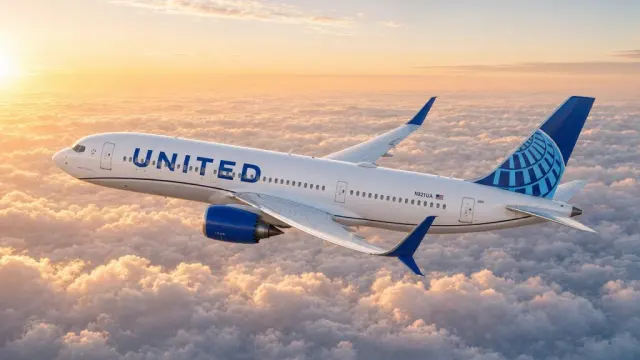
Tulum's airport is barely two years old, but airlines are already leaving in droves. Volaris, Mexico's biggest low-cost carrier, says it will stop flying to the Caribbean coast resort after early January 2027, days after Aeroméxico suspended its own Tulum routes. Both point to the same blunt reason: not enough passengers to make the routes pay.
Volaris will stop selling Tulum tickets this weekend, with operations ending from January 7, 2027. Aeroméxico has framed its exit as a temporary suspension, but the direction of travel is clear. The airline told El Financiero it had reviewed route profitability and cut flights with lower load factors — industry shorthand for planes flying too empty.
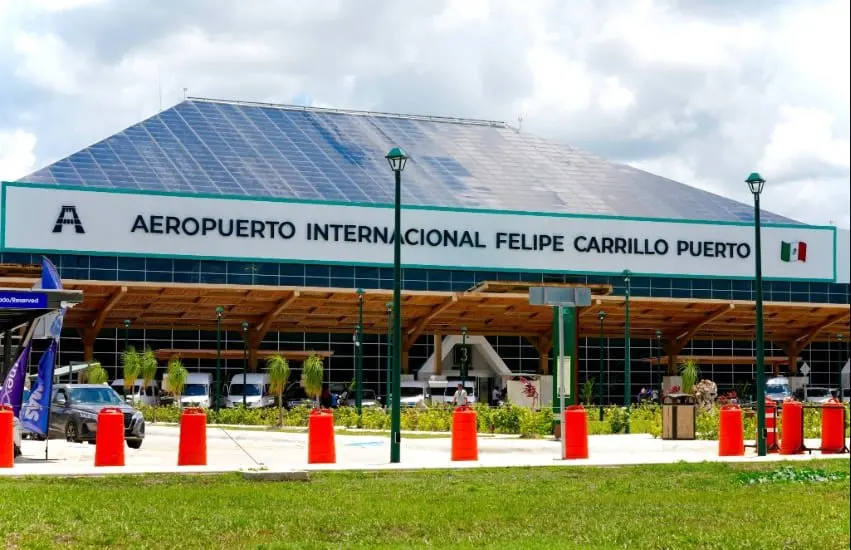
The numbers behind those empty seats are stark. Tulum's hotel association reports occupancy in mid-September running 10% below last year, with beachfront hotels below 20% and all-inclusives under 30%. Some properties are reportedly weighing whether to open only during peak season. The airport itself — Felix Cancun it isn't, but TQO handled 471,500 passengers between January and June, a 33% drop from the same stretch in 2025, according to federal aviation data.
So what's driving visitors away? Volaris points to rising costs for international travellers. The Non-Resident Fee that foreign visitors pay to enter Mexico is set to jump 35% next year, from 983 pesos (about US$54) to 1,335 pesos (roughly US$74), pending congressional approval of the 2027 budget. It's baked into ticket prices, so it hits every international itinerary. Add a higher Airport Use Fee — now 300 pesos per passenger — plus fuel and air navigation costs, and Tulum has become a pricier trip than it was even a year ago.
There's irony in the timing. The airport was a flagship project of former president Andrés Manuel López Obrador, opening in December 2023 with grand plans to funnel tourists straight to the Riviera Maya's bohemian southern end. Instead, it's opening into a downturn.
For travellers, this cuts both ways. If you've been putting off a Tulum trip, the coming months may bring flight deals and hotel discounts as the town scrambles to fill rooms — those sub-20% beachfront occupancy rates suggest serious bargaining power. But book with eyes open: check that your preferred route still exists closer to departure, since schedules could shrink further. Flying via Cancún, about 90 minutes north, remains the reliable fallback with far more airline competition.
The bigger question is whether Tulum's slump is a temporary correction after years of overbuilding and price inflation, or the start of a longer decline. Rising government fees won't help either way. For now, the message from the airlines is simple: too few seats are selling, and the ones that do cost more than they used to.