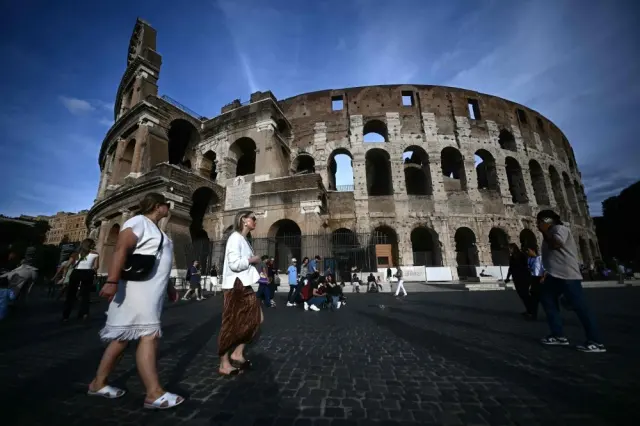
Cologne Cathedral had been free for centuries. That ended on July 1, when the German city began charging visitors €12 (about $19.50) to step inside its Gothic interior. It joins a growing club of landmarks that have recently put up the pay window: Istanbul's Hagia Sophia went from free to €25 in 2024, Rome started charging for the Pantheon in 2023 and extended fees to the Trevi Fountain in 2025, and even climbing Mount Fuji now costs money.
So what's still genuinely free? Quite a lot, if you know where to look — and several of the best examples are world-class.
In Europe, Berlin's East Side Gallery offers nearly two kilometres of painted Berlin Wall as a 24-hour open-air exhibition, drawing more than three million people a year. Northern Ireland's Giant's Causeway, with its 40,000 basalt columns on the Atlantic shore, costs nothing if you skip the National Trust visitor experience and simply walk down. Paris's Notre-Dame — older than Cologne's and reopened after the 2019 fire — remains free to enter (reserve a timed slot), as does London's British Museum and its six-million-strong annual crowd, home to the Rosetta Stone and the Elgin Marbles. Seville's Plaza de Espana is still free too, though its mayor has signalled an entry fee is coming, Barcelona's Park Guell-style. In Rome's neighbour Vatican City, St Peter's Basilica costs nothing if you queue; booking a slot runs €7, and the dome and necropolis are extra.
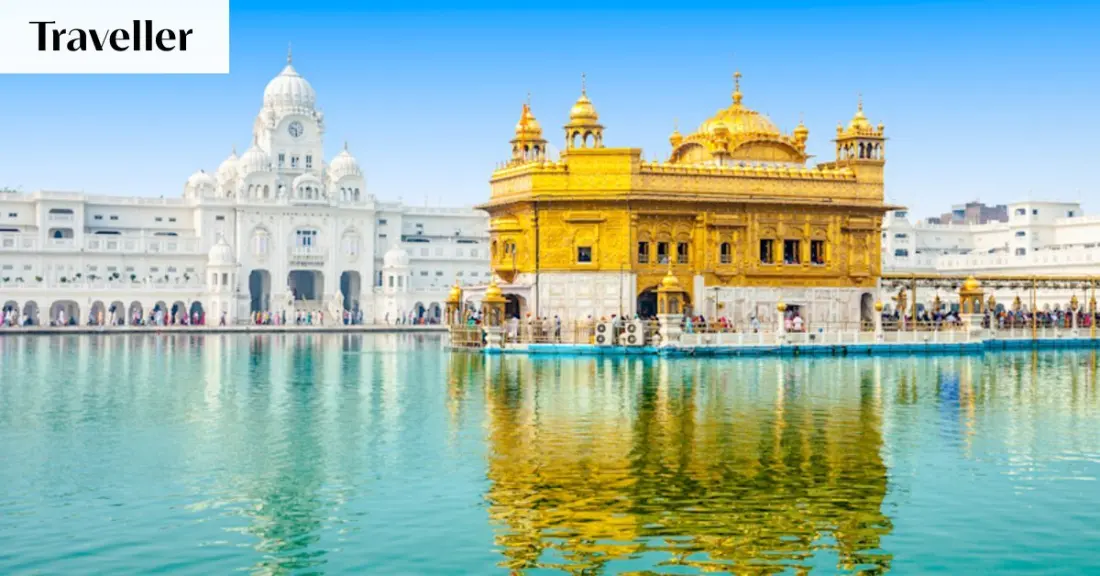
Further afield, the pickings are just as rich. Kyoto's Fushimi Inari Taisha and its 10,000 vermilion torii gates make for a free two-to-three-hour mountain hike — just don't walk down the centre of the path, which is reserved for the gods. Amritsar's Golden Temple feeds 150,000 people a day at no charge, an expression of Sikh openness, with head coverings provided. Marrakesh's Jemaa el-Fnaa square, Istanbul's 15th-century Grand Bazaar (4,000 shops across 65 streets — the city's only major monument with no ticket), Abu Dhabi's Sheikh Zayed Grand Mosque (prebook, and the 45-minute cultural tour is free too), Singapore Botanic Gardens, Shanghai's Bund, Hong Kong's Zoological and Botanical Gardens, and Malaysia's Batu Caves, reached by 272 rainbow-coloured steps, all cost nothing or close to it.
New Zealand goes further: all 13 of its national parks are free, including Abel Tasman, where day-walking the Coastal Track — 60km of beaches and rainforest over three to five days — costs nothing (huts from NZ$42 if you want to overnight). And in Washington DC, 17 Smithsonian museums plus the National Zoo are free, though the Air and Space Museum gets packed in summer.
The takeaway: the era of wandering into every great monument for nothing is clearly winding down, so if a free-entry landmark is on your list, go sooner rather than later — and expect to book a timed slot even where the price is zero.