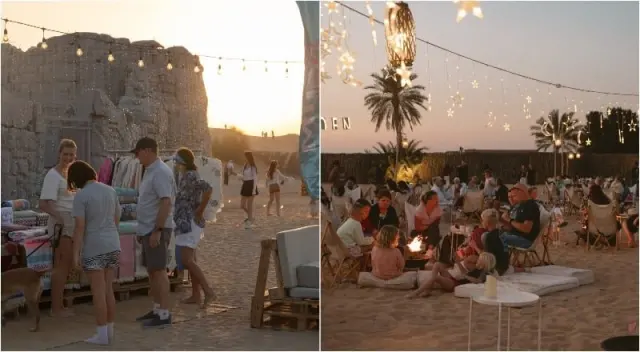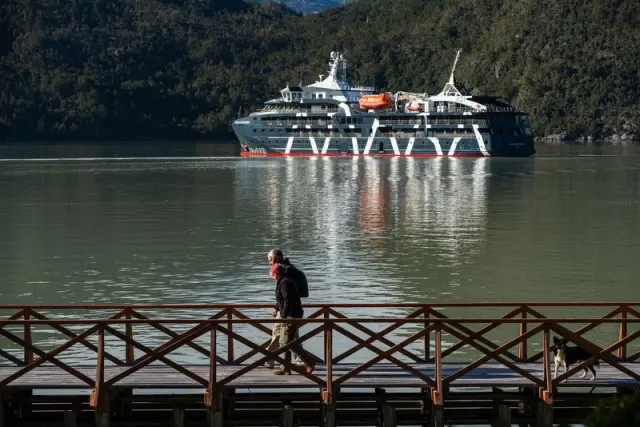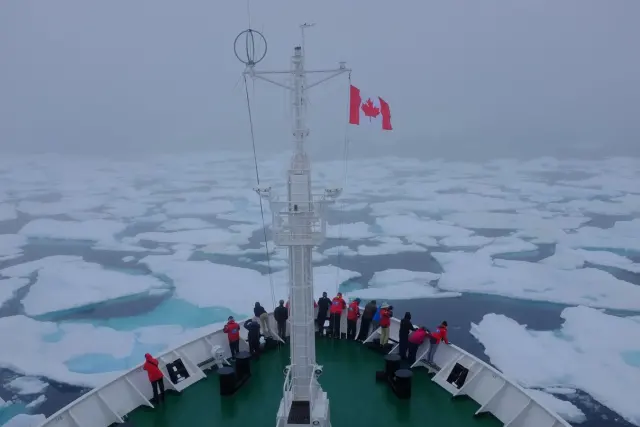
Forget the 12-city itinerary and the spreadsheet-timed museum visits. According to a new trends report from UK travel marketing agency Lemongrass, 2027 is shaping up to be the year of the "anti-optimised" holiday: fewer destinations, longer stays, and generous helpings of unstructured time. The luxury that matters, the report suggests, is having nowhere to be.
The thinking goes beyond laziness. CEO Mirjam Peternek McCartney frames it as a shift from "how much can I fit in" to "how do I want to feel" — calmer, more connected, or simply free to enjoy a moment without maximising it. Alongside this, travellers are reportedly ditching bucket lists for "depth lists": expert-led tours, cultural trails, workshops and conversations with locals, chasing understanding over box-ticking.
Wellness is evolving too. Instead of stacking more spa treatments and biohacking gadgets onto a trip, hotels are rethinking entire environments — lighting, sound, access to nature, food and social spaces — so guests leave genuinely rested. And as AI floods travel planning, the report flags a growing "AI trust gap": with synthetic images and automated itineraries everywhere, first-hand knowledge and operators who've actually been there are becoming a premium.
The report lists a further ten trends worth knowing. Wellness travel aimed squarely at men is growing, with fitness, nature and mindfulness framed around connection and friendship rather than just performance. Climate adaptation is now part of destination choice, with travellers favouring places with resilient infrastructure and local know-how when heat or weather disrupt plans. Citizen science — wildlife monitoring, water sampling, species recording — is pulling tourists into conservation, and a new "giving journey" trend wants locally led projects accessible without the old voluntourism pitfalls.
Sustainability is being reframed as pleasure rather than penance — scenic rail travel wins because it's a better experience, not a guilt offset. There's also "earned travel", where effort, uncertainty and spontaneity make remote or independent trips feel more rewarding, and the "joy economy", where holidays double as emotional restoration from digital overload. Look out too for "mystic outlands" (dark skies, ancient forests, folklore-steeped landscapes), a push for female guides and storytellers in destinations where their voices have been overlooked, and "near is the new far": short-haul trips, rail journeys, staycations and off-season breaks pitched as just as meaningful as long-haul adventures.
Why care? If any of this matches how you already travel — one base, a loose plan, a bit of local depth — 2027 is your year, with the industry expected to build products around you. And if you're still a maximiser, the report is a decent nudge: an algorithm can list the sights, but the part of a trip you'll actually remember usually comes from slowing down long enough for something to happen.
Report: Lemingrass 2027 travel trends via Euronews Travel