
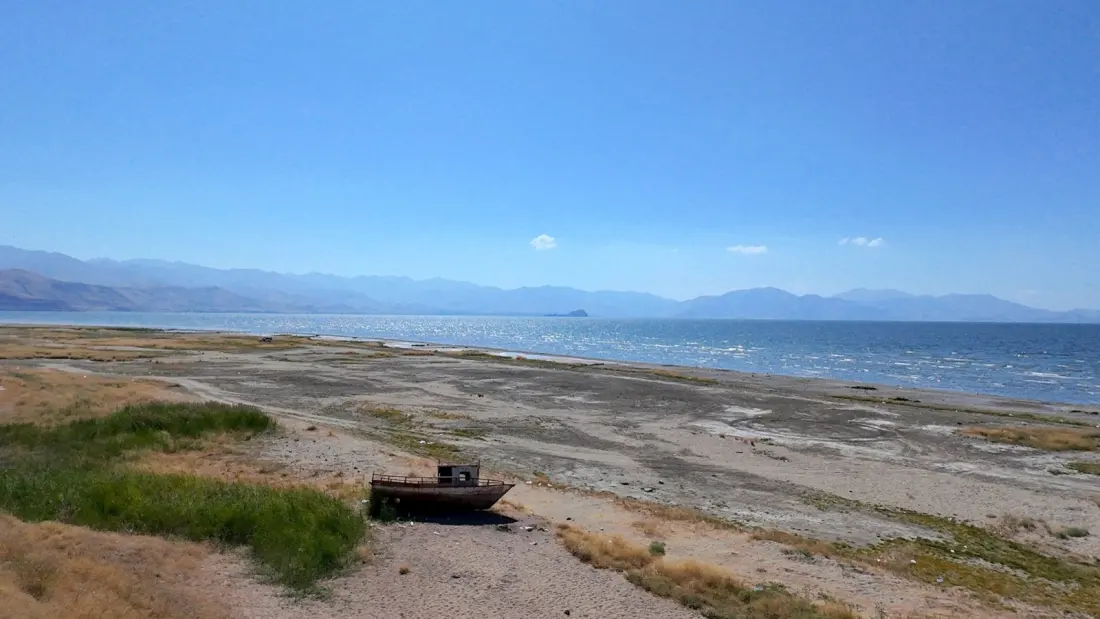
Every tomato, cotton shirt and melon that leaves Türkiye carries an invisible cargo: the water used to grow or make it. Analyst Barış Üçok calls this "virtual water," and his recent opinion piece argues that for a water-stressed country like Türkiye, it's become a national security question — one that holidaymakers may notice on the ground, from parched gardens to water restrictions.
The numbers explain the concern. Türkiye has around 1,301 cubic metres of usable water per person annually — firmly in water-stressed territory. Of the country's estimated 112 billion cubic metres of usable water each year, about 57 billion is actually used, and roughly 44 billion of that goes to farming. Agriculture soaks up some 77% of total consumption.
Üçok's central argument is that exports hide their true cost. Research on Türkiye's major plant-based exports suggests roughly 5.9 billion cubic metres of virtual water flows out of the country each year — about 1.1 billion cubic metres of it "blue water" drawn from rivers, reservoirs and aquifers rather than rainfall. Rain-fed crops and irrigated crops aren't equivalent in a basin already running a deficit, yet export figures only show the money earned, never the water spent. He argues that growing water-hungry crops in deficit basins simply because foreign buyers want them is hard to justify when the return per litre is low.
The piece also flags problems closer to home. Much irrigation still relies on flood methods and unmeasured channels. Groundwater wells are licensed but poorly monitored, and over-pumping lowers water tables and affects neighbouring wells. Municipal figures presented in February 2026 showed that about a third of the water cities supply goes to irrigation areas — much of it drinking-quality water used on lawns and road medians. In response, a presidential decision from October 2025 introduced drought-tolerant landscaping rules: fewer lawns, more native species, efficient irrigation and recycled water.
Türkiye's National Water Plan for 2026–2035 has now placed water within a national security framework, and Üçok wants trade policy pulled into it too — export incentives weighed against the water balance of the basin where crops are grown. His point is stark: customs records show what a product earned, but not the productive capacity lost in creating it. For a country with limited water, some existing patterns of production simply may not be sustainable.
For travellers, this isn't abstract. Türkiye welcomed tens of millions of visitors who swim, golf, dine and sprawl on irrigated lawns along its Aegean and Mediterranean coasts — often in exactly the basins under pressure. Expect the landscaping around resorts and municipal parks to look browner and more Mediterranean in the coming years, and occasional water-management measures in drought summers. It's a reminder that holiday destinations and their resident communities increasingly share the same finite resource — and that the sunset aperitif by the pool sits on top of a much bigger accounting problem.
Daily Sabah Travel