Owning a home in Mexico comes with risks that don't show up on the purchase paperwork. A timely piece from Mexperience spells out the liabilities that catch foreign homeowners off guard — and why skipping home insurance to save a few pesos can end up costing far more.
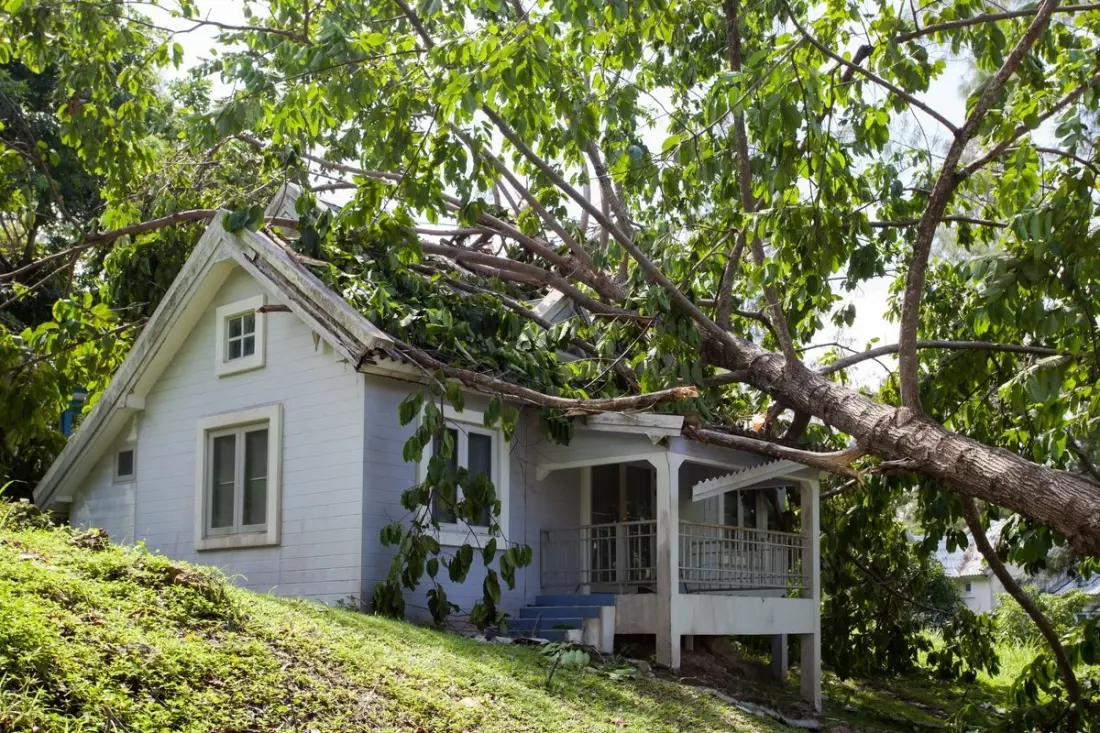
Home insurance isn't legally required in Mexico, though mortgage lenders usually insist on cover. That means plenty of owners, especially those with properties inland and away from hurricane zones, quietly drop it from their budgets. The problem: hurricanes are only the most obvious threat. Sudden wind storms strike even the highlands, and a mature tree coming down in a gust doesn't respect property lines. It can flatten a neighbour's roof, and in the worst cases cause injury or death — with the owner held responsible. Old or poorly founded garden walls can collapse too, particularly during earthquakes.
Condo owners often assume they're protected because their Home Owner Association fees pay for a building-wide policy. Usually they're not. That bloc coverage insures the structure, not your personal liability inside it. If a leak from your kitchen or shower seeps into the unit below, the repair bill lands on you, not the HOA.
Then there's domestic help. Many foreign residents employ cleaners and gardeners, and under Mexican law an accident at your home — a maid falling down the stairs, a gardener injured by a tool — becomes your responsibility. Proper cover can extend to these situations, but only if you've arranged it.
For travellers and expats, the takeaway is simple: if you own or even rent in Mexico, treat insurance as a core annual cost, not an optional extra. Mexperience points readers to MexPro, which issues English-language policies online through a licensed U.S. broker, underwritten by Mexican insurers — quotes and coverage can be arranged in minutes.
The wider lesson applies beyond Mexico. Wherever you keep a second home abroad, check what the local building or community policy actually covers, and ask specifically about third-party liability, storm damage and household staff. Gaps in those three areas are where expensive surprises tend to hide.