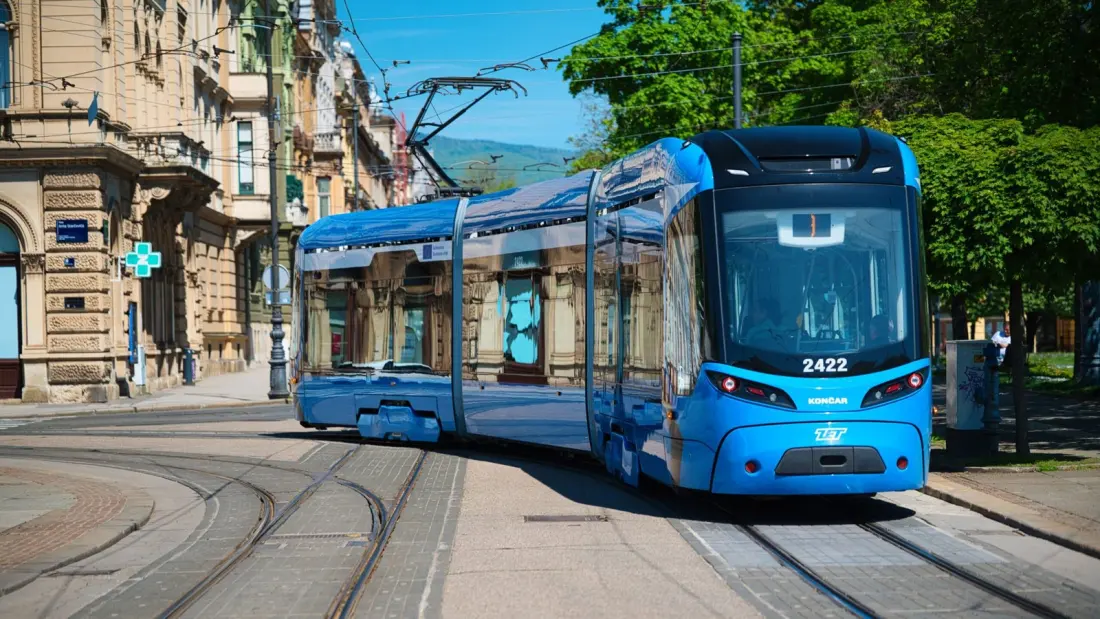
Zagreb is bracing for what officials describe as a near-total shutdown of the city's public services on 28 September 2026, as workers at Zagreb Electric Tram (ZET) and Zagreb Holding walk out at 15:30. The upshot for anyone in the city: no trams, almost no buses, and patchy or suspended rubbish collection.
Talks between the two city-owned companies and their unions fell apart just hours before the deadline. The sticking point is pay. Unions originally sought a 19 percent increase in workers' material rights plus long-term collective agreements, then softened to a 12 percent base salary rise during mediation — only to ask for 13 percent at the final meeting. Management offered 4.5 percent and refused to budge further. Union leaders say they've conceded plenty already and won't move again; the managements say they were blindsided by the increased demand.
The practical impact is severe. The head of the Transport and Communal Services union, Dražen Jović, said there's a high probability not a single ZET vehicle will run once the strike begins, and Zagreb's mayor Tomislav Tomašević echoed that, warning it's very likely no tram will leave the depot. He urged residents who don't need to travel to stay home, asked employers to allow remote work and flexible hours, and told anyone who must commute to leave early and expect heavy traffic. He also confirmed the city won't pay workers for strike days.
Zagreb Holding covers more than transport — its workers handle waste collection, road maintenance and green space upkeep, all of which stop or shrink during the strike. Some essential services will continue: waste from hospitals, kindergartens, health centres and care homes will still be collected, and burials will proceed. But household bin collections could be suspended entirely.
One open question is how many staff must keep working essential duties. The companies proposed a portion of employees stay on the job; the unions refused, so the issue has gone to arbitration, expected early the following week. Union president Mumin Hodžić said no further talks are planned.
For travellers, the message is simple: if you're in Zagreb on the day of a strike like this, don't count on ZET. If your visit coincides with the walkout or its aftermath, plan to walk, use taxis or ride-hailing apps, or rent a car — and expect jams, since thousands of residents will be driving instead. If you're due to fly out, allow generous extra time to reach the airport; there's no rail link into Zagreb Airport, so ground transfers will be in high demand. Anyone arriving on foot can still get around the compact centre fine — the historic core, upper town and main sights are all walkable — so a strike day needn't ruin a short stay, but long cross-city trips will be painful.
Keep an eye on local news and ZET announcements: arbitration over which essential services must continue could soften the shutdown, and any last-minute deal would bring trams rolling back. Total Croatia