
If you've ever fantasised about owning a bit of maritime history, a historic lighthouse on Chesapeake Bay has just surfaced for sale at $450,000, listed on Zillow. It's one of the standout finds in a recent roundup of internet curiosities, and the kind of listing that makes you reconsider what a holiday home could look like — a working slice of American coastal heritage, waves lapping at the front door.
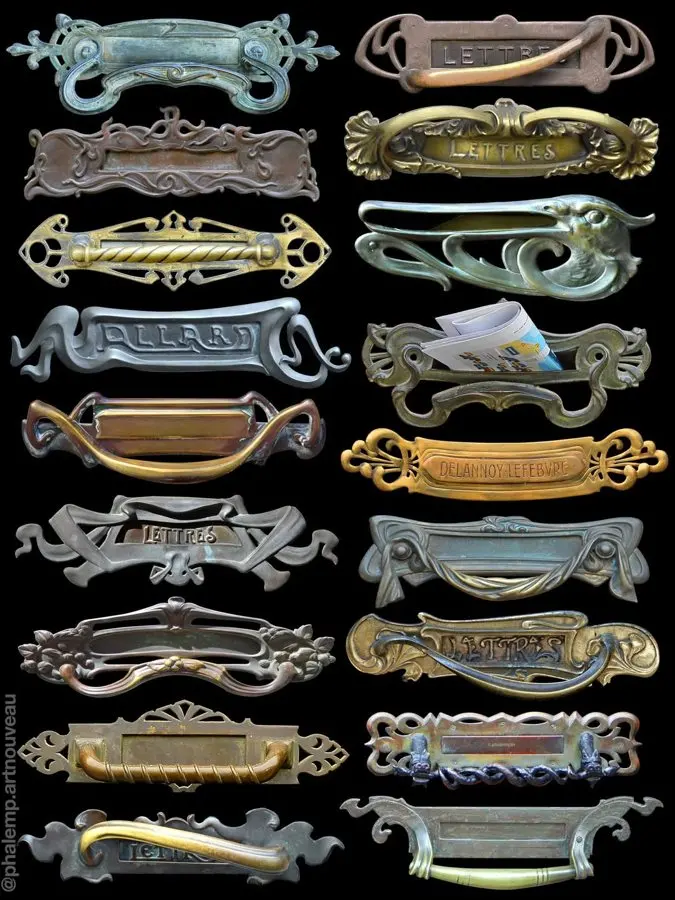
The same roundup spins off in several other travel-worthy directions. Take the Casa de la Torre in Cuernavaca, Mexico, the Spanish-style home that American artist and collector Robert Brady bought in 1961. Over nearly two decades he preserved its architecture and filled it with more than 1,400 artworks and objects gathered worldwide, including pieces by Frida Kahlo and Diego Rivera. The house doubled as a salon: Peggy Guggenheim, Josephine Baker, Rita Hayworth, Octavio Paz and John Cage all passed through its doors. Even a detail as small as its key displays hints at the life of the place.
Then there's a reminder that some of the strangest travel destinations are the ones humans abandoned. Russia's Kola Superdeep Borehole — a Cold War-era Soviet project to drill as far into the Earth's crust as possible — reached 12,262 metres in 1989 and remains the deepest artificial point on Earth. Funding dried up, equipment was scrapped, and the site has sat abandoned since 2008, marked only by a rusted metal cap. It's not exactly a weekend trip, but it has serious pull for lovers of offbeat industrial ruins.
For something lighter, New York City's annual bee distribution — nicknamed "the running of the bees" — saw dozens of urban beekeepers collect live colonies from Andrew's Honey at West 75th Street and Columbus Avenue. Beekeeper Andrew Coté has run the event for 20 years, moving between spots like Bryant Park and Columbus Circle; this year more than 60 people signed up to carry home a shoebox containing roughly 12,000 bees. If quirky city spectacles are your thing, this one's hard to beat.
The roundup also nods to the "little Scorpion of the French Riviera", a colourful local character profiled by the New York Times who wandered into the blogger's shop and walked away with some art — a good excuse, if you needed one, to linger in independent galleries when you're next on the Côte d'Azur.
Why should a traveller care? Because the internet keeps surfacing places and experiences you'd never find in a guidebook: a lighthouse you can actually buy, a collector's house in Mexico where art-world legends once mingled, an abandoned Soviet mega-project, and a honey shop in Manhattan that doubles as a bee pickup point. Each one is a reminder that the best holiday itineraries often start with a odd little story somebody shared online. Follow the threads and see where they take you.