
When France, Britain, Canada, Australia and six other countries formally recognised a Palestinian state at a UN summit on 22 September 2025, there was a flicker of optimism in the West Bank. Twelve months later, that hope has largely evaporated. Recognition brought the number of UN member states acknowledging Palestinian statehood to around 157 — more than four-fifths of the membership — yet the situation for Palestinians in the occupied territory has visibly deteriorated.
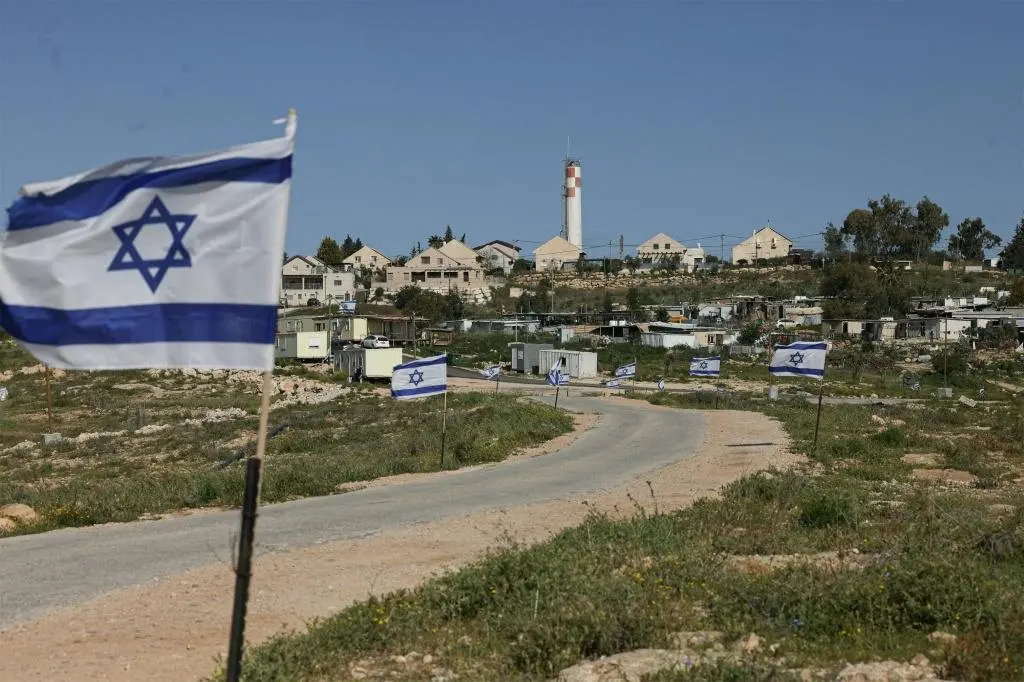
The numbers tell the story. The UN reports that extremist settlers have carried out an average of six attacks per day on Palestinians and their property in the West Bank in 2026. Israeli flags line roads used by settlers across the limestone hills, and graffiti reading 'No future in Palestine' appears on walls in areas where herder communities are being pushed out. In early 2025, Israel installed nearly 1,000 gates at the entrances of almost every West Bank village and town, which can be closed at will to restrict Palestinian movement.
The political picture has hardened too. Prime Minister Benjamin Netanyahu has declared that no Palestinian state will be established 'as long as I am prime minister', while his government approves settlement construction at an unprecedented pace — what observers describe as unofficial annexation by increments. Defence Minister Israel Katz has proposed transferring civilian authority in the West Bank from the military to the police, widely read as another step toward formal annexation.
The diplomatic consequences are playing out in real time. After Britain, France and Canada imposed sanctions over settler violence, Israel ordered the closure of the UK consulate in Jerusalem that serves Palestinians. Foreign Minister Gideon Saar called Britain's push for statehood 'doomed to fail'. Meanwhile the Palestinian Authority, starved of customs revenue Israel collects on its behalf, struggles to pay civil servants and has been further weakened by Israeli efforts to isolate President Mahmoud Abbas.
For Palestinians like Adam Bader, a 27-year-old entrepreneur in Tulkarem — a city hit by repeated Israeli raids — the gap between diplomatic recognition and daily life is the point. 'Recognition makes the two-state solution a reality politically and diplomatically,' said Palestinian Authority deputy foreign minister Omar Awadallah, 'but on the ground it still depends on the illegal behavior of Israel.'
Why should a traveller care? The West Bank remains on many itineraries — Bethlehem, Jericho and Nablus draw visitors year-round — but access, movement and safety conditions are shifting quickly, and the region is far more volatile than the diplomatic headlines suggest. Anyone planning travel to Israel or the Palestinian territories should monitor Foreign Office guidance closely, expect unpredictable closures of roads and checkpoints, and understand that the political situation is actively deteriorating rather than stabilising. This is a story about a place many people hope to one day visit, and the reality on the ground a year after the world's symbolic gesture.