
For the next six months, anyone settling into a United Airlines seat with a seatback screen can watch a curated set of films about travelling with a disability. The ten winning entries from the first-ever TravelAbility Film Festival have gone live on the carrier's inflight entertainment system, putting accessibility storytelling in front of millions of passengers at cruising altitude.
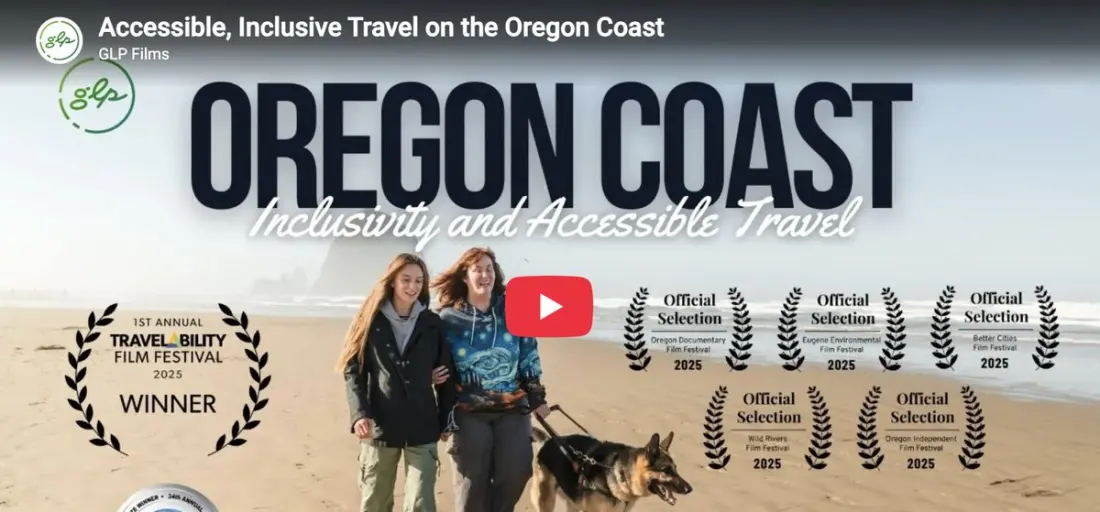
The Grand Prize went to "Accessible, Inclusive Travel on the Oregon Coast", produced by GLP Films in partnership with the Oregon Coast Visitors Association. The film showcases how the region is reworking the classic beach holiday for everyone: wheelchair-friendly beach access points, accessible trails, and thoughtful design in the coastal towns themselves. It's a practical portrait of a destination that decided inclusion should be baked in rather than bolted on.
The rest of the winning slate is genuinely global. A judging panel that included figures from Sundance and Cannes selected stories ranging from destination-led accessibility initiatives to first-person accounts of navigating travel barriers, filmed everywhere from India to South Africa — including a look at what's billed as the world's first truly accessible luxury safari lodge.
Beyond the screen, the numbers behind the festival explain why this platform matters. In the US, roughly one in six people lives with a significant disability; the WHO puts the global figure at about 1.3 billion, or 16% of the population — a share set to climb as baby boomers age. And these are people who travel: the 2020 Open Doors Organization Market Study found 70% of disabled travellers had taken at least one trip, spending $58 billion in the US alone, a 339% jump since 2015. Needs vary widely too, spanning mobility, hearing and vision impairments plus cognitive, sensory and other challenges that are often invisible.
TravelAbility's argument is that destinations largely don't know how to build inclusive travel into their offer, and that storytelling is a way to start the conversation before a traveller ever books. Screening these films where millions of flyers are literally planning their next trips is a clever bit of placement — and a signal to airlines, hotels and tourism boards that the accessible market is underserved rather than niche.
For travellers, the takeaway is twofold. First, you can now watch all ten winning films on United flights with seatback screens, which is a low-effort way to research accessible destinations. Second, the Oregon Coast is a standout case study worth considering for an accessible US trip, with its ongoing investment in inclusive beaches, trails and town infrastructure. If airlines keep commissioning and streaming this kind of content, expect more destinations to compete for these travellers — which is exactly the point.
Credit: Adventure Travel News